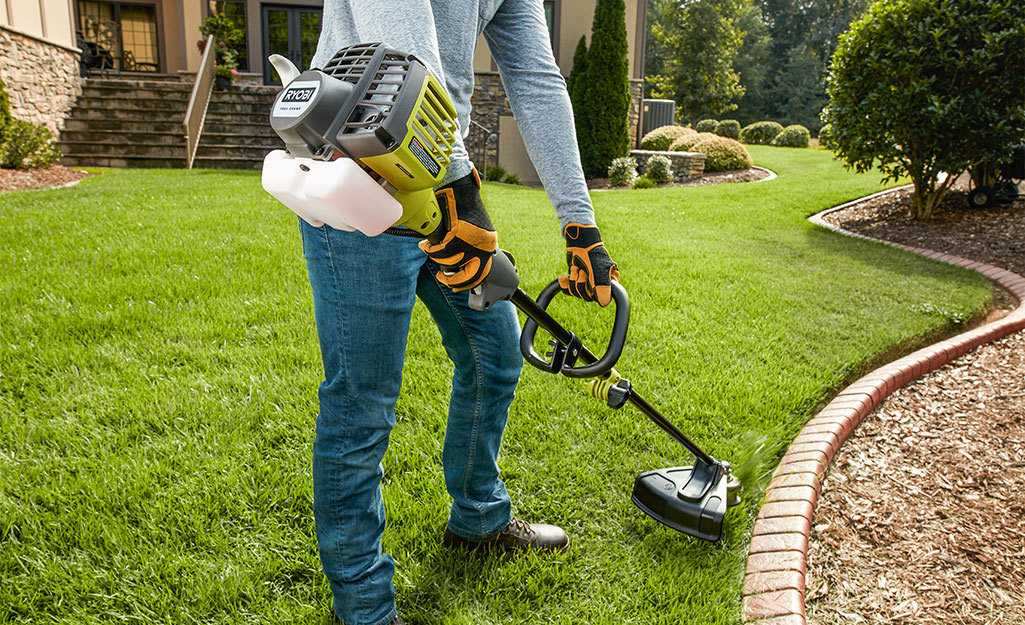
To achieve perfectly crisp lawn edges, use a edging tool or a trimmer along the border of your lawn. Start by defining a clean line from the straight or curved edge, keeping your movements steady and precise. Regularly trimming these edges enhances the overall look of your yard, giving it a tidy and professionally maintained appearance.
For beautifully edged lawns, use a lawn edger or string trimmer for clean, sharp borders. Maintain consistency by trimming every week or two, and always work from a stable position to ensure even lines.
Showing off a neat, manicured lawn is easier than you think! If you want sharp, clean edges that elevate your yard’s appearance, start with the right tools—like an edging hoe or a string trimmer—and follow a steady, deliberate motion. Regular maintenance keeps your lawn looking sharp and inviting.

How to Mow the Edges of a Lawn
Understanding the Importance of Edging
Keeping your lawn edges well-maintained makes your yard look neat and attractive. Edging creates a clean boundary between the grass and flower beds, walkways, or driveways. When edges are tidy, your garden appears more organized and inviting.
Tools Needed for Edging Your Lawn
Having the right tools makes edging easier and more effective. Common tools include a string trimmer, edging shears, a manual lawn edger, or a power edger. Choose a tool based on your lawn size and personal comfort.
Preparing Your Lawn for Edging
Before you start edging, mow your lawn to an even height. Clear away any debris, rocks, or sticks around the edges. This preparation helps you see clearly and prevents damage to your tools.
How to Use a String Trimmer for Edging
A string trimmer is a versatile tool for edging small to medium lawns. Start by marking the boundary with spray paint if needed. Hold the trimmer at a 30 to 45-degree angle to the ground for a clean cut. Walk along the edge slowly, keeping the trimmer steady.
Tips for Using a String Trimmer Effectively
- Ensure the string is fresh and at the right length for clean cuts.
- Move the trimmer in a smooth, continuous motion.
- Be cautious around flower beds and delicate plants.
Using an Edging Shears or Manual Lawn Edger
Manual tools give precision and control, especially for small or detailed edges. Position the edger at the boundary, then push it into the soil, following the curve or straight line you want to create. Use consistent pressure for a uniform edge.
Benefits of Manual Edging Tools
- More control over the cut
- Less noise and vibration compared to power tools
- Affordable and easy to store
Power Edgers for Larger Lawns
Power edgers are ideal for big lawns or thick grass. They cut through tough edges quickly. Adjust the blade depth to avoid cutting too deeply into the soil or plant roots.
Tips for Using a Power Edger Safely
- Wear safety goggles and gloves for protection.
- Keep a firm grip on the handle during operation.
- Go slowly and steadily to maintain control.
Creating a Natural Look with Curved Edges
Curved edges soften the lines of your lawn, giving a more natural appearance. Use flexible tools like a garden hose or flexible edging stick to map out curves before cutting. Take your time to follow the curve precisely.
Advantages of Curved Edges
- Enhance the aesthetic appeal of your yard
- Reduce the chance of soil erosion along sharp corners
- Provide a more organic feel to your landscape
Maintaining Edges for Long-Lasting Results
Regular maintenance keeps edges sharp and tidy. Re-edging every few weeks prevents grass from creeping into unwanted areas. Use a edging tool or trimmer for touch-ups to keep boundaries crisp.
Best Practices for Edge Maintenance
- Trim edges after mowing for a clean look
- Remove any grass or weeds that grow over the boundary
- Check for uneven areas and re-cut as needed
Dealing with Difficult Edges
Some boundaries are more challenging, like those near slopes or uneven ground. Use a flexible or adjustable edger to adapt to contours. Take extra care when working on slopes to avoid slips or injuries.
Tips for Safe Edging on Slopes
- Work slowly and steadily
- Wear non-slip footwear
- Ensure your equipment is in good condition
Related Topics to Enhance Your Lawn Care
Apart from edging, maintaining your lawn involves proper mowing, watering, and fertilizing. Edging complements these habits by giving your yard a polished appearance. Consider aerating and dethatching your lawn for even better results.
Additional Tips for Lawn Edging Success
- Edge when the grass is dry for cleaner cuts
- Adjust blade height to avoid scalping or damaging roots
- Remove debris between edging sessions to prevent clogs
Eco-Friendly Edging Options
If you prefer an environmentally friendly approach, consider manual tools or solar-powered electric edgers. These options reduce noise and emissions while still delivering great results.
Final Thoughts on How to Mow the Edges of a Lawn
Consistent, careful edging makes your lawn stand out and shows off your yard’s beauty. Use the right tools, take your time, and maintain your edges regularly. This way, your lawn will look tidy and inviting all year round.
5 Tips to Edge a Lawn with a String Trimmer Like a Pro
Frequently Asked Questions
What tools are best suited for trimming the edges of a lawn?
The ideal tools for edging a lawn include manual edgers, string trimmers, and dedicated edging shears. Manual edgers provide precise control for clean cuts along sidewalks and flower beds. String trimmers, especially those with a straight shaft, are versatile and can quickly shape uneven edges. Edging shears are useful for small areas or detailed work. Choose tools based on the size of your yard and the level of detail you prefer.
How can I ensure a straight and clean edge when mowing the lawn?
To achieve straight and neat edges, mark a guideline using stakes and string or a garden hose stretched along the desired edge. Use this as a visual reference while trimming or mowing. Move slowly and steadily, keeping the tool or mower aligned with the guideline. Take your time, especially in tricky corners, to maintain consistency and precision throughout the process.
What techniques can I apply to neatly edge around curved or irregular borders?
For curved or uneven edges, use a handheld edging tool or a string trimmer with a guide. Start by following the natural shape of the border, moving smoothly without rushing. For tighter curves, consider making small, controlled cuts rather than attempting to follow the curve in one continuous motion. Adjust your angle as needed to keep the cut clean and consistent with the rest of the border.
How often should I mow the edges to maintain a tidy appearance?
Regular trimming every one to two weeks keeps the edges looking sharp and prevents overgrowth. Depending on the grass type and growth rate, more frequent trimming might be necessary during peak growing seasons. Consistent maintenance helps avoid overgrown borders and reduces the effort needed for each session.
Are there any safety tips I should follow when edging my lawn?
Always wear protective gear such as safety glasses and gloves to shield yourself from debris and sharp blades. Keep your hands and feet clear of moving parts and unplug or switch off power tools when adjusting or not in use. Work slowly and attentively, especially around hard surfaces, plants, or other obstacles, to avoid accidents or damage to your yard.
Final Thoughts
Contouring the edges of your lawn enhances its overall appearance and neatness. Use a garden edger or a string trimmer to get precise, clean lines. Move slowly along the border to avoid uneven cuts.
Regularly maintain your tools for the best results and safety. Focus on steady, deliberate movements to achieve sharp, crisp edges.
In conclusion, knowing how to mow the edges of a lawn helps create a polished look. Practice consistently, and your lawn will always look well-kept.