To create stunning lawn patterns, start by choosing a design you love, like classic stripes or intricate diamonds, and use a lawn roller to set the pattern firmly. Mow in straight lines, overlapping slightly, and alternate directions each pass to achieve crisp, eye-catching designs. With patience and attention to detail, your lawn can become a beautiful masterpiece!
Creating eye-catching lawn patterns is easier than you might think. The key is planning your design, selecting the right mowing tools, and maintaining consistent mowing techniques. By focusing on simple shapes and alternating directions, you can transform a plain yard into a stunning visual display. This not only boosts your curb appeal but also makes lawn maintenance more fun and rewarding. Whether you’re preparing for a special occasion or just want to impress neighbors, learning how to mow patterns elevates your gardening game and turns everyday mowing into a creative activity.

How to Mow Patterns in Your Lawn
Mowing patterns can completely change the look of your lawn. They add a professional touch and make your yard stand out. Learning how to create these patterns is easier than you think and can be a fun way to personalize your outdoor space.
Understanding the Basics of Lawn Patterns
Before diving into different patterns, it’s helpful to understand what causes the visual effects. The key lies in how grass blades are bent and reflected. Flat cut grass shows a dull color, while bent grass reflects light differently, appearing brighter or darker depending on the angle.
Patterns are made by changing the direction of your mower each time you cut. Consistent turning ensures clean, sharp lines. Always plan your pattern in advance to avoid confusion and overlapping. The more uniform your mowing, the more professional the pattern looks.
Tools and Equipment Needed
- Push mower or riding mower: Choose one based on your lawn size and terrain.
- Measuring tape or flag markers: For aligning your patterns accurately.
- String or chalk line: Helpful for straight lines.
- Garden gloves: To protect your hands during trimming or edging.
Having the right tools makes creating patterns easier and more precise. A good-quality mower with adjustable height settings is especially helpful for consistent cuts.
Preparing Your Lawn for Pattern Cutting
Start by mowing your lawn to a uniform height. Remove any debris or obstacles that could interfere with straight lines. Mark the boundaries of your pattern area if necessary, especially for complex designs.
Check your mower blades to ensure they are sharp. Dull blades can tear grass instead of cutting it cleanly, which dulls your pattern’s appearance.
Choosing the Right Pattern Style
There are several popular patterns you can try, each providing a different aesthetic. Your choice depends on your lawn size, personal preference, and the time you want to invest.
Striped Pattern
This is one of the most common and easiest patterns to create. It involves mowing in parallel lines back and forth across your lawn. The alternating light and dark stripes give a neat, organized look.
Diagonal or Diamond Pattern
Make your stripes run diagonally across the lawn for a dynamic appearance. This pattern adds depth and dimension, making the yard look larger and more appealing.
Basket Weave Pattern
This pattern creates a woven effect by alternating directions in adjacent strips. It gives a textured, intricate look perfect for larger lawns.
Checkerboard Pattern
Similar to a chessboard, this pattern involves mowing rectangular sections in alternating directions. It’s a classic look often seen on sports fields and well-maintained grounds.
Step-by-Step Guide to Creating Your Lawn Pattern
Step 1: Plan Your Pattern
Decide on which pattern you want (stripes, diamonds, etc.) and plan the direction. Consider your lawn’s shape and size to ensure your pattern complements the space.
Step 2: Mark Borders and Guidelines
Use string or chalk to mark straight lines where your mower will turn. For complex designs, draw a layout on paper first.
Step 3: Mow the First Pass
Start at one end of your lawn and mow in your chosen direction. Keep your mower blades at a consistent height for uniformity. Use steady, straight movements for clean lines.
Step 4: Change Direction for Next Pass
Once the first pass is complete, turn your mower around and mow in the opposite direction. Overlap slightly to ensure no uncut grass remains. Maintain the same mower height.
Step 5: Repeat for Additional Rows
Continue alternating directions for each row, following your planned pattern. For complex designs, switch directions at right angles or diagonally.
Step 6: Enhance Your Pattern
Use edging tools or a trimmer to define edges and add extra accents. You can also add curves or shapes by carefully adjusting your mowing path.
Tips for Achieving Perfect Patterns
- Consistency is key: Keep your mower speed steady to avoid uneven lines.
- Use a roller: For stripes, some push mowers have a rear roller that aids in bending grass blades.
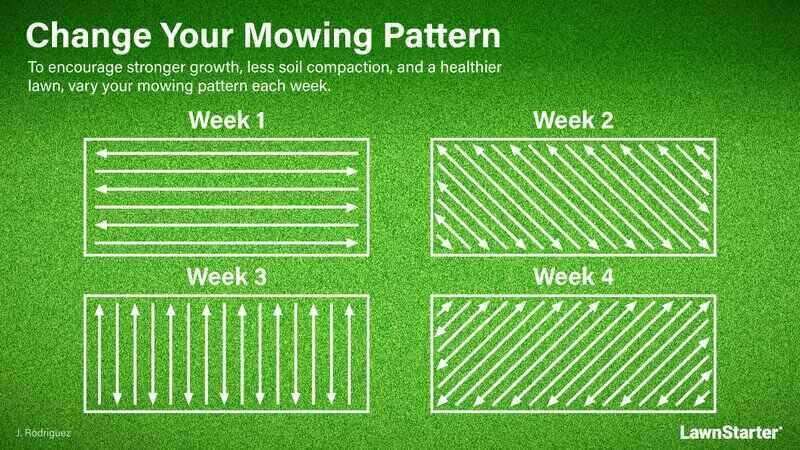
- Change mowing direction: Mow your lawn in different directions periodically to prevent grass from leaning permanently.
- Maintain your mower: Sharp blades and proper maintenance ensure clean cuts and crisp patterns.
- Be patient: Take your time to follow your guides closely, especially when creating intricate designs.
Maintaining Your Lawn Patterns
Regular mowing helps keep your patterns looking sharp and fresh. Avoid mowing when grass is wet, as it can cause uneven cuts and smudges.
Re-mow your lawn in the opposite direction periodically to prevent grass from leaning in one direction, which can dull the pattern’s contrast over time.
Advanced Pattern Techniques
Creating Curves and Circular Designs
Mastering curves requires slow, controlled movements and precise steering. Use a garden hose or spray paint to outline curves before mowing.
Incorporating Shapes and Symbols
For personalized touches, consider adding initials, symbols, or logos. Carefully plan and take your time to cut precise shapes using guiding tools or stencil templates.
Using Different Mower Attachments
Some mowers come with striping kits or side discharge options that help create specific effects. Experiment with these accessories to enrich your patterns.
Related Topics for Lawn Pattern Enthusiasts
- Choosing the right grass type: Some grasses hold bends better for stripes and patterns.
- Optimal mowing height for pattern visibility: Taller grass shows patterns more vividly.
- Lawn care tips: Fertilizing, watering, and aerating support healthy grass that responds well to patterns.
- Seasonal considerations: Patterns look best in spring and early summer when grass is lush and green.
Creating and maintaining lawn patterns takes patience and practice. Start with simple designs and gradually take on more complex shapes. With time, your yard will become a beautiful showcase of your mowing skills and personal style.
Lawn Striping – How To Achieve The Best Stripes In Your Lawn
Frequently Asked Questions
What techniques can I use to create symmetrical patterns in my lawn?
To create symmetrical patterns, plan your mowing lines carefully so they run parallel and evenly spaced across your lawn. Use a consistent width for your stripes, and alternate the direction of each pass to maintain symmetry. Overlap each pass slightly to prevent uncut grass and ensure clean, sharp lines. Regularly check your alignment with a string or a straight edge to keep your pattern precise.
How can I prevent trampling over my freshly mowed patterns?
Maintain a steady, deliberate pace while mowing to avoid stepping on already cut grass, which can ruin the pattern. Follow your designated lines closely and stay within your established paths. If your lawn is large, consider setting markers or using a guide to help stay aligned. Once you’ve finished, avoid walking across the pattern until the grass has settled, ensuring your design stays intact.
What equipment features help in creating different lawn patterns?
Using a mower with a roller or a striping kit enables you to create distinct patterns such as stripes, chevrons, or diamonds. These attachments bend and flatten the grass in specific directions, enhancing the visual appeal. Additionally, choosing a mower with adjustable cutting height allows you to maintain uniform grass length, which helps in achieving sharp and defined patterns.
Final Thoughts
In conclusion, how to mow patterns in your lawn enhances its visual appeal and showcases your landscaping skills. Select the pattern style you prefer, such as stripes or diamonds, and mow carefully along the lines to keep your pattern consistent. Keep your mower blades sharp and turn at the end of each row to maintain clean edges. Regular practice helps improve the precision and appearance of your lawn patterns. Following these simple steps ensures your lawn looks attractive and well-maintained.