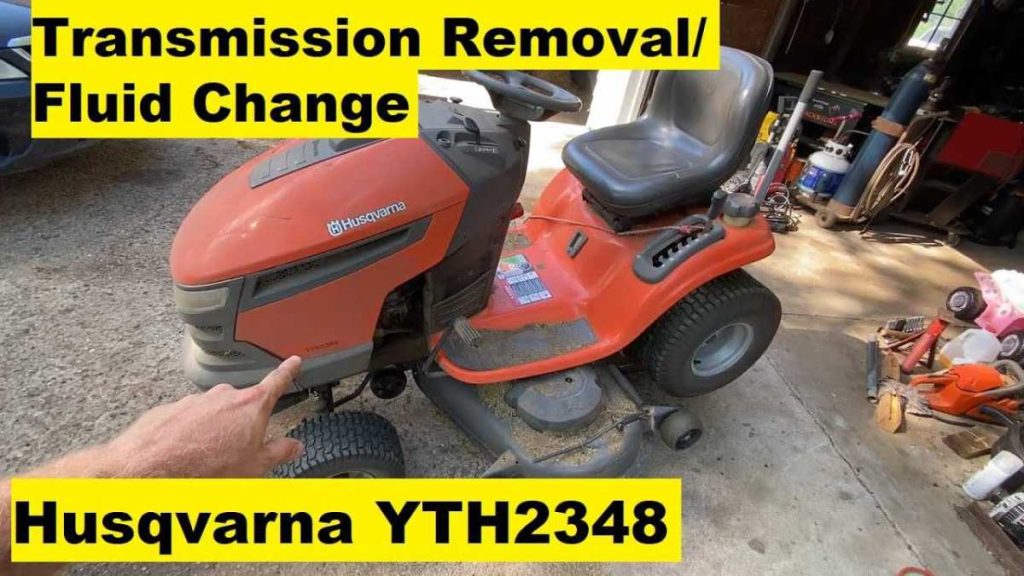
To quickly check the hydrostatic fluid in your Husqvarna lawn mower, start the engine, locate the oil check or fill plug, and inspect the fluid level with the dipstick or sight glass. Add fluid if necessary, ensuring it’s at the recommended level. Regular checks help keep your mower running smoothly and prevent costly repairs.
Maintaining proper hydrostatic fluid levels is essential for the efficient operation of your Husqvarna lawn mower. This fluid acts as the lifeblood of the transmission, enabling smooth movement and control. To check it, you’ll typically need to park the mower on a level surface, shut off the engine, and locate the designated fill or check point. Using the proper type of fluid and ensuring the level is within the recommended range will prolong the life of your mower and keep it performing at its best. It’s a simple task that, when done regularly, can save you money and prevent unexpected breakdowns.

How to Check Hydrostatic Fluid in Husqvarna Lawn Mower
Understanding the Importance of Hydrostatic Fluid
Hydrostatic fluid is vital for the proper functioning of your Husqvarna lawn mower. It enables smooth transmission of power between the engine and wheels, allowing for easy and efficient mowing. Without enough fluid, the mower may experience slipping or difficulty moving, which can lead to damage over time.
Locating the Hydrostatic Fluid Reservoir
The first step is to find where the hydrostatic fluid is stored. On most Husqvarna lawn mowers, the reservoir is typically positioned near the transmission system. It is usually a clear or semi-clear container with a cap labeled “hydrostatic fluid” or “transmission fluid.” Consult your mower’s user manual if you are unsure about its exact location.
Gathering Necessary Tools and Supplies
Before checking the fluid, gather the following tools:
- Clean rag or cloth
- Safety gloves
- Funnel (if needed for topping off fluid)
- Hydrostatic fluid specified for your model (refer to the manual)
Wearing gloves helps prevent skin contact with fluid, which can be irritating.
Preparing the Mower for Checking
Park your mower on a flat, level surface to ensure accurate readings. Turn off the engine and engage the parking brake to prevent movement. Allow the mower to cool down if it has been running to avoid burns or spills.
Checking the Fluid Level
Locate the reservoir’s sight window or dipstick. For models with a sight window, observe the fluid level; it should be within the marked range. If your mower uses a dipstick, pull it out, wipe it clean, reinsert it, and then remove it again to read the level accurately.
Interpreting the Fluid Level
Ensure the fluid is between the “Full” and “Add” marks or within the marked area on the sight window. If the fluid level is below the recommended mark, it may cause transmission issues. Do not overfill, as excess fluid can also lead to problems.
Checking the Condition of the Hydrostatic Fluid
Visually inspect the fluid for color and consistency. Fresh hydrostatic fluid is usually clear or light amber. If the fluid appears dark, cloudy, or has a burnt smell, it might be time for a change. Contaminated fluid can damage the transmission components and reduce efficiency.
How to Test Fluid Quality
Remove a small sample of the fluid and observe its texture. It should be free of debris or metal particles. If you find contaminants, consider draining and replacing the fluid completely.
Refilling the Hydrostatic Fluid
If the fluid level is low, add the recommended type of hydrostatic fluid through the fill port. Use a funnel to prevent spills. Pour slowly and check the level frequently to avoid overfilling. Always use the fluid specified by Husqvarna to ensure compatibility and optimal performance.
Steps for Proper Refilling
- Remove the fill cap carefully to avoid spilling
- Insert a funnel into the fill opening
- Pour the correct amount of hydrostatic fluid
- Reinstall the cap tightly
- Start the mower and move it forward and backward to circulate the fluid
- Turn off the engine and recheck the level, topping off if necessary
Flushing and Replacing Hydrostatic Fluid
Over time, fluid can become contaminated or degraded. It is recommended to flush the system and replace the fluid at regular intervals, typically once every 200 hours of use or annually.
How to Drain Old Fluid
Consult your manual for specific draining procedures. Usually, you will need to disconnect the transmission lines or drain plug, allow the fluid to drain into a container, and dispose of it responsibly. Be sure to clean the area thoroughly.
Refilling with Fresh Fluid
After draining, refill with new hydrostatic fluid following the previous refilling steps. Make sure the system is properly filled and free of air pockets.
Additional Tips for Maintaining Hydrostatic Fluid
Regular maintenance helps prolong the life of your mower. Check the fluid level before each mowing season or after every 25 hours of use. Keep the reservoir clean and free of debris. If you notice any transmission slipping or unusual noises, inspect the fluid immediately.
Common Problems Related to Hydrostatic Fluid
Ignoring proper fluid levels can cause transmission failure, loss of power, or uneven mowing. Low fluid levels may result in sluggish movement or overheating. Always address these issues promptly by checking and topping off or replacing the fluid.
Safety Precautions During Inspection
Ensure the mower is turned off and the blades have stopped turning. Wear gloves and protective glasses if handling fluid. Work in a well-ventilated area and dispose of used fluids responsibly to protect the environment.
Summary of Key Steps
| Step | Description |
|---|---|
| Locate the Reservoir | Find the hydrostatic fluid container on your mower. |
| Prepare the Mower | Park on flat ground, turn off engine, and cool down. |
| Check the Fluid Level | Use the sight window or dipstick to assess the level. |
| Assess Fluid Condition | Look for discoloration or contamination. |
| Refill if Necessary | Add specified hydrostatic fluid carefully. |
| Perform Regular Maintenance | Check periodically, top off, and replace as recommended. |
Maintaining proper hydrostatic fluid levels and quality is essential for your Husqvarna lawn mower’s performance and longevity. Regular inspections and timely replacements keep the transmission functioning smoothly, ensuring an efficient mowing experience every time.
Transmission & Hydrostatic oil check on Gertie #vlog #farming #tractor #masseyferguson #maintenance
Frequently Asked Questions
What tools and materials do I need to check the hydrostatic fluid level in my Husqvarna lawn mower?
To check the hydrostatic fluid level, gather a clean funnel, a suitable type of hydraulic fluid recommended by the manufacturer, and a clean cloth or rag. You may also need a wrench or screwdriver to open the hydraulic reservoir cap if it’s secured. Having these tools ready ensures a smooth inspection process.
Where is the hydrostatic fluid reservoir located on a Husqvarna lawn mower?
The reservoir for the hydrostatic fluid is typically located near the transmission system underneath the mower deck. Refer to your mower’s manual to identify the exact location, as it may vary depending on the model. Usually, the reservoir is accessible from the side or rear of the mower, behind panels or covers that can be removed easily.
How can I safely check the hydrostatic fluid level without causing damage?
Park the mower on a level surface and turn off the engine. Allow the hydraulic system to cool down if it has been running. Open the reservoir cap carefully and check the fluid level against the marked indicators. Avoid overfilling to prevent damage. Use a clean funnel to add fluid if needed, and always refer to the manufacturer’s specifications for the correct type and amount of hydraulic fluid.
What steps should I follow if the hydrostatic fluid looks dirty or contaminated?
If the fluid appears dark, cloudy, or has debris, it’s best to replace it. Drain the old fluid from the reservoir carefully, clean the reservoir with a suitable cleaner, and refill with fresh hydraulic fluid. Regularly inspecting and maintaining clean fluid helps keep the transmission operating smoothly and extends its lifespan.
How often should I check the hydrostatic fluid levels in my Husqvarna lawn mower?
It’s advisable to check the hydrostatic fluid level at the start of each mowing season and after every few hours of operation during the season. Additionally, inspect the fluid if you notice any unusual noises, slower transmission response, or difficulty steering. Regular checks prevent potential issues and ensure optimal mower performance.
Final Thoughts
Checking hydrostatic fluid in your Husqvarna lawn mower is simple and essential for optimal performance. Start by parking the mower on a flat surface and turning off the engine. Locate the fluid reservoir and ensure the mower is cool before removing the cap.
Inspect the fluid level and add more if necessary, using the recommended type. Regular checks prevent damage and keep the mower running smoothly. How to check hydrostatic fluid in husqvarna lawn mower requires a quick visual inspection, which helps maintain the machine’s longevity and efficiency.