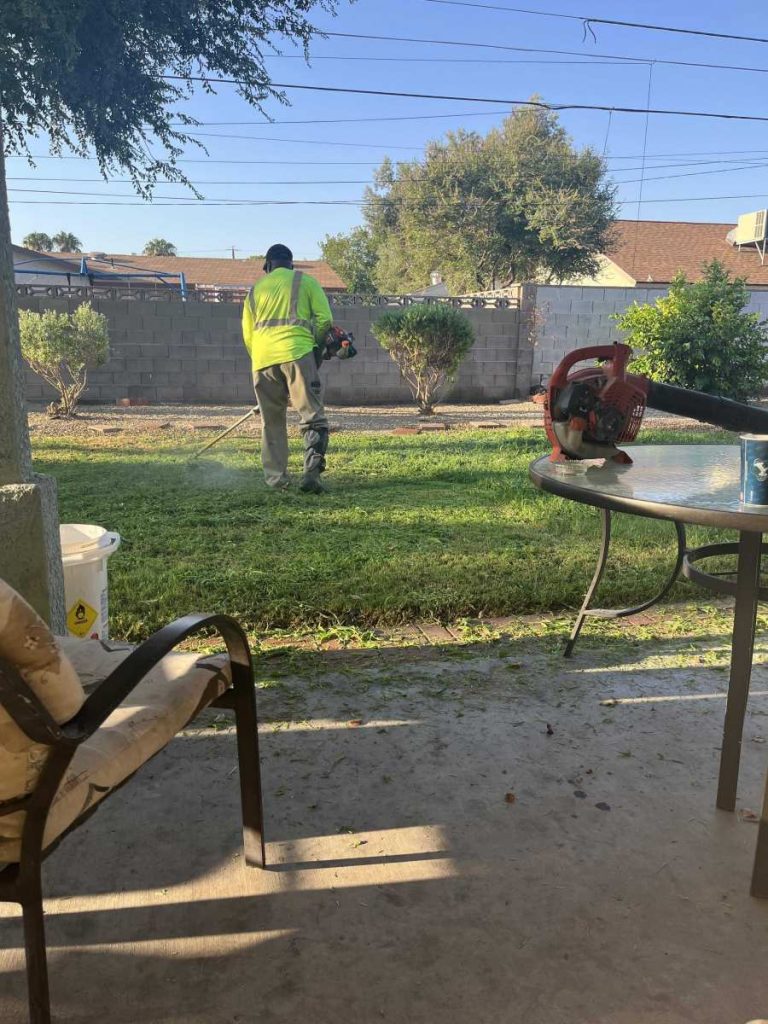
To mow your lawn with a weed wacker effectively, start by selecting the appropriate blade or guard, then use smooth, overlapping motions to trim grass evenly. Keep the trimmer’s guard close to the ground without digging in, and move slowly to avoid missed patches or uneven cuts. For best results, trim along edges first and then fill in the middle, always paying attention to safety.
Using a weed wacker to mow your lawn might seem unconventional, but it can be a handy solution for small or uneven patches, or when you don’t have a traditional mower available. Essentially, it’s about controlling the tool carefully and methodically to achieve a tidy, even look. This approach works well if you’re in a hurry or dealing with tricky terrain, but it requires patience and proper technique to avoid damage or uneven trimming.
If you’re wondering how to get your lawn looking neat with a weed wacker, don’t worry—just follow a few simple steps: choose the right attachments, set your trimmer to the correct height, and use steady, sweeping motions. With a little practice, you’ll be surprised how well it works for yard maintenance, turning a normally handheld tool into an effective lawn care device.

How to Mow Lawn with Weed Wacker
Using a weed wacker to mow your lawn can be a practical solution for trimming difficult spots or maintaining small grassy areas. It is important to understand the proper way to use this tool so that your lawn looks neat and healthy. In this guide, we will explore the essential steps and tips to help you mow your lawn effectively with a weed wacker.
Understanding Your Weed Wacker
Before you start mowing, it is important to know the different types of weed wackers available. There are mainly two types: gas-powered and electric corded or battery-powered. Each type has its own advantages and handling techniques.
Gas-Powered vs. Electric Weed Wackers
- Gas-powered weed wackers are more powerful and suitable for larger yards or thicker grass.
- Electric weed wackers are lighter, quieter, and easier to start, making them ideal for small gardens.
Key Parts of a Weed Wacker
| Part | Description |
|---|---|
| Cutting Head | The part with the string or blade that trims the grass. |
| Motor | Provides power to rotate the cutting head. |
| Handle | Used to grip and control the tool during operation. |
| Shaft | Connects the motor to the cutting head and can be straight or curved. |
Preparing Your Lawn and Equipment
Before mowing, clear the area of debris like sticks, rocks, and toys. This prevents damage and safety hazards during trimming. Also, inspect and ensure your weed wacker is in good condition, with sharp string and functional parts.
Safety First
- Wear safety goggles or glasses to protect your eyes from flying debris.
- Use sturdy gloves to improve grip and protect your hands.
- Wear closed-toe shoes and long pants to protect your skin.
- Check the area for pets and children before starting.
Proper Technique for Mowing with a Weed Wacker
Using the right technique will lead to a cleaner cut and reduce fatigue. Hold the weed wacker firmly with both hands, keeping your arms slightly bent for better control.
Holding the Weed Wacker
Maintain a comfortable grip with hands positioned on the handles. Keep the cutting head parallel to the ground for an even trim.
Controlling Speed and Movement
Let the tool do the work; avoid forcing it through tall grass. Move at a steady, controlled pace to achieve uniform results. Use slow, deliberate motions around obstacles and edges.
Guidelines for Mowing Different Areas
Flat Open Areas
For large, flat sections, use sweeping motions in an overlapping pattern. Start from one side and work across the area for an even cut.
Edges and Borders
Use the weed wacker to trim along fences, flower beds, and sidewalks. Hold the tool at an angle to get close to edges without damaging plants.
Hard-to-Reach Spots
For corners or tight spaces, maneuver the tool carefully. Consider attaching a 90-degree attachment if available for better access.
Maintaining Your Weed Wacker During Lawn Mowing
Regular maintenance ensures your weed wacker performs efficiently and lasts longer. Clean the cutting head regularly to remove grass clippings and dirt.
String Replacement and Adjustment
- Replace the string when it becomes too short or worn down.
- Follow the manufacturer’s instructions for winding new string.
- Adjust the string length for optimal cutting performance.
Checking and Replacing the Line
Use the recommended line type and diameter specified by the manufacturer for best results. Always wear gloves when handling replacement line.
Safety Tips During Lawn Mowing
- Start the tool on a flat surface, ensuring it is stable.
- Keep the cord away from the cutting line when using electric models.
- Avoid overreaching or working on unstable ground.
- Turn off the weed wacker and disconnect power when clearing jams or performing maintenance.
Environmental Considerations and Best Practices
Using a weed wacker responsibly can minimize your environmental impact. Opt for electric models when possible to reduce emissions. Also, avoid trimming during windy days to prevent debris from flying into neighbors’ yards.
Mulching and Grass Disposal
If your weed wacker has the mulching feature, use it to recycle grass clippings back into the soil. Otherwise, gather trimmings and dispose of them properly or compost them for garden use.
Additional Tips for a Perfect Lawn Finish
To enhance your lawn’s appearance, combine weed wacker trimming with mowing and edging. Maintain a regular schedule to keep your yard neat and healthy.
Using Extensions and Attachments
- Attach a different blade or brush for tougher weeds or dense grass.
- Use extension poles for higher or hard-to-reach areas.
- Ensure all attachments are properly installed and balanced.
Storing Your Equipment Properly
Clean your weed wacker after use and store it in a dry, safe place. Remove the battery or fuel for long-term storage to preserve performance.
Learning how to mow lawn with a weed wacker effectively takes practice, but with the right tools and techniques, you can achieve a well-maintained yard. Remember to prioritize safety and regular maintenance for the best results. With consistent effort, your lawn will look tidy and inviting all season long.
HOW TO MOW LAWN USING WEED WACKER/Whipper Snipper
Frequently Asked Questions
How can I prepare my weed wacker for mowing my lawn effectively?
Before mowing, check that the weed wacker’s string or blade is in good condition and properly attached. Ensure the battery is fully charged or the cord is securely connected if using an electric model. Clear the lawn of debris, sticks, and rocks to prevent damage and ensure safety. Adjust the trimmer’s head to an appropriate height to make mowing easier and more even.
What techniques should I use to get an even cut with a weed wacker?
Hold the weed wacker with both hands and keep it at a consistent height above the ground. Use smooth, overlapping motions to cover each section thoroughly. Move at a steady pace, avoiding rushing, to maintain an even cut. For taller grass, make multiple passes to gradually reduce the height and achieve a level finish.
How do I handle edges and tricky corners with a weed wacker?
Use the edge of the weed wacker’s string or blade to carefully trim along borders, sidewalks, and garden beds. For corners, rotate the tool to follow the shape and maintain control. Take your time in tight spots to avoid damaging plants or structures, and consider using a garden shear for precise edging if needed.
What safety precautions should I take when mowing with a weed wacker?
Wear protective gear such as safety glasses, gloves, and sturdy footwear. Keep bystanders at a safe distance while operating the tool. Always check for hidden obstacles or fragile plants before starting, and turn off the weed wacker before adjusting the string or blade. Be mindful of your surroundings and avoid mowing on wet or uneven ground.
How often should I mow my lawn with a weed wacker to maintain a neat appearance?
Depending on grass growth, mowing once a week often suffices to keep your lawn tidy. During peak growing seasons, you might need to mow more frequently. Regular trimming helps prevent overgrown grass and promotes healthy growth. Adjust your mowing schedule based on how quickly your grass grows and the desired lawn height.
Final Thoughts
To mow lawn with weed wacker effectively, start by choosing the right blade and setting the correct height. Hold the tool steadily and move in even, overlapping passes for a clean cut. Keep the trimmer moving smoothly to avoid gouging the grass.
Adjust the speed based on the grass height and density, ensuring even coverage. Pay attention to edges and hard-to-reach spots to maintain a professional look. Regularly inspect the line or blade for wear and replace when necessary.
In conclusion, how to mow lawn with weed wacker involves selecting appropriate settings, maintaining consistent movement, and paying attention to details. These steps enable a neat, healthy lawn with minimal effort.