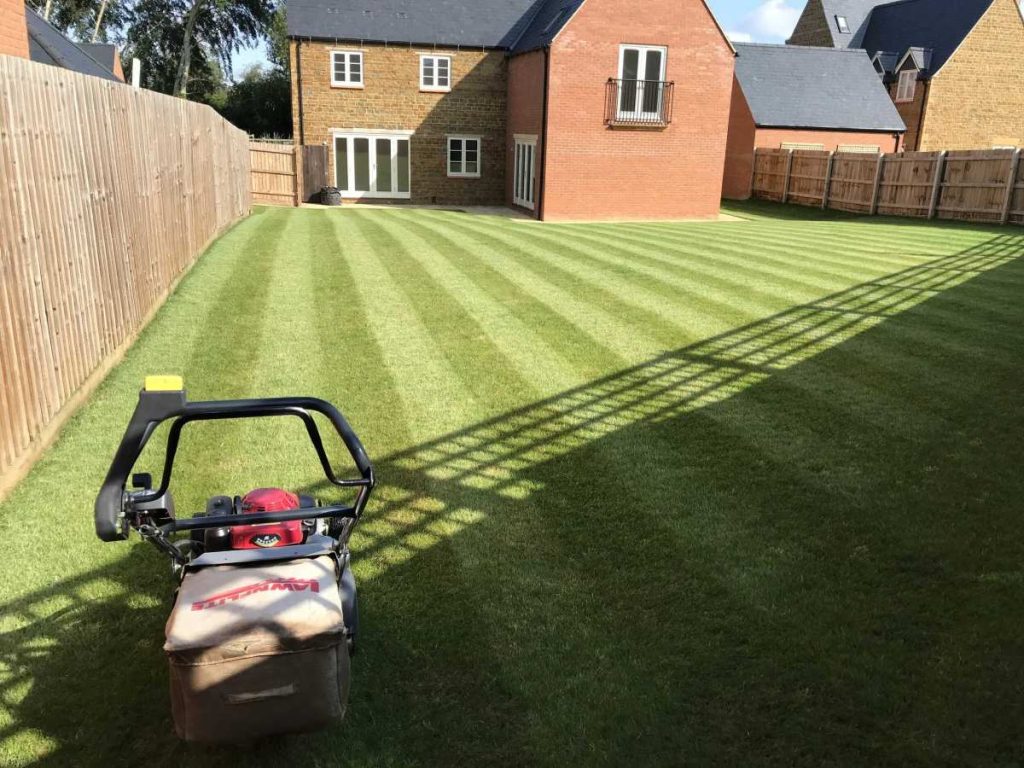
To mow a lawn professionally, start by setting your mower to the correct height, work in neat, overlapping passes, and pay attention to the grass health and clippings. Trim edges carefully and regularly inspect your equipment to ensure optimal performance. Consistency and attention to detail are key to achieving a sleek, professional-looking lawn.
A professional lawn is all about precision and consistency. Begin by preparing your equipment, setting the right cutting height, and planning your mowing pattern. Regular maintenance and attention to detail will help you create a lush, uniform yard that looks like it was done by a pro.
Getting a perfectly manicured lawn isn’t just about cutting grass; it’s about creating a balanced, healthy, and visually appealing outdoor space. With a few key techniques—like choosing the right mower height, working in methodical patterns, and maintaining your tools—you can achieve professional results every time. Whether you’re a homeowner wanting a golf-course finish or a budding landscaper, mastering these tips will elevate your lawn mowing game and make your yard the envy of the neighborhood.

How to Mow a Lawn Professionally: A Complete Guide
Understanding the Importance of Proper Lawn Maintenance
Maintaining a lush, healthy lawn requires careful mowing practices. Proper mowing encourages grass growth, prevents disease, and keeps your yard looking neat. It is not just about cutting the grass but doing so correctly to promote the best possible turf.
Choosing the Right Equipment for Professional Mowing
Using the right mower is crucial for a professional finish. Push mowers, riding mowers, and zero-turn mowers each serve different lawn sizes and types. Select a mower with sharp blades and adjustable height settings for optimal results.
Selecting the Correct Mower Type
- Push Mowers: Ideal for small to medium lawns. They offer precision and control.
- Riding Mowers: Suitable for larger properties, providing comfort and efficiency.
- Zero-turn Mowers: Best for large, complex landscapes with multiple obstacles.
Maintenance of Equipment
Regularly sharpening blades enhances cut quality and prevents tearing grass. Check oil levels and clean filters to ensure mower longevity and performance.
Preparing Your Lawn Before Mowing
Preparation steps set the foundation for a professional mow. Start by inspecting the grass, removing debris, and ensuring the lawn is dry. Wet grass can clog the mower and lead to uneven cuts.
Assessing the Grass Height and Condition
Measure your grass to determine its current height. Ideal mowing height varies by grass type, but generally, it is best to cut no more than one-third of the total height at a time.
Clearing Debris and Obstacles
Remove sticks, stones, toys, and other objects from the lawn. This prevents damage to the mower blades and ensures safety during operation.
Setting the Correct Mowing Height
Adjusting the mower height is vital for healthy grass. Different grass types thrive at various heights, typically ranging from 1 to 3 inches. Consult grass-specific guidelines for best results.
How to Adjust Mower Height
Most mowers have a height adjustment lever or dial. Set the blades just above the desired height, and double-check before mowing.
Why Mowing at the Right Height Matters
Maintaining the correct height promotes deep root growth, reduces weed invasion, and improves drought tolerance.
Implementing a Professional Mowing Technique
The way you mow impacts the lawn’s appearance and health. Use overlapping passes, change mowing directions regularly, and mow at the right times for best results.
Following a Consistent Pattern
Avoid mowing in the same direction every time. Switch between horizontal, vertical, and diagonal patterns to prevent soil compaction and grass wear.
Spacing and Overlap
Set your mower to a width that overlaps slightly with previous passes. This results in a clean, uniform cut.
Proper Mowing Speed
Move at a steady pace, not rushing. Fast mowing can lead to uneven cuts and missed patches.
Dealing with Different Lawn Conditions
Every lawn has unique needs based on grass type, weather, and terrain. Adapting your mowing approach ensures sustained health and appearance.
Mowing Wet or Damp Grass
Avoid cutting wet grass, as it can clog the mower and cause uneven cuts. If necessary, mow lightly and wait for the grass to dry.
Handling Thick or Overgrown Grass
For tall or thick grass, mow in multiple passes. Raise the mower height initially, then gradually cut lower with each pass.
Managing Sloped and Uneven Terrain
Mow across the slope rather than up and down to prevent slipping. Use a mower with good traction and avoid mowing on very steep inclines.
Post-Mowing Care and Lawn Maintenance
After mowing, proper care keeps your lawn healthy and vibrant. Clear cuttings, water appropriately, and fertilize as needed.
Removing Grass Clippings
Leave clippings on the lawn if they are fine and decompose quickly, providing natural nutrients. For thick clippings, rake them away to prevent suffocation.
Watering and Fertilizing
Water the lawn after mowing to help grass recover. Apply fertilizer periodically to support growth and color.
Regular Lawn Checks
Inspect your yard for weeds, pests, or disease. Address issues early to maintain a professional looking lawn.
Tips for Maintaining a Beautiful and Healthy Lawn
Consistency is key to a professional-quality lawn. Establish a mowing schedule, and stick to it, adjusting for seasons and weather.
Best Mowing Frequency
Mow once a week during the growing season. Avoid cutting grass too short, which stresses the plants.
Seasonal Lawn Care
Adjust your mowing height and frequency according to seasonal changes. In winter, reduce mowing or stop altogether.
Additional Lawn Care Practices
Topdress with compost, aerate soil, and overseed to repair bare patches. All these steps support a healthy, lush lawn.
Related Topics in Lawn Care
| Topic | Description |
|---|---|
| Fertilization | Applying the right nutrients at the right time to promote growth. |
| Aeration | Creating small holes in the soil to improve air, water, and nutrient penetration. |
| Weed Control | Managing unwanted plants to keep the lawn tidy. |
| Irrigation | Proper watering techniques for healthy turf. |
Emphasizing Safety During Lawn Mowing
Always wear safety gear, such as goggles and closed shoes. Be cautious around slopes and obstacles to prevent accidents.
Proper Handling and Storage of Equipment
Store mowers in a dry place. Regularly check for worn parts and follow manufacturer instructions for safety.
Safety Tips for Mowing
Keep hands and feet away from blades. Turn off the mower before clearing jams or adjusting height.
By understanding these detailed steps and tips, you can achieve a professionally mowed lawn that looks great and stays healthy year-round. Proper equipment, preparation, technique, and maintenance all work together to produce results that make your yard stand out.
How to Mow a Lawn CORRECTLY
Frequently Asked Questions
How can I determine the best mowing height for my lawn?
To find the ideal mowing height, understand the type of grass on your lawn. For most grasses, keeping the height between 2.5 to 4 inches promotes healthy growth and prevents drought stress. Adjust your mower setting accordingly, and avoid cutting more than one-third of the grass height at a time to prevent stressing the plants. Regularly measure the height of your grass to maintain consistency and ensure your lawn stays healthy and vibrant.
What is the proper technique for mowing to achieve a professional look?
Use overlapping passes to create an even cut and alternate your mowing pattern each session to avoid compacting the soil. Keep your mower blades sharp to ensure clean cuts that minimize grass stress. Mow during cooler parts of the day, such as early morning or late afternoon, to reduce stress on the grass. Additionally, avoid mowing when the grass is wet, as this can lead to uneven cuts and clumping.
How should I handle edges and borders for a clean finish?
Use edging tools or a string trimmer along walkways, flower beds, and property borders to achieve sharp, clean lines. Before mowing, trim the edges to remove overgrowth, which makes the overall appearance neater. After mowing, go over the borders again for a crisp, professional finish. Regular maintenance of the edges also prevents grass from encroaching into unwanted areas and keeps your lawn looking tidy.
What maintenance steps can I take to keep my mower in top condition?
Clean the mower deck and blades regularly to prevent grass buildup, which can affect cutting performance. Sharpen the blades at least once a season or more often if you mow frequently. Change the oil and check the air filter periodically to ensure optimal engine function. Store your mower in a dry place during the off-season, and follow the manufacturer’s maintenance guidelines to extend its lifespan and ensure consistent mowing results.
How can I adapt my mowing routine during different weather conditions?
Adjust your mowing height to accommodate weather changes; raise the blades during hot, dry weather to provide shade to the roots and reduce stress. After heavy rain, wait until the grass is dry before mowing to prevent clumping and uneven cuts. In cooler weather, mow more frequently to prevent grass from growing too tall. Always monitor your lawn’s condition and adapt your routine to keep it healthy regardless of the weather.
Final Thoughts
To mow a lawn professionally, start by setting the blade height to suit the grass type. Use even, overlapping strokes to ensure uniform cutting. Adjust your pace to maintain precision and avoid scalping.
Choose the right mower for your lawn size and terrain, and always clear debris before starting. Keep the blades sharp to produce clean cuts and promote healthy growth.
In conclusion, knowing how to mow a lawn professionally involves proper blade height, consistent movement, and equipment choices. Applying these tips ensures a well-maintained, healthy lawn every time.