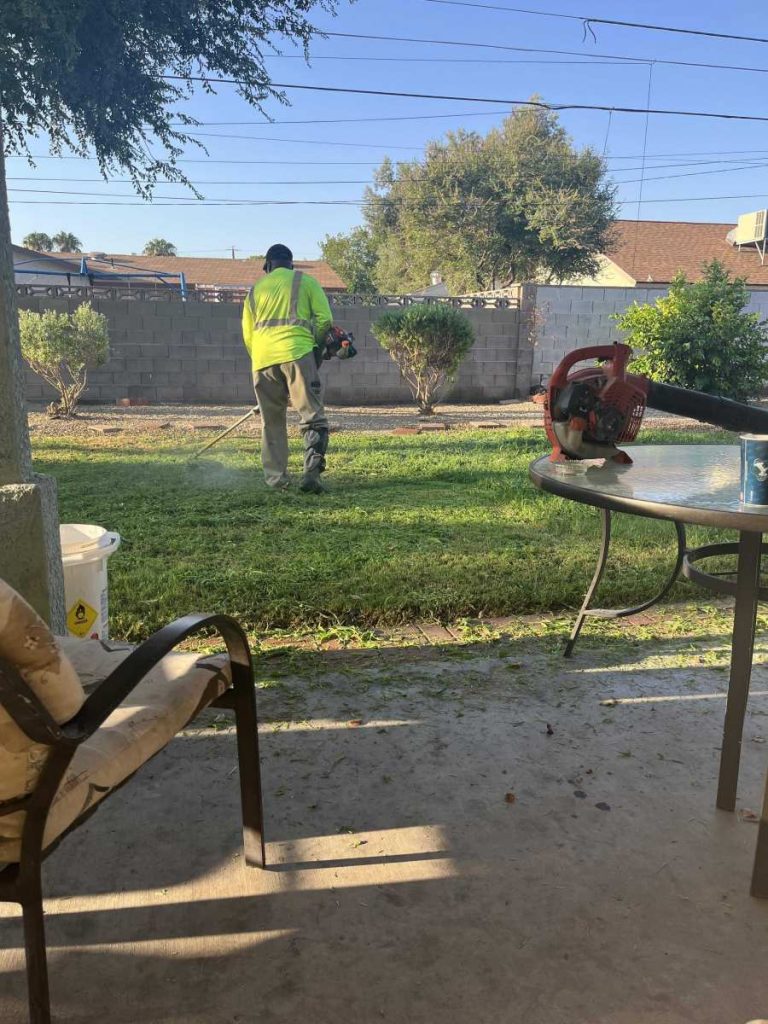
To mow a lawn with a weed wacker effectively, start by setting the trim height and moving systematically across your yard, ensuring even cuts. Keep the wacker steady, avoid forcing it into thick patches, and use a sweeping motion to get clean edges and avoid scalping the turf. Regularly check your cord or blade for wear and safety, and don protective gear for a smooth, safe mowing experience.
Mowing with a weed wacker is a quick way to tackle tricky spots and edges that a traditional mower might miss. By using the right technique and tools, you can achieve a neat, well-manicured lawn with ease. This method is especially useful for uneven terrain, tight corners, or overgrown areas where a mower can’t reach effectively.
If you’re looking to keep your lawn looking tidy without investing in a push mower, a weed wacker can be your best friend. Just switch it to the trimming mode, set the appropriate height, and move confidently across your yard. With practice, you’ll master the art of edging and tidying your lawn, giving it that fresh, manicured look effortlessly.

How to Mow a Lawn with a Weed Wacker
Mowing your lawn with a weed wacker can be a practical solution, especially for tricky areas and uneven terrain. This method allows you to trim grass where traditional mowers might struggle, like around flower beds, fences, and garden edges. With the right technique, a weed wacker can give your yard a clean, well-maintained look.
Understanding Your Weed Wacker
Before starting, it is important to know the type of weed wacker you have. There are mainly two kinds: gas-powered and electric.
Gas-Powered vs. Electric Weed Wackers
- Gas-powered weed wackers are generally more powerful. They are ideal for large yards and tough grass. They are heavier and noisier but offer longer run times.
- Electric weed wackers are lighter, quieter, and easier to handle. They are perfect for small to medium-sized gardens and lighter trimming tasks.
Check the manufacturer’s instructions to understand the specific features and safety precautions for your model. This knowledge helps you operate the tool efficiently and safely.
Preparing Your Equipment and Area
Proper preparation makes weed whacking easier and safer. Start by cleaning the tool and inspecting the line or blade for damage.
Tools and Supplies Needed
- Weed wacker with the correct type of line or blade
- Protective gloves, goggles, and hearing protection
- Measuring tape or string for marking edges
- Garden stakes or cones to mark boundaries
- Replacement lines or blades in case of wear
Preparing the Lawn Area
- Clear the area of debris, rocks, and sticks to prevent accidents or damage.
- Mark the edges of your lawn with stakes or string to maintain clean boundaries.
- Identify areas with different grass heights or terrain to plan your pattern.
Techniques for Mowing with a Weed Wacker
Using a weed wacker to mow the lawn requires specific techniques for a neat finish. Practice is key to developing control and accuracy.
Holding the Weed Wacker
Use both hands for balance. Keep a firm grip but avoid squeezing too tightly, which can cause fatigue. Maintain a comfortable stance with knees slightly bent and feet shoulder-width apart.
Adjusting the Line or Blade Length
The line should extend about 2 to 3 inches beyond the protective guard. Proper length ensures efficiency and safety. Replace or adjust as needed during the mowing process.
Starting the Weed Wacker
- Follow the manufacturer’s starting procedure, usually involving priming and throttle control.
- When starting a gas model, ensure it is on a flat surface and hold it firmly while pulling the cord.
- For electric models, simply press the start button after plugging in or charging.
Techniques for Leveling and Edging
Achieving a clean and level lawn involves consistent movement and precise edging. Take your time for a professional look.
Standard Mowing Path
- Begin at one edge of the lawn and work your way across in straight lines.
- Overlap each pass slightly to avoid missed patches.
- Keep the line or blade parallel to the ground for even trimming.
Creating Edges and Borders
- Use the tip of the line to gently trim along garden beds, sidewalks, and fences.
- Angle the tool slightly inward for a crisp edge.
- Go slowly around curves for smooth, rounded borders.
Dealing with Difficult Areas
Some parts of the lawn may be hard to reach. Use specific techniques to get these areas tidy and safe.
Trimming Around Flower Beds and Obstacles
Switch to the weed wacker’s tip for precise control. Move slowly and carefully to avoid damaging plants.
Handling Sloped or Uneven Terrain
Adjust your stance and angle of the tool accordingly. Use shorter strokes and work slowly to maintain control.
Safety Tips for Weed Wacking
Safety should always come first when operating a weed wacker. Follow these essential tips to prevent accidents.
Protective Gear
- Wear goggles to shield your eyes from debris.
- Use gloves to protect your hands from vibrations and cuts.
- Wear sturdy footwear to prevent slips and cuts.
- Use ear protection, especially with gas models, to guard against noise.
Operational Safety
- Keep a firm grip on the tool at all times.
- Never operate the weed wacker near children or pets.
- Switch off the machine when not in use or when moving to a new area.
- Be aware of your surroundings and avoid cutting near power lines or fragile structures.
Maintaining Your Weed Wacker for Best Performance
Proper maintenance extends the life of your tool and ensures it works effectively every time.
Cleaning After Use
Remove grass and debris from the line or blade and air vents. Wipe down the exterior with a damp cloth.
Replacing Lines or Blades
- Follow the manufacturer’s instructions for replacement.
- Use the recommended type and size of line or blade to prevent damage.
Regular Inspections and Repairs
- Check the cord, line, or blade for wear or damage before each use.
- Replace worn parts promptly to maintain safety and efficiency.
- Lubricate moving parts as instructed in the manual.
Additional Tips for a Perfect Lawn Trim
Consistency and patience are key to a well-manicured yard using a weed wacker.
Work in Good Lighting and Weather Conditions
Avoid trimming in windy or rainy weather to improve control and safety.
Schedule Regular Trims
Frequent trimming prevents overgrowth, making each session easier and quicker.
Consider Using a String Trimmer Attachment
Many weed wackers have attachments for edging or cutting thicker grass, offering versatility for different lawn tasks.
Using a weed wacker to mow your lawn is a versatile and efficient method, especially for tricky areas and detailed edging. By understanding your equipment, practicing proper techniques, and following safety guidelines, you can achieve a neat, attractive yard. Regular maintenance and strategic trimming help keep your lawn looking its best with less effort over time. With patience and care, this method can become a reliable part of your lawn care routine.
HOW TO MOW LAWN USING WEED WACKER/Whipper Snipper
Frequently Asked Questions
How can I prepare my outdoor space before using a weed wacker to mow my lawn?
Start by removing any large debris, rocks, or sticks from the lawn to prevent damage to the tool and ensure a clean cut. Trim overgrown weeds and tall grass to make the work easier and more efficient. Checking the area for low-hanging branches or wires also helps avoid accidents. Clear the space thoroughly so you can focus on even mowing and safety.
What techniques should I use to achieve an even cut when mowing a lawn with a weed wacker?
Hold the weed wacker at a consistent height above the ground, and move it slowly in smooth, overlapping strokes. Avoid forcing the tool through thick patches; instead, let the blade or string do the work. Maintain an even pace and angle to ensure uniform coverage, and overlap each pass slightly for a tidy, professional-looking result.
How do I handle obstacles like garden beds or pathways while using a weed wacker for lawn trimming?
Use the edge of the blade or string carefully around obstacles, trimming grass along borders and near structures. Maintain control of the tool to avoid damage to plants or surfaces. For tight corners and edges, switch to a smaller attachment or use a weed trimmer with a guard for precision. Take your time to ensure clean, accurate trims around hardscape features.
What safety precautions should I follow during this process?
Wear protective gear such as safety glasses, gloves, and sturdy footwear to guard against flying debris and accidental contact. Keep bystanders away from the work area. Never operate the weed wacker with loose clothing or long hair that can get caught. Ensure the tool is in good working condition and always turn it off before adjusting or clearing jams.
How can I maintain my weed wacker after mowing the lawn for longevity?
After use, clean off grass clippings and dirt from the tool, especially around the blade or string head. Check the cutting line or blade for wear and replace it if necessary. Store the weed wacker in a dry, sheltered place and regularly inspect the power cord or battery. Proper maintenance helps keep the tool functioning efficiently for future tasks.
Final Thoughts
To mow a lawn with a weed wacker, start by selecting the right blade and setting your trimmer to the appropriate height. Wear protective gear to stay safe throughout the task. Work in small sections, guiding the wacker evenly along the grass.
Adjust your grip and stance for better control, keeping the trimmer close to the ground. Pay attention to edges and hard-to-reach spots for a neat finish.
In conclusion, knowing how to mow a lawn with a weed wacker helps you maintain your yard efficiently. Focus on steady movement and safety, and your lawn will look great with minimal effort.