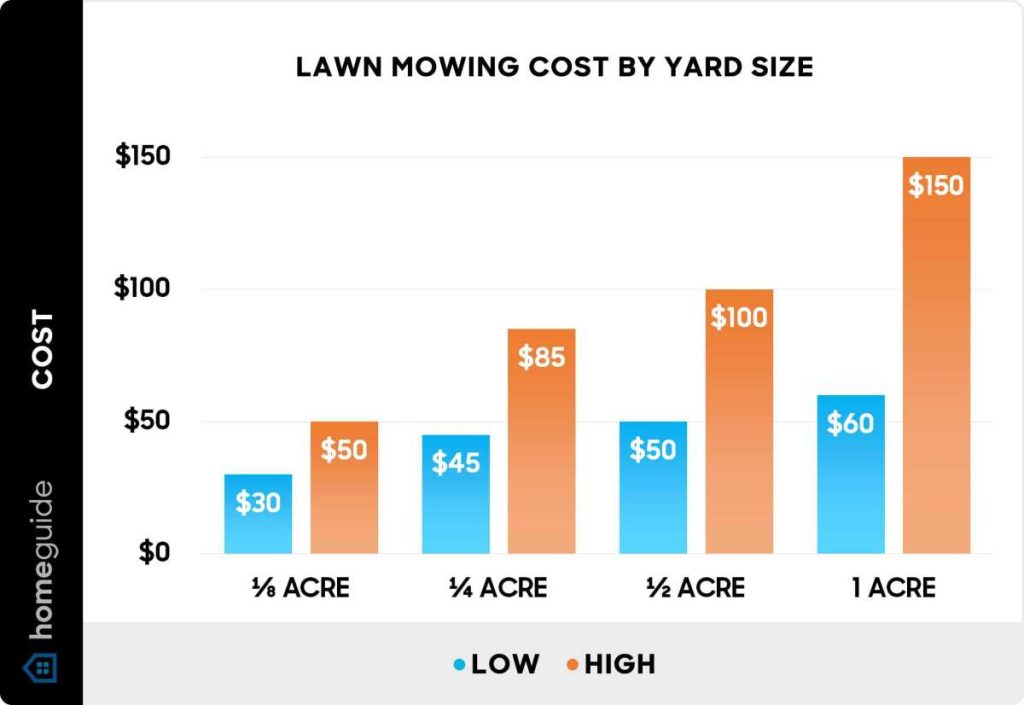
We typically charge between $30 and $80 for lawn mowing, depending on the size and complexity of your yard. Want a quick answer? Most lawn care services price their work based on lawn size, terrain, and the level of detail required, so it’s best to get a custom quote for accurate pricing.
If you’re wondering how much it costs to have your lawn mowed, you’re not alone. Many homeowners ask this question when planning their budgets for yard maintenance. The cost can vary quite a bit – smaller lawns might only cost around $30, while larger or more complicated properties could be $100 or more. Factors like lawn size, grass height, and whether additional services like edging are needed all influence the final price. Knowing what to expect can help you compare options and find a service that fits your budget without sacrificing quality. Whether you prefer hiring a professional or doing it yourself, understanding the typical pricing helps make better decisions for your yard care needs.

How much do you charge to mow lawns?
Understanding the Basic Lawn Mowing Pricing Structure
Pricing for lawn mowing varies depending on several factors. Most lawn care services set their rates based on the size of the yard, the complexity of the job, and local market prices. Knowing how to determine your rates helps you stay competitive and earn fairly for your work.
Flat-Rate vs. Per-Visit Pricing
Some lawn care providers charge a flat rate each visit, regardless of yard size. Others prefer a per-visit fee based on square footage or lawn complexity. Flat rates are simple for customers to understand, while pay-per-visit offers more flexibility for different yard types.
Factors Influencing Lawn Mowing Prices
Several elements influence how much you should charge. Yard size, terrain, grass height, and additional services like edging or trimming all affect the final price. Keeping these factors in mind ensures you set fair and profitable rates.
How Yard Size Affects Your Charges
Yard size is often the most significant factor in pricing lawn mowing. Smaller yards typically cost less, while larger properties take more time and resources.
Pricing for Small Yards (Up to 1/4 Acre)
For yards up to a quarter-acre, prices tend to range between $25 to $40 per visit. These are quick jobs that require less equipment and time.
Pricing for Medium Yards (1/4 to 1/2 Acre)
Yards in this range usually cost between $40 to $60. Longer mowing times and additional tasks can increase the price.
Pricing for Large Yards (Over 1/2 Acre)
Larger lawns may be charged from $60 to over $100. The extra effort, equipment, and time needed must be factored into your rate.
Additional Services and How They Affect the Cost
Offering extras can increase your earnings and provide value to customers.
Edging and Trimming
Adding edging or trimming around driveways and flower beds might cost an extra $10 to $30 per visit.
Leaf Removal and Debris Cleanup
These services are often charged separately, typically ranging from $30 to $100, depending on yard size and debris volume.
Seasonal Services
Services like fertilizing or aeration are separate from mowing, but bundling them can offer better deals to customers and increase your income.
Geographical Location and Its Impact on Lawn Mowing Prices
Prices differ widely based on location due to cost of living and local competition.
Urban Versus Rural Pricing
Urban areas often have higher prices, ranging from $40 to $80 per visit, because of higher overhead costs.
Regional Market Rates
In some regions, the average price may be lower or higher depending on local demand and competition. Always research your area’s typical rates.
Considering Yard Complexity and Terrain
Not all lawns are equal; some require more effort and time.
Hilly or Sloped Lawns
Steep terrain might add an extra $10 to $20 to your base price due to safety and difficulty.
Overgrown or Tall Grass
Yards with overgrown grass may cost more — sometimes an additional $20 to $50 — because of the extra work involved.
Obstacles and Landscaping Features
Lawns with ponds, trees, or flower beds require careful maneuvering, which can influence your pricing.
Calculating Your Lawn Mowing Price: A Sample Table
Here’s a quick example of how you might structure your charges:
| Yard Size | Base Price | Additional Services | Total Estimate |
|---|---|---|---|
| Up to 1/4 Acre | $30 | Edging + Trimming: $15 | $45 |
| 1/4 to 1/2 Acre | $50 | Leaf Cleanup: $30 | $80 |
| Over 1/2 Acre | $70 | Hilly Terrain: +$15 | $85 |
This example helps you decide your rates based on yard specifics and added services.
Pricing Strategies to Stay Competitive and Fair
To attract customers, consider offering discounts for regular service or bundling multiple jobs.
Bulk or Regular Service Discounts
Offering a 10% discount for ongoing weekly visits can build customer loyalty and ensure consistent income.
Seasonal Promotions
Promotions such as first-time customer discounts or holiday deals help increase your customer base.
Pricing Transparency
Always be clear about what is included in your price, helping to avoid misunderstandings and build trust.
Setting the right price to mow lawns involves understanding your costs, the yard’s specifics, and local competition. By considering yard size, terrain, added services, and regional rates, you can develop a pricing structure that is both fair and profitable. Remember to stay flexible and adjust your rates as needed to meet demand and ensure customer satisfaction.
HOW TO PRICE LAWN MOWING JOBS
Frequently Asked Questions
What factors influence the cost of lawn mowing services?
The price of lawn mowing depends on several factors, including the size of your yard, the complexity of the terrain, and the frequency of service. Larger lawns require more time and effort, which increases the overall cost. Additionally, properties with features such as landscaping, uneven ground, or obstacles may incur extra charges. Service providers also consider the type of mower used and any additional tasks involved, like edging or trimming.
Are there different pricing options for various lawn sizes?
Yes, many lawn care providers offer tiered pricing based on lawn size. Smaller lawns typically cost less, often set as a flat fee or per square foot. Medium-sized yards might have a standard rate, while large or commercial properties could require customized quotes. Some companies provide package deals for regular weekly or bi-weekly services, offering clients savings on ongoing maintenance.
Do seasonal or one-time mowing services have different prices?
Seasonal or one-time mowing services usually come with a different pricing structure compared to regular maintenance. One-time cuts may be priced higher per visit since they often involve a comprehensive job, especially if the grass has grown significantly. Seasonal packages can offer discounts for long-term commitments, reducing the per-visit cost and ensuring consistent lawn care throughout the year.
Is there a standard rate for mowing a typical residential lawn?
While rates vary by location and service provider, a typical residential lawn of about 1/4 to 1/2 acre usually costs between $30 and $50 per visit. Larger yards or those requiring special attention might cost more. It’s best to request quotes from local companies to get accurate pricing tailored to your property’s specific needs.
How can homeowners get an accurate estimate for lawn mowing services?
Homeowners should provide detailed information about their lawn, including its size, terrain features, and the scope of services needed. Contactting multiple providers to request detailed quotes and asking about any additional charges can help you compare prices effectively. Visiting the property for an on-site assessment may also lead to more precise estimates and better service recommendations.
Final Thoughts
The cost to mow lawns varies depending on size, location, and services offered. Many lawn care providers charge by the hour or flat rate per job.
To get a clear idea, compare quotes from local providers and consider what includes in each price.
How much do you charge to mow lawns? This question helps determine fair pricing that reflects the work involved.
Understanding your needs and market rates ensures you find a competitive, transparent price.