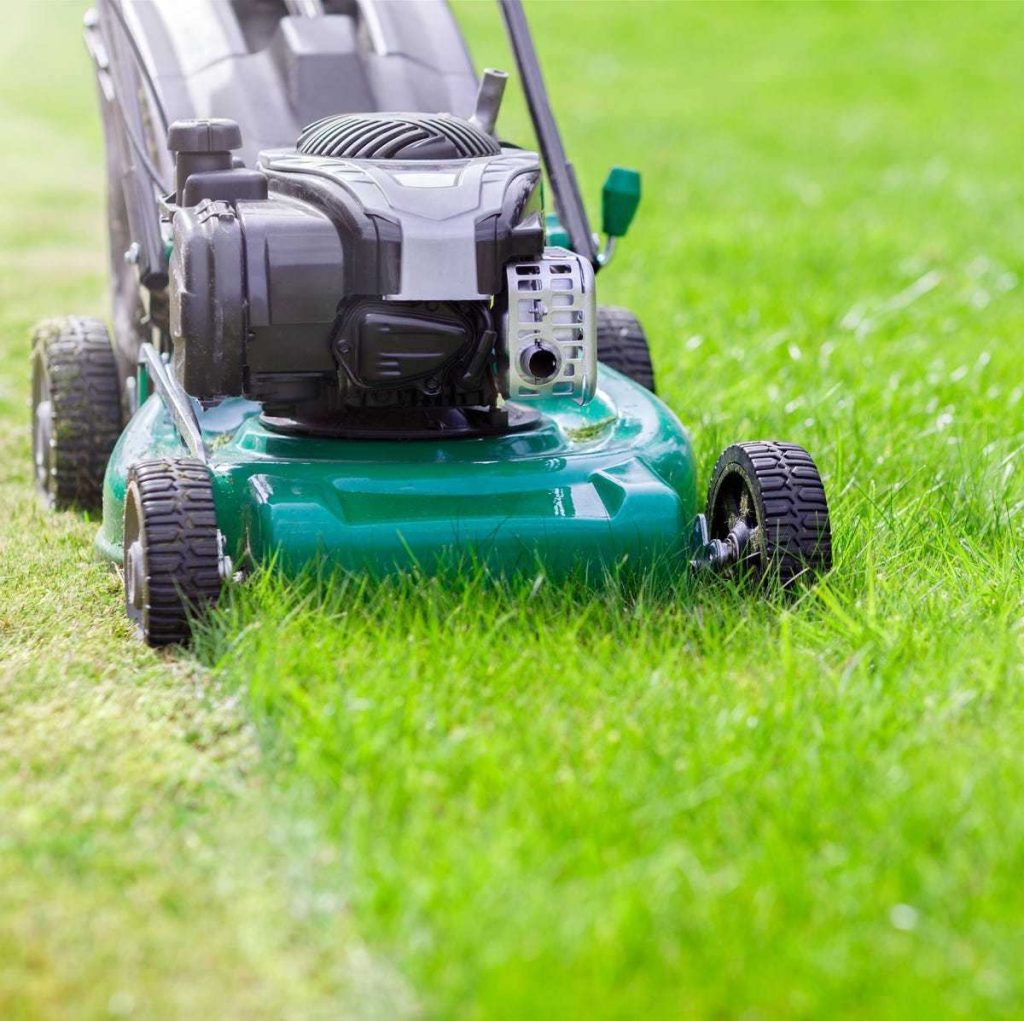
To mow your lawn for the first time smoothly, start by setting your mower to the correct height, clear the area of debris, and take slow, even passes across the grass. Keep the blades sharp and don’t rush—this will give you a clean cut and a healthy lawn.
Mowing your lawn for the first time can seem daunting, but with a few simple steps, you’ll be on your way to a beautifully maintained yard. The key is to prepare your tools, set the mower to the right height, and mow regularly to promote healthy grass growth. Remember to stay safe and enjoy the process as you transform your outdoor space.
Jumping into lawn care might feel overwhelming at first, but it’s easier than you think. Begin by understanding your grass type and the equipment needed, then follow a consistent mowing pattern. Starting with these basics will ensure your lawn stays lush, green, and inviting throughout the seasons.

How to Mow a Lawn for the First Time: A Complete Guide
Preparing Your Lawn Before Mowing
Before you start mowing, it’s essential to prepare your lawn properly. First, walk around your yard and identify any objects like sticks, stones, or toys that could damage the mower or cause injury. Clear these obstacles off the grass to avoid any accidents or equipment issues.
Next, check the weather forecast. It’s best to mow when the grass is dry because wet grass can clog your mower and lead to uneven cuts. Ideally, mow on a day when there’s no rain expected in the next 24 hours.
Additionally, inspect your mower to ensure it’s in good working condition. Check the oil levels, make sure the blades are sharp, and remove any debris stuck in the mower deck. A well-maintained mower makes for a cleaner cut and less hassle during mowing.
Selecting the Right Mower and Cutting Height
Choosing the correct mower depends on the size and type of your lawn. For small yards, a push mower is usually enough and easy to maneuver. Larger lawns might benefit from a riding mower or a lawn tractor to save time and effort.
The cutting height is critical for a healthy lawn. For most turfgrass types, leave the grass at around 2.5 to 3 inches high. Shorter grass may look neat but can stress the grass and lead to scalping, which damages the roots. Longer grass helps retain moisture and discourages weeds.
Many mowers come with adjustable height settings. Use the height adjustment lever to set your mower blade at the desired level before starting. Remember, cutting too low can harm your grass, so always err on the side of cutting longer.
Understanding How to Mow for a Clean and Healthy Lawn
Proper mowing technique ensures your lawn stays healthy and looks attractive. Start by mowing in straight lines or overlapping your passes slightly to ensure even coverage. Avoid mowing in circles or random patterns, which can cause uneven growth.
Maintain a steady walking pace and avoid rushing. Disengage the blade when turning to prevent scalping and uneven cuts. Be mindful of the mower’s direction—switching directions regularly helps prevent ruts and compacted soil.
Avoid cutting more than one-third of the grass height at a time. Cutting more than that can stress the grass and lead to a weaker root system, making your lawn more susceptible to pests and drought.
Best Practices for First-Time Mowers
For your first mow, start with a low cutting height and gradually increase it in subsequent mowings. This approach allows the grass to adapt and recover from the cutting process.
As a beginner, keep your mower blades sharp. Dull blades tear the grass instead of cutting it cleanly, leaving the lawn looking ragged and increasing vulnerability to disease. Sharpen blades at least once per season or more if needed.
Don’t forget to mow in different directions each time. This practice helps prevent the grass from developing a grain or leaning in one direction. Alternating your mowing pattern contributes to a more uniform and lush lawn.
Dealing with Edges and Difficult Areas
Areas close to flower beds, fences, or walkways can be tricky to mow. Use a string trimmer or edger to tidy up these sections for a polished appearance. Be cautious near delicate plants or garden beds to avoid accidental damage.
For slopes or uneven terrain, mow slowly and carefully to maintain control. Shorter blades and slower speeds prevent accidents or damage to the mower on inclines. When mowing hills, mow uphill and downhill separately, staying on the flat parts when possible.
If your lawn has tall weeds or thick patches, consider mowing at a higher setting first to reduce the height before lowering the blade for a clean finish. This step ensures the mower doesn’t clog and reduces strain on the engine.
Post-Mowing Lawn Care Tips
After mowing, turn off the mower and clean off any grass clippings from the blades and deck. Proper cleaning helps the mower run efficiently and extends its lifespan.
Dispose of the grass clippings properly. You can leave the clippings on the lawn as mulch or compost them, depending on your yard’s needs. Mulching keeps moisture in the soil and helps fertilize your grass naturally.
Check your lawn for any missed spots or uneven cuts. Touch up these areas with a trimmer or manual mower if needed. Regular trimming and maintenance promote a thick, healthy lawn.
Additional Tips for a Successful First Mow
Wear suitable clothing and protective gear, such as closed-toe shoes and safety glasses, for safety. Keep children and pets away from the mowing area until finished.
Mow during daylight hours for better visibility and safety. Avoid mowing in direct sunlight if possible to prevent overheating and dehydration.
Finally, keep a routine mowing schedule. Regular mowing encourages grass health and helps prevent pest infestations. As you gain experience, you’ll develop a mowing pattern that works best for your yard.
By following these detailed steps and tips, your first mowing experience will be straightforward and rewarding. With patience and proper technique, you’ll cultivate a lush, healthy lawn that enhances your outdoor space.
How to Mow a Lawn CORRECTLY
Frequently Asked Questions
What is the best time of day to mow your lawn for the first time?
It’s best to mow your lawn when the grass is dry, usually in the late morning or early afternoon. Avoid mowing right after rain or when the grass is wet, as this can cause clumping and uneven cuts. Mowing during dry conditions helps you achieve a cleaner cut and prevents damage to the grass.
How should I choose the correct mower height for my first mow?
Select a mower height that leaves the grass about 2.5 to 3 inches tall. This height helps protect the grass roots, encourages healthy growth, and reduces stress on the plants. Adjust the mower to this height before starting and avoid cutting more than one-third of the grass blade at a time to prevent damage.
What are some safety precautions I should take before mowing for the first time?
Before starting, inspect the mower to ensure it is in good working condition. Wear sturdy shoes, hearing protection, and eye safety glasses. Clear the lawn of debris, rocks, and toys to prevent accidents. Familiarize yourself with the mower’s operation and always turn it off before making adjustments or clearing jams.
How should I approach mowing a large or uneven lawn for the first time?
Start by dividing the lawn into manageable sections and mow one section at a time. Plan your pattern to ensure even coverage and avoid missing spots. For uneven terrain, mow slowly to maintain control and adjust the mower height as needed to prevent scalping or uneven cuts. Take your time and stay attentive to the ground’s condition.
What maintenance should I perform on the mower after my first use?
After mowing, turn off and unplug the mower. Clean off grass clippings and debris from the blades and deck. Check the blades for sharpness and replace or sharpen them if necessary. Store the mower in a dry, secure place, and regularly check the oil and fuel levels for optimal performance during future use.
Final Thoughts
In conclusion, how to mow a lawn for the first time requires careful preparation and attention. Start by checking the grass height and setting the mower accordingly. Use even, overlapping passes to ensure a uniform cut. Regularly clear the mower deck for optimal performance and avoid mowing when the grass is wet. With these simple steps, you can confidently maintain a healthy lawn from your very first mow.