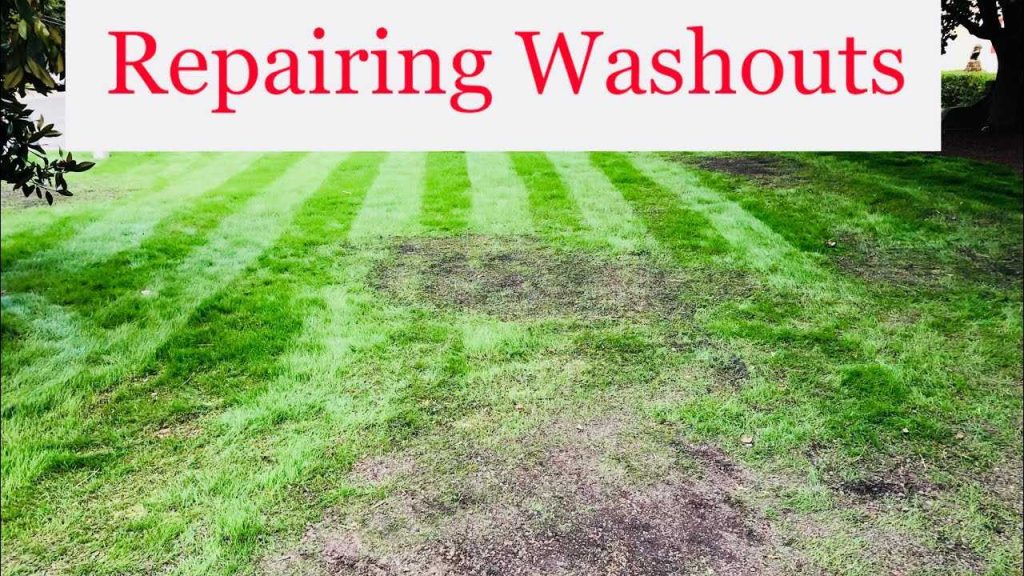
Growing grass in a muddy yard can be a challenge, but it’s definitely achievable with the right approach. First, consider amending the soil to improve drainage by mixing in compost or sand. Choose a grass type that thrives in wet conditions, such as fine fescue or Kentucky bluegrass. It’s essential to aerate the soil to promote healthy root growth and reduce compaction. After that, overseed the area with your chosen grass and keep the seeds moist until they germinate. Regular maintenance, such as mowing and watering, will support a lush green lawn. With a little patience and the right techniques, you can transform your muddy yard into a thriving grass-filled oasis.
If you’re dealing with a muddy yard and dreaming of a lush lawn, you’re not alone. Many homeowners face the same dilemma, especially after heavy rains or in low-lying areas. However, with some simple steps, you can nurture grass even in the wettest of conditions. Start by improving your soil’s drainage and selecting the right grass varieties for your climate. In addition, methods like aeration and overseeding can help establish healthy grass growth. This guide will explore effective techniques to help you successfully grow grass in a muddy yard, turning that soggy space into a vibrant green retreat. Let’s dive into the solutions!

How to Grow Grass in a Muddy Yard
Growing grass in a muddy yard can be a challenging task, but it’s not impossible. Many homeowners face the issue of having muddy patches in their lawns, especially after heavy rains or in areas with poor drainage. This guide will cover effective methods to help you establish a thriving grassy area even in wetter conditions.
Understanding the Problem
Before jumping into solutions, it’s essential to understand why your yard is muddy. Several factors contribute to mud in your yard:
- Poor drainage systems
- Compacted soil
- Excessive rainfall
- Heavy foot traffic
- Low-lying areas in your landscape
Identifying the root cause can help you decide the best course of action. Once you know why your yard is muddy, you can implement the right strategies.
Choosing the Right Grass Type
Selecting the right type of grass is crucial when growing in a muddy yard. Some grasses handle wet conditions better than others. Here are a few types known to thrive in damp environments:
- Bermudagrass
- Fescue
- Ryegrass
- Buffalograss
Bermudagrass is excellent for sunny areas, while fescue and ryegrass are great for cooler regions. Choose a type that fits your climate to ensure the best growth.
Preparing the Soil
Preparation is key when growing grass. Start by assessing your soil quality. Here are steps to improve it:
1. **Test the Soil**: Use a soil test kit to check for pH levels and nutrient content.
2. **Aerate the Soil**: Aerating helps improve drainage. You can use a lawn aerator to create holes in the soil.
3. **Add Organic Matter**: Incorporating compost can improve soil structure and enhance drainage.
Keep in mind that healthy soil is the foundation for healthy grass.
Improving Drainage
If your yard is consistently muddy, you might need to work on drainage. Here are a few methods to consider:
- Install French drains to redirect water away from problem areas.
- Use gravel to create a path that allows for better water flow.
- Consider a rain garden to collect excess rainwater.
Improving drainage not only helps grass grow but also creates a more functional outdoor space.
Seeding Your Lawn
Once you’ve selected your grass type and prepared the soil, it’s time to seed. Follow these steps for the best results:
1. **Choose the Right Time**: Early spring or fall is ideal for seeding.
2. **Spread Seeds Evenly**: Use a broadcast spreader for an even distribution.
3. **Cover with Soil**: Lightly rake over the seeds to cover them with a thin layer of soil.
Covering seeds ensures they are protected from birds and other animals.
Watering Your Grass
Proper watering techniques are essential for grass growth. Here’s how to manage it in a muddy area:
– **Moisture Monitoring**: Keep an eye on the moisture level in the soil. Too much water can lead to further mud.
– **Water Early**: Watering in the early morning ensures moisture is available without leading to puddles.
Consider using a soaker hose to water efficiently without causing runoff.
Maintaining Your Grassy Area
After planting, maintenance is crucial. Here are some tips:
1. **Mow Regularly**: Keeping your grass at the right height allows for better air circulation.
2. **Fertilize**: Use a slow-release fertilizer to provide nutrients throughout the growing season.
3. **Weed Control**: Regularly check for weeds that may compete with your grass.
Healthy maintenance encourages growth and keeps your grass vibrant.
Dealing with Heavy Foot Traffic
If your muddy yard also receives heavy foot traffic, consider these strategies:
– **Create a Pathway**: Use stepping stones or gravel to create a walking path.
– **Limit Traffic**: Designate specific areas for walking to minimize damage to your grass.
Managing foot traffic helps preserve the grass and reduces muddy patches.
Using Turf Solutions
Sometimes, traditional seeding may not be enough. In such cases, turf solutions can be beneficial. Here are options to consider:
- **Sod**: Laying sod provides instant grass but can be costly.
- **Grass Patches**: Pre-grown grass patches can help fill in muddy areas quickly.
Sod establishment can also be quick if the conditions are right.
Monitoring After Planting
Once you’ve planted your grass or laid sod, continuous monitoring is essential. Watch for the following:
– **Signs of Growth**: Look for healthy green shoots emerging.
– **Water Levels**: Adjust your watering based on rainfall and soil moisture.
Regular checks allow for timely interventions if issues arise.
Common Mistakes to Avoid
As you work on growing grass in a muddy yard, keep these mistakes in mind to avoid setbacks:
- Overwatering can lead to more mud. Be cautious.
- Not aerating can prevent drainage. Always aerate before seeding.
- Ignoring soil tests may lead to nutrient deficiencies.
Being aware of these common errors can streamline your grass-growing process.
Seasonal Care for Your Lawn
Grass care varies throughout the seasons. Here’s a breakdown of seasonal tasks:
- Spring: Fertilize and seed as needed.
- Summer: Keep the lawn well-watered and watch for pests.
- Fall: Aerate and prepare for winter.
- Winter: Avoid heavy foot traffic to prevent damage.
Adapting your care routine seasonally can help maintain a vibrant lawn.
In summary, growing grass in a muddy yard involves choosing the right grass type, preparing the soil, improving drainage, and maintaining your lawn properly. Addressing the underlying issues contributing to mud will enable you to cultivate a lush, green yard. Following these steps will lead you to success in turning your muddy yard into a thriving grassy oasis.
How to Plant a yard and grass seed like a pro – Grow a new lawn, overseeding, yard & sod care tips
Frequently Asked Questions
“`html
What type of grass is best for a muddy yard?
Choosing the right grass variety plays a crucial role in establishing a healthy lawn in a muddy yard. Consider grass types that are tolerant of wet conditions, such as Kentucky bluegrass, fescue, or ryegrass. These grasses thrive in moisture and can handle the challenges of a damp environment. Additionally, look for local varieties that are adapted to your region’s climate and soil conditions for the best results.
How can I improve the drainage in my muddy yard?
Improving drainage in a muddy yard requires a combination of techniques. Start by aerating the soil to relieve compaction, which allows water to penetrate more effectively. You can also install French drains or trenches to redirect excess water away from problem areas. Adding organic matter like compost can enhance soil structure and improve drainage over time. Creating grading around your yard can further help channel water away from grassy areas.
When is the best time to plant grass in a muddy area?
The best time to plant grass in a muddy area depends on your location and the type of grass you choose. Generally, early spring or early fall are ideal for cool-season grasses, while late spring is preferred for warm-season varieties. Monitor the yard’s moisture level and wait for conditions to improve before sowing seeds, as planting in excessively muddy conditions can lead to poor germination and disease issues.
How can I prevent my grass from becoming waterlogged?
To prevent waterlogging, ensure you maintain proper drainage and avoid overwatering. Implementing a regular mowing schedule helps keep the grass healthy and reduces the risk of disease. Additionally, consider using a lawn roller to level any low spots where water tends to accumulate. Incorporating sand or gravel into the soil mix can also enhance drainage and prevent water from pooling.
What maintenance practices should I follow for grass in a muddy yard?
Maintaining grass in a muddy yard requires consistent care and attention. Regular mowing promotes healthy growth and prevents excessive thatch buildup. Fertilize your grass according to its needs, but avoid fertilizing during extremely wet conditions. Monitor the yard for signs of disease or pests, and take action immediately if you notice any problems. Lastly, avoid walking on muddy grass to prevent soil compaction and further issues.
“`
Final Thoughts
Growing grass in a muddy yard requires careful planning and execution. Start by improving drainage to prevent water from pooling, which leads to muddy conditions. Choose grass types that thrive in wet environments, such as fescue or ryegrass, for better results.
Preparing the soil is essential; aerate it to allow better airflow and water penetration. Once the soil is ready, sow the seeds evenly and keep the area moist. With patience and the right techniques, you can successfully learn how to grow grass in a muddy yard, creating a lush green space.