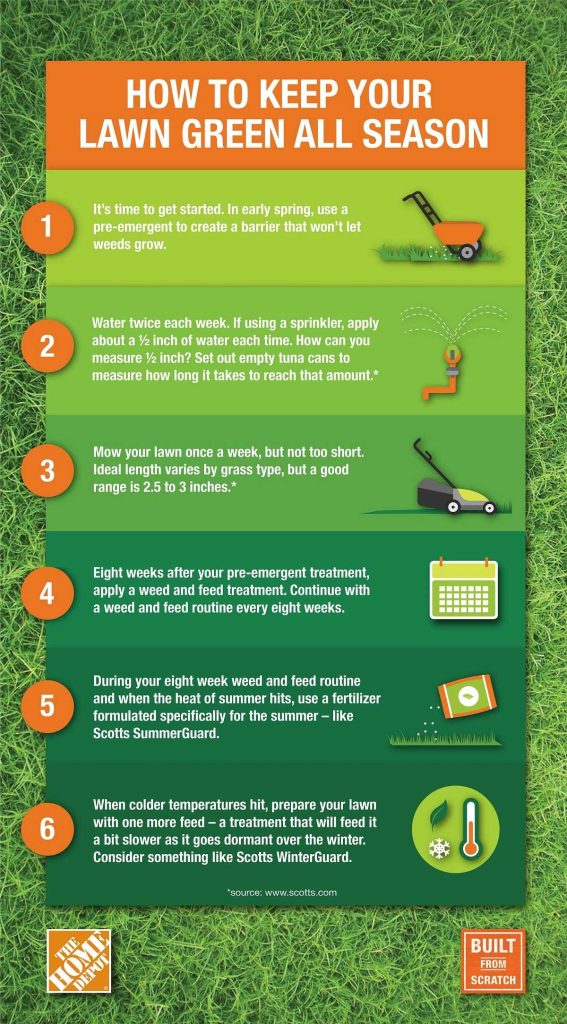
Looking to achieve a lush, green lawn without the use of chemical fertilizers? The secret lies in natural and simple practices that boost your grass’s health and vibrancy. By focusing on proper watering, mowing, aeration, and natural soil amendments, you can create a stunning lawn that’s environmentally friendly and budget-conscious. The key is nurturing your grass’s root system and improving soil quality to promote healthy growth. With consistent care and some clever tips, your yard can become the envy of the neighborhood without relying on synthetic fertilizers.
In short, to make your lawn greener without fertilizer, prioritize regular watering, aerate the soil, mow properly, and enrich the soil with organic matter like compost or mulch. These steps enhance soil health and grass vigor naturally, leading to a beautiful, vibrant lawn.
A vibrant, green lawn is a desirable feature for many homeowners, but the idea of applying chemical fertilizers can raise concerns about environmental impact and long-term soil health. Fortunately, there are effective natural methods to promote a lush, green turf without resorting to fertilizers. By understanding your lawn’s needs and adopting sustainable practices, you can cultivate a healthy, thriving yard that looks fantastic year-round. From adjusting watering habits to using organic soil amendments, these approaches help strengthen your grass at its roots while protecting the environment. Whether you’re a seasoned gardener or a beginner, implementing these tips will help you enjoy a greener lawn that’s safe and sustainable.

How to Make Lawn Greener Without Fertilizer
Understanding the Importance of Healthy Soil
A lush, green lawn starts with healthy soil. When soil is rich in nutrients and has good structure, grass can grow thicker and greener naturally. Testing your soil can reveal nutrient deficiencies and pH levels that may need adjustment. Adding organic matter such as compost improves soil texture and provides vital nutrients without relying on chemical fertilizers.
Enhancing Soil with Organic Compost
Organic compost adds essential nutrients and improves soil aeration. Spread a layer of compost over your lawn in the spring and fall. This natural boost encourages grass roots to grow deeper and makes the turf more resilient. Compost also helps retain moisture and suppress weeds, promoting overall lawn health.
Proper Mowing Techniques for a Greener Lawn
Mowing is more than just cutting grass; it impacts how healthy your lawn looks. Set your mower blades to the correct height—usually around 2.5 to 3 inches for most grasses. Taller grass shades the soil, reducing evaporation and keeping roots protected. Avoid cutting more than one-third of the grass height at a time to prevent stress and promote vigorous growth.
Watering Strategies for a Greener Lawn
Consistent watering encourages deep root growth, which leads to healthier, greener grass. Water early in the morning to reduce evaporation and fungal problems. Deep, infrequent watering—about an inch per week—is most effective for maintaining green, resilient turf. Use rain barrels or soaker hoses for efficient watering and avoid overwatering.
Aeration to Improve Soil and Root Growth
Aerating involves removing small cores of soil from your lawn to reduce compaction. Compacted soil makes it difficult for water, air, and nutrients to reach grass roots. Aeration opens up the soil, improves drainage, and encourages deeper root growth. It’s best done in spring or fall, especially for lawns that see heavy foot traffic.
Overseeding for Thicker, Greener Turf
Overseeding enhances lawn density by introducing new grass seeds into existing turf. Choose a grass type suitable for your climate and soil conditions. Spread the seeds evenly using a broadcast spreader and lightly rake to help them contact the soil. Water regularly to keep the seedbed moist and promote quick germination.
Using Natural Lawn Supplements
Natural nutrients can promote greener grass without chemicals. Bone meal provides phosphorus for root development, while blood meal boosts nitrogen levels. Seaweed and fish emulsion are liquid fertilizers that supply trace minerals and stimulate growth. Applying these in early spring or late summer helps maintain a vibrant color naturally.
Controlling Weeds Without Chemicals
Weeds compete with grass for nutrients and water, making your lawn look uneven. Hand-pulling weeds or using natural weed control methods prevents overgrowth. Applying a thick layer of mulch or grass clippings discourages weed seeds from germinating. Maintaining a dense, healthy turf naturally suppresses weed growth.
Choosing the Right Grass Types for Your Lawn
Selecting grass varieties suited to your climate and soil improves your chances of a green lawn. Cool-season grasses like Kentucky bluegrass and fescue thrive in temperate zones, while warm-season grasses such as Bermuda and Zoysia grow better in hot climates. Native grasses often require fewer inputs and are more resistant to local pests and diseases.
Dealing with Pests and Diseases Naturally
Healthy lawns resist pests and diseases better. Use beneficial insects like ladybugs and nematodes to control harmful pests. Keep your lawn healthy through proper watering and mowing, which reduces stress. Organic treatments like neem oil or copper fungicides can help manage common lawn issues without harmful chemicals.
Implementing Proper Lawn Maintenance Routines
Regular maintenance keeps your lawn looking lush and vibrant. Set a consistent schedule for mowing, watering, aeration, and overseeding. Avoid over-traffic on the grass, especially when wet. Keep debris and thatch to a minimum by regular raking or dethatching when necessary.
Additional Tips for a Naturally Greener Lawn
Consider mulching leaves instead of raking them away, as they provide organic matter that feeds the soil. Planting native flowers and herbs around your lawn can also improve biodiversity and soil health. Avoid using pesticides and herbicides that can harm beneficial organisms and disrupt natural growth cycles.
Creating a greener lawn without fertilizer involves a combination of soil care, proper watering, mowing, and natural supplementation. Emphasizing organic practices and avoiding chemical inputs leads to a healthier, more sustainable turf. Focus on improving soil health and fostering strong grass roots for a lawn that remains vibrant all season long.
9 Secrets To Keep Your Lawn Green and Healthy
Frequently Asked Questions
How can proper watering habits improve lawn greenness without using fertilizer?
Watering your lawn correctly ensures that grass roots receive adequate moisture, promoting healthy growth and vibrant color. Water early in the morning to reduce evaporation and ensure deep penetration. Avoid overwatering, which can lead to fungal issues, and ensure the soil is moist but not waterlogged. Consistent and appropriate watering encourages stronger roots and a greener appearance naturally.
What role does soil aeration play in making my lawn greener without fertilizer?
Soil aeration helps break up compacted soil, allowing air, water, and nutrients to reach grass roots more effectively. By removing small plugs of soil, aeration stimulates healthy root development and improves nutrient uptake. This process enhances overall turf health, resulting in a lusher and greener lawn without the need for chemical fertilizers.
How can mowing practices influence lawn color and health without fertilizers?
Adjusting your mowing routine by setting the blade height higher keeps grass blades longer, encouraging deeper root growth and better shade for the soil, which reduces moisture loss. Regularly mowing with sharp blades minimizes stress on the grass and promotes dense, even turf that appears greener. Avoid cutting more than one-third of the grass height at a time to maintain lawn vitality.
In what ways can organic soil amendments improve lawn greenness naturally?
Applying organic amendments like compost or aged manure enriches the soil with essential nutrients and beneficial microorganisms. These nutrients support healthy root growth and increase the lawn’s resilience to stress. Organic amendments also improve soil structure and water retention, resulting in a deeper, greener lawn over time without synthetic fertilizers.
How does overseeding contribute to a greener lawn without relying on fertilizers?
Overseeding introduces new, healthy grass varieties that are better adapted to your local climate and soil conditions. This process fills in bare or thin areas, promotes dense turf, and improves overall lawn health. With proper watering and maintenance, overseeding leads to a more vigorous and attractive green lawn naturally.
Final Thoughts
Making your lawn greener without fertilizer is achievable through simple practices. Regular watering keeps the soil moist and encourages healthy grass growth. Mowing at the correct height prevents stress and promotes lushness.
Aerating the soil improves air circulation and nutrient absorption. Overseeding fills in bare patches, resulting in a fuller, greener lawn. Additionally, organic compost adds essential nutrients naturally.
In conclusion, to make lawn greener without fertilizer, focus on proper watering, aeration, overseeding, and composting. These methods boost your grass’s health and vibrancy naturally.