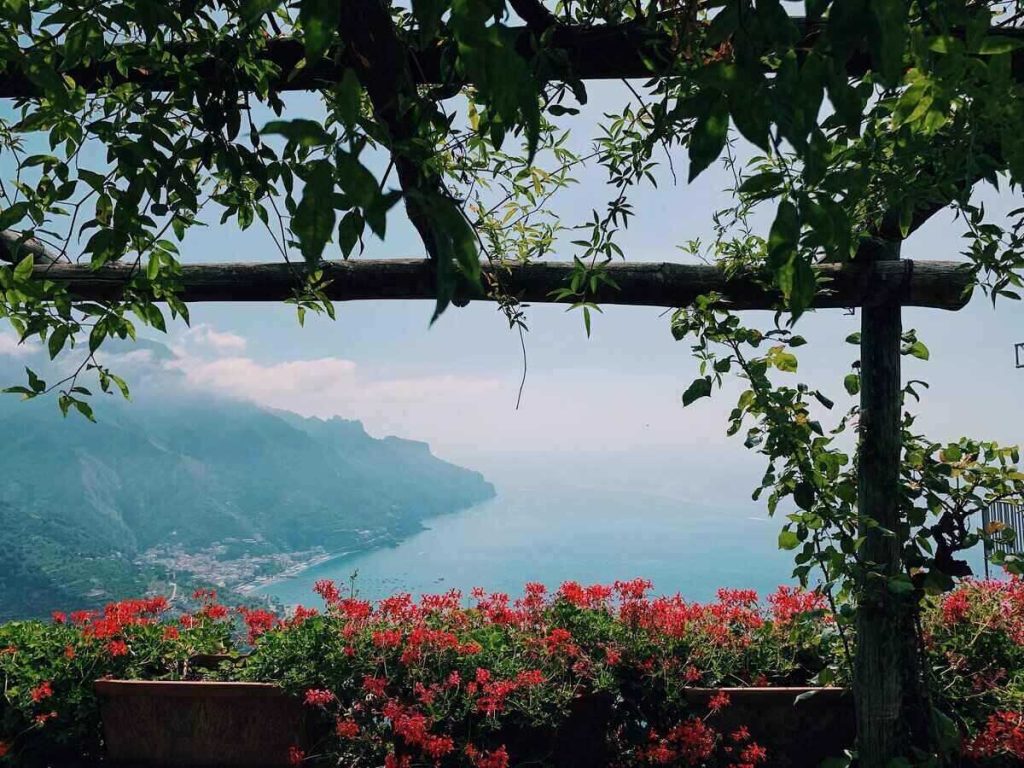
If you’re looking to create a vibrant garden in high altitude areas, focus on choosing plants that can withstand the unique challenges of such environments. Consider varieties like alpine asters, edelweiss, and certain succulents that thrive in cooler temperatures and intense sunlight. These plants not only survive but often flourish, adding color and life to your landscape. In this blog, we’ll explore various gardening tips and techniques that can help you cultivate a beautiful and resilient garden at high elevations. From understanding soil conditions to selecting the right species, you’ll find all the information you need to bring your high altitude garden to life. Your green thumb can definitely thrive, even in challenging terrains!

Blog Gardening Plants That Thrive In High Altitude Landscapes
When gardening at high altitudes, you face unique challenges that can affect plant growth. The air is thinner, sunlight is more intense, and temperature fluctuations can be significant. However, many plants thrive in these rugged conditions, and knowing which ones to choose can help you create a beautiful and sustainable garden.
Understanding High Altitude Conditions
Gardening in high altitude areas presents specific challenges. The climate tends to be cooler, with shorter growing seasons. Soil quality can vary, often being rocky or less fertile. Additionally, moisture levels can fluctuate, which affects plant health. Understanding these conditions is vital to selecting the right plants.
- Thin air: Plants must adapt to lower oxygen levels.
- Intense sunlight: UV rays can be stronger, causing potential sunburn on plants.
- Temperature changes: Nights can be much cooler, affecting growth stages.
Choosing the Right Plants
When selecting plants for high altitudes, consider their ability to withstand harsh conditions. Native plants are often the best choice as they have adapted to the environment over time. Look for species that handle cold temperatures and poor soil well.
- Perennials: These plants return year after year, making them reliable choices.
- Native species: These are already adapted to local conditions.
- Drought-resistant plants: These can handle variations in rainfall.
Top Plants for High Altitude Gardening
Several plants are known for their ability to thrive in high altitude landscapes. Here are some excellent options to consider for your garden:
1. Alpine Aster (Aster alpinus)
Alpine Aster is a compact perennial that produces beautiful, vibrant flowers in shades of blue and purple. It thrives in rocky, poor soils and can tolerate cold temperatures. This plant attracts pollinators, making it beneficial for a garden.
2. Stonecrop (Sedum spp.)
Stonecrop is a succulent that excels in dry, sunny locations. It stores water in its leaves, making it drought-tolerant. Stonecrop varieties offer various colors and textures, providing visual interest in your garden.
3. Mountain Avens (Dryas octopetala)
Mountain Avens is a hardy perennial that can handle extreme conditions. It produces lovely white flowers and grows well in rocky soils. This plant can also stabilize soil, helping to prevent erosion.
4. Bluebell (Mertensia spp.)
Bluebells are known for their striking blue flowers that bloom in spring. They thrive in cooler temperatures and can grow in shaded areas, making them a great choice for diverse garden settings.
5. Poppy (Papaver spp.)
Certain poppy species, like the Arctic Poppy, are well-suited for high altitudes. They bloom beautifully and can withstand poor soil conditions. Their bold colors add a splash of vibrancy to any garden.
Soil Management Tips
Managing soil in high altitude gardens is crucial for successful plant growth. Often, soils can be rocky or lacking in organic matter. Here are some tips to improve soil quality:
- Add compost: Incorporating organic matter can enhance soil fertility.
- Mulching: A layer of mulch helps retain moisture and regulate soil temperature.
- Testing soil pH: Knowing the pH level can guide you in selecting appropriate plants.
Watering Strategies
Watering plants effectively in high altitudes can be tricky. Due to lower humidity and potential evaporation, it’s important to create a suitable watering routine for your plants:
- Deep watering: Watering deeply encourages strong root growth.
- Drip irrigation: This system can efficiently deliver water to plants while minimizing evaporation.
- Monitor rainfall: Adjust your watering schedule based on rain patterns.
Protecting Plants from Harsh Elements
High altitude gardens can experience fierce winds and extreme temperatures. Protecting your plants from these elements is essential for their health. Here are effective strategies:
- Windbreaks: Use fencing or shrubs to shield plants from strong winds.
- Row covers: Lightweight fabrics can help retain heat during cold nights.
- Strategic placement: Position taller plants to provide shelter to smaller ones.
Creating a Microclimate
In high-altitude gardens, creating a microclimate can significantly benefit plant health. A microclimate is a small area that has different environmental conditions than the surrounding region. Here’s how to create one:
- Using walls: Stone or brick walls can absorb heat during the day and release it at night.
- Grouping plants: Planting certain species together can create a protective environment.
- Water features: Adding a pond or fountain can help moderate temperatures and increase humidity.
Seasonal Considerations
Gardening in high altitude regions means being aware of the changing seasons. Here are some seasonal considerations to keep in mind:
- Spring: Start seeds indoors or choose cold-tolerant varieties for outdoor planting.
- Summer: Monitor water levels as temperatures rise; some plants may need extra hydration.
- Fall: Prepare plants for winter by mulching and cutting back perennials.
- Winter: Protect sensitive plants with appropriate coverings and ensure adequate drainage.
Companion Planting
Companion planting can be very beneficial in high altitude gardens. This practice involves planting different species together that can enhance each other’s growth. Here are a few beneficial combinations:
- Carrots and onions: They deter pests from each other.
- Beans and corn: Beans provide nitrogen while corn offers support for climbing.
- Marigolds with vegetables: Marigolds help repel harmful insects.
Beneficial Wildlife in High Altitude Gardens
Creating an ecosystem in your high altitude garden can attract beneficial wildlife. Encouraging birds, insects, and other creatures can help with pollination and pest control. Here are ways to attract wildlife:
- Plant native flowers: They often provide nectar and habitat for local pollinators.
- Install bird feeders: This can help attract birds that control pest populations.
- Provide shelter: Leaving some areas wild can offer homes for beneficial insects.
By carefully choosing plants that are well-suited to high altitude conditions and employing effective gardening strategies, you can create a vibrant garden that flourishes despite the challenges. Embrace the beauty and resilience of high-altitude gardening, and watch as your landscape thrives!
Wild Mountain Seeds: No-Till, High Elevation Organic Seeds & Vegetables
Frequently Asked Questions
“`html
What are the main challenges of gardening at high altitudes?
Gardening at high altitudes presents several challenges, including intense UV radiation, rapidly changing weather conditions, and shorter growing seasons. The thinner atmosphere can also lead to cooler temperatures, which may affect plant growth and development. Additionally, soil quality can vary greatly, often being rocky and less nutrient-rich, making it necessary to amend the soil for successful gardening.
How can I protect my plants from harsh weather conditions in high-altitude gardens?
To protect plants from harsh weather, consider using windbreaks like hedges or fences to shield them from strong winds. Providing mulch can help conserve soil moisture and regulate temperature. Building raised beds can improve drainage and increase soil warmth. Additionally, using row covers or cloches can protect young plants from frost and extreme temperature fluctuations.
Are there specific planting techniques that work better at higher altitudes?
Yes, specific planting techniques can enhance success at higher altitudes. Start seeds indoors to give them a head start before transferring them outdoors. Incorporate organic matter into the soil to improve fertility and moisture retention. Plant in the spring after the last frost for the best results, and consider using companion planting strategies to boost growth and deter pests.
What types of soil amendments should I consider for high-altitude gardening?
For high-altitude gardening, consider using compost, well-rotted manure, or peat moss to improve soil structure and fertility. These amendments enhance nutrient content and moisture retention, which can be crucial in challenging growing conditions. Additionally, incorporating perlite or sand can improve drainage in heavy soils, promoting healthier root development.
Can I grow vegetables in high-altitude gardens, and if so, which ones are best?
Yes, you can grow vegetables in high-altitude gardens. Vegetables that thrive in cooler temperatures, such as kale, spinach, and carrots, often perform well. Other sturdy options include radishes and certain varieties of potatoes. Choose short-season varieties to maximize your harvest within the limited growing period.
“`
Final Thoughts
Gardening in high altitude landscapes requires careful plant selection to thrive in challenging conditions. Many hardy species adapt well to the cooler temperatures and intense sunlight found at higher elevations. Selecting plants that can withstand these extremes not only enhances your garden’s beauty but also ensures sustainability.
Blog Gardening Plants That Thrive In High Altitude Landscapes emphasizes the importance of choosing native varieties and resilient species. With thoughtful planning, you can create a vibrant garden that flourishes even in tough environments.