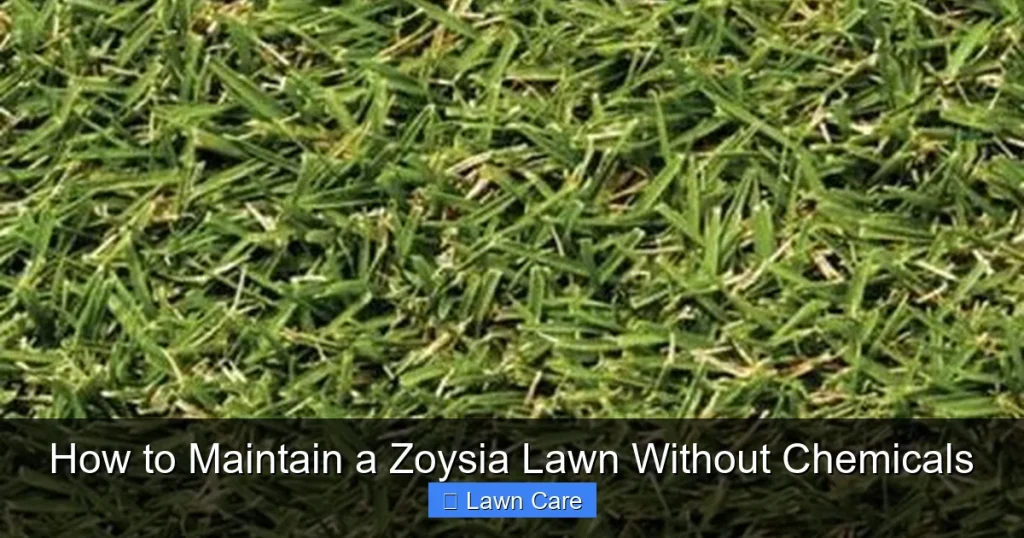
Maintaining a Zoysia lawn without chemicals is achievable through smart, natural practices. Focus on proper mowing, watering, soil health, and organic solutions for weeds and pests to nurture a beautiful, healthy, and eco-friendly Zoysia turf.
How to Maintain a Zoysia Lawn Without Chemicals
Zoysia grass is a fantastic choice for many homeowners looking for a durable, attractive, and low-maintenance lawn. It’s known for its dense growth, beautiful green color, and remarkable ability to withstand heat and drought. But what if you want to achieve all that without reaching for chemical fertilizers, herbicides, or pesticides? Good news – it’s absolutely possible!
Maintaining a Zoysia lawn the natural way is not only better for the environment and your family but can also lead to a healthier, more resilient turf in the long run. It requires a shift in thinking, moving away from quick fixes and towards building a strong, living ecosystem in your yard. Instead of just treating symptoms, we’ll focus on creating the conditions that prevent problems before they start.
- Proper Mowing is Key: Mow Zoysia grass higher, typically between 1 to 3 inches, and never remove more than one-third of the blade at a time to promote density and discourage weeds.
- Water Wisely: Deep, infrequent watering encourages Zoysia’s extensive root system, making it more drought-tolerant and less susceptible to disease.
- Nourish Your Soil Naturally: Focus on building healthy soil through composting and organic matter, which provides essential nutrients and improves drainage, reducing the need for synthetic fertilizers.
- Combat Weeds Organically: A healthy, dense Zoysia lawn is the best weed defense. Manual removal, proper mowing, and organic herbicides can manage any rogue invaders.
- Natural Pest and Disease Control: Encourage beneficial insects and maintain good lawn care practices to prevent most pest and disease issues, opting for organic treatments only when necessary.
- Aeration and Dethatching: Regular aeration and dethatching improve air and water penetration, crucial for a healthy root system and overall turf vigor, especially in Zoysia.
Quick Answers to Common Questions
What is the best mowing height for a Zoysia lawn without chemicals?
For most Zoysia varieties, the ideal mowing height is between 1 to 3 inches. Mowing higher helps shade the soil, prevents weed germination, and conserves moisture, all contributing to a healthier, chemical-free lawn.
How often should I water a Zoysia lawn if I’m not using chemicals?
Water deeply and infrequently. Aim to water until the soil is moist 6 to 8 inches deep, which encourages deep root growth and makes the lawn more drought-tolerant. This might mean watering once or twice a week during hot, dry periods, or much less frequently when it rains.
What are natural ways to fertilize Zoysia grass?
Focus on improving soil health by top-dressing with compost or well-rotted manure. Grasscycling (leaving grass clippings on the lawn) also returns valuable nutrients. Healthy soil provides the necessary food for your Zoysia.
How can I deal with weeds in a Zoysia lawn naturally?
A dense, healthy Zoysia lawn is the best weed defense. For individual weeds, hand-pulling is effective. For more widespread issues, consider organic herbicides derived from natural ingredients or focus on improving overall lawn vigor to outcompete weeds.
What are organic methods for controlling lawn pests on Zoysia?
Encourage beneficial insects like ladybugs and lacewings. If pests are present, use organic treatments such as insecticidal soap or neem oil. Ensure good lawn health, as stressed grass is more susceptible to pests.
📑 Table of Contents
The Foundation: Understanding Zoysia’s Needs
Before we dive into specific techniques, it’s helpful to understand what makes Zoysia tick. This warm-season grass thrives in hot weather and goes dormant (turns brown) in cooler temperatures. Its unique growth pattern, spreading via rhizomes and stolons, allows it to create a thick, carpet-like sod that is incredibly effective at choking out weeds when healthy. Understanding these characteristics is the first step to nurturing your Zoysia lawn naturally.
Optimal Growing Conditions
Zoysia loves sunshine! It needs at least 6-8 hours of direct sunlight per day to thrive. If your lawn is heavily shaded, Zoysia might struggle, and you may need to consider alternative grass types or shade-tolerant ground cover. Its ideal temperature range is between 75-90°F (24-32°C), which is why it’s a popular choice in many southern and transitional climate zones.
Seasonal Growth Habits
Remember that Zoysia is a warm-season grass. This means it will be actively growing and green during the late spring, summer, and early fall. During late fall and winter, it will go dormant and turn brown. Don’t panic! This is normal, and it will green up again as temperatures rise in the spring. This dormancy is actually a natural protective mechanism and helps reduce the need for constant care during cooler months.
Mastering the Mower: Smart Mowing Practices
Mowing is probably the most frequent lawn care task, and how you do it significantly impacts your Zoysia’s health. The goal with Zoysia is to encourage its dense growth and discourage weeds. This often means mowing higher than you might think!

Visual guide about How to Maintain a Zoysia Lawn Without Chemicals
Image source: florawisp.com
The Right Height for Zoysia
For most Zoysia varieties, the ideal mowing height is between 1 to 3 inches. Taller grass blades help shade the soil, preventing weed seeds from germinating and retaining moisture. Shorter mowing can stress the grass, making it more susceptible to drought, pests, and diseases. Experiment to find the sweet spot for your specific Zoysia cultivar and local conditions.
The One-Third Rule
A golden rule for any lawn, especially Zoysia, is to never remove more than one-third of the grass blade at any single mowing. Cutting too much at once can shock the grass, leaving it vulnerable. If your grass has grown too tall, it’s better to mow it incrementally over a couple of mowing sessions rather than trying to cut it all down at once. This approach supports continuous, healthy growth.
Sharp Blades are Essential
Dull mower blades tear grass blades rather than cutting them cleanly. This ragged cut can lead to browning tips and makes the grass more prone to disease. Regularly sharpen your mower blades. A clean cut promotes faster healing and a healthier appearance. You might even consider how to sharpen lawn mower blades without a grinder if you’re looking to do it yourself.
Water Wisely, Water Deeply
Watering is crucial, but overwatering can be just as detrimental as underwatering, especially for Zoysia. The key is to water deeply and infrequently to encourage the development of a strong, deep root system.
Visual guide about How to Maintain a Zoysia Lawn Without Chemicals
Image source: florawisp.com
Encouraging Deep Roots
Zoysia grass naturally develops an extensive root system thanks to its rhizomes and stolons. To support this, you want to water your lawn deeply, allowing moisture to penetrate about 6 to 8 inches into the soil. This typically means watering for a longer duration each time, rather than frequent, short sprinklings. This deep watering encourages the roots to grow downwards in search of moisture, making the lawn more drought-tolerant.
When to Water
The best time to water your Zoysia lawn is in the early morning, between 4 AM and 9 AM. This allows the grass blades to dry off during the day, reducing the risk of fungal diseases. Watering in the evening can leave the grass wet overnight, creating a breeding ground for fungi. Look for signs of thirst: a dull, grayish-green color, or footprints that remain visible on the grass long after you’ve walked on it.
Water Conservation
Zoysia is naturally drought-tolerant once established. You may find that during periods of moderate heat, your lawn can go for extended periods without supplemental watering. Learning how to maintain a lawn with minimal water usage is a core principle of chemical-free lawn care. Pay attention to weather patterns and only water when your lawn truly needs it. This is especially important if you are trying to learn how to maintain lawn without a sprinkler system, relying more on natural rainfall.
Feeding Your Lawn Naturally: Soil Health is Key
Instead of relying on synthetic fertilizers, the focus for a chemical-free Zoysia lawn is on building and maintaining healthy soil. Healthy soil provides the nutrients your grass needs to thrive, resist pests and diseases, and grow densely.

Visual guide about How to Maintain a Zoysia Lawn Without Chemicals
Image source: fairwaylawns.com
Composting and Organic Matter
Top-dressing your lawn with a thin layer of compost is one of the best things you can do. Compost adds valuable organic matter, improves soil structure, enhances water retention, and provides a slow release of nutrients. You can also incorporate well-rotted manure or other organic amendments into your soil. This feeds the beneficial microorganisms in the soil, which in turn feed your grass.
Grasscycling (Leaving Grass Clippings)
When you mow, leave the grass clippings on the lawn. This practice, known as grasscycling, returns valuable nutrients and organic matter to the soil as the clippings decompose. Zoysia clippings break down relatively quickly, so you won’t have to worry about thatch buildup if you’re mowing correctly (remember the one-third rule!).
Soil Testing
Periodically testing your soil’s pH and nutrient levels can be very helpful. Most grasses, including Zoysia, prefer a slightly acidic to neutral pH (around 6.0 to 7.0). If your soil is too acidic or alkaline, nutrient uptake can be hindered. You can amend the soil naturally based on test results. For example, if your soil is too acidic, you might use limestone. You can learn how to apply lime to your lawn without a spreader using simple tools.
Weed Warriors: Natural Weed Management
A healthy, dense Zoysia lawn is your best defense against weeds. When Zoysia is growing vigorously, its thick canopy prevents sunlight from reaching weed seeds, inhibiting their germination. However, even the best lawns can get a few invaders.
Prevention Through Density
The practices we’ve already discussed – proper mowing height, adequate watering, and good soil fertility – are your primary weed prevention tools. A strong root system and dense turf mean fewer opportunities for weeds to establish themselves.
Manual Removal
For individual weeds or small patches, hand-pulling is the most effective chemical-free method. The best time to pull weeds is after a rain or watering, when the soil is moist, making it easier to remove the entire root system. Make sure to get the root, or the weed will likely grow back.
Organic Solutions
For more persistent weed issues, there are organic herbicides available derived from natural ingredients like corn gluten meal or essential oils. Corn gluten meal can act as a pre-emergent, preventing weed seeds from germinating, but it also has some post-emergent properties. These are generally less aggressive than synthetic herbicides and may require more frequent application, but they are a safer alternative. Learning how to maintain a weed-free lawn naturally is all about consistency and patience.
Pest and Disease Patrol: A Balanced Ecosystem
A healthy Zoysia lawn is naturally more resistant to pests and diseases. The key to chemical-free pest and disease control is to create an environment that supports beneficial insects and natural predators, and to address issues promptly and organically.
Encourage Beneficial Insects
Attract insects like ladybugs, lacewings, and predatory mites that feed on common lawn pests like aphids and grubs. Planting a variety of native flowers and plants around your lawn can provide habitats and food sources for these beneficial creatures. A diverse landscape supports a balanced ecosystem.
Identify the Problem
Before you do anything, correctly identify the pest or disease you’re dealing with. Sometimes, what looks like a pest problem is actually a symptom of poor cultural practices (like overwatering or incorrect mowing). Resources on how to control lawn pests without harmful chemicals can help you diagnose and treat issues effectively.
Organic Treatments
If you must intervene, opt for organic solutions. For insect pests, insecticidal soaps, neem oil, or beneficial nematodes can be effective. For fungal diseases, improving air circulation (through aeration), ensuring proper watering, and applying organic fungicides based on sulfur or copper can help. Remember, these are best used sparingly and as a last resort when natural defenses are overwhelmed.
Aeration and Dethatching
Over time, thatch can build up on a Zoysia lawn. This is a layer of dead grass stems and roots that can prevent water, air, and nutrients from reaching the soil. Aerating your lawn (poking holes in the soil) and dethatching (removing the thatch layer) improve soil health and reduce the risk of pests and diseases. While these can be done during a drought, it’s best to aerate your lawn during the active growing season for Zoysia. You might consider how to aerate your lawn during a drought without damaging it if you live in a dry climate.
Seasonal Care for a Thriving Zoysia Lawn
Consistent care throughout the year is essential for maintaining a robust Zoysia lawn without chemicals. Zoysia’s growth cycle influences how and when you should perform certain tasks.
Spring: The Wake-Up Call
As temperatures begin to warm and Zoysia starts to green up, it’s time for some attention. Light dethatching might be needed if thatch buildup is significant. You can also top-dress with compost. Wait until Zoysia is actively growing before applying any organic fertilizers.
Summer: Peak Performance
This is Zoysia’s prime growing season. Continue with proper mowing and watering practices. Monitor for any signs of pests or diseases, and address them quickly using organic methods. This is also a good time to perform aeration if needed and your soil is not excessively dry.
Fall: Preparation for Dormancy
As temperatures start to cool, Zoysia will begin to slow its growth. Continue mowing as needed, but you can gradually raise the mowing height. A final top-dressing of compost can be beneficial. Avoid applying high-nitrogen fertilizers late in the season, as this can encourage new growth that may be damaged by frost.
Winter: Rest and Recharge
Zoysia will go dormant and turn brown. Your primary task is simply to allow it to rest. If you have heavy leaf litter, consider how to remove leaves from lawn without a blower, perhaps by raking or mulching them back into the lawn. This is a good time to plan for the next growing season and research any new organic lawn care techniques you want to try.
By focusing on building healthy soil, employing smart mowing and watering techniques, and using natural methods for pest and weed control, you can achieve a beautiful, resilient Zoysia lawn without resorting to chemicals. It’s a rewarding journey that benefits your family, your pets, and the planet.
Frequently Asked Questions
How do I know if my Zoysia lawn needs watering?
Look for visual cues like a dull, grayish-green color or footprints that remain visible on the grass long after you’ve walked on it. These are signs that your Zoysia is thirsty and needs a deep watering.
Can Zoysia grass grow in shady areas?
Zoysia grass is a sun-loving grass and requires at least 6-8 hours of direct sunlight per day to thrive. It does not perform well in heavily shaded conditions.
What is thatch, and how do I manage it naturally?
Thatch is a layer of dead grass stems and roots. You can manage it naturally by grasscycling (leaving clippings), aerating your lawn to improve air and water penetration, and dethatching if the layer becomes too thick.
When is the best time of year to aerate my Zoysia lawn?
The best time to aerate Zoysia is during its active growing season, which is late spring through summer. Avoid aerating when the grass is dormant or stressed, especially during extreme drought.
Are there any natural ways to make my Zoysia lawn greener?
A greener Zoysia lawn is typically a sign of good health. Focus on improving soil health with compost, ensuring proper watering, and mowing at the correct height. These practices promote dense, healthy growth, which results in a vibrant green color.
What should I do if my Zoysia lawn has brown patches?
Brown patches can be caused by several factors, including drought stress, fungal disease, grubs, or even urine spots from pets. First, identify the cause. If it’s drought, water deeply. If it’s disease or pests, use appropriate organic treatments. If it’s pet urine, rinse the area immediately with water.