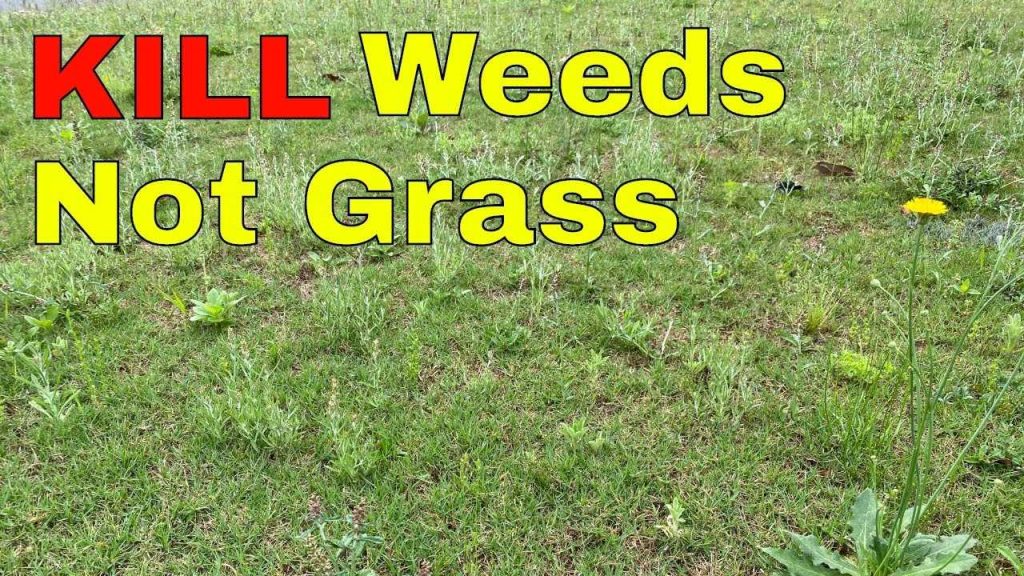
If you’re tired of those pesky weeds taking over your lawn but don’t want to harm your precious grass, you’re in the right place. The good news is that there are several effective methods to tackle this issue without damaging your lawn. One of the simplest solutions is to apply a selective herbicide that targets weeds while sparing grass. Alternatively, you can use natural methods like hand-pulling, mulching, or boiling water to eliminate weeds without resorting to chemicals. Whether you prefer a quick fix or a more sustainable approach, there are plenty of options to keep your lawn looking its best. Let’s dive deeper into these methods and find the right one for your needs!

“`html
How to Kill Weeds but Not Grass
Maintaining a lush green lawn can indeed be a challenge, especially when weeds decide to muscle in. Finding the right methods to effectively *kill weeds but not grass* is essential for any homeowner who takes pride in their yard. The good news is that there are various strategies and techniques that can help you achieve a weed-free lawn without harming your grass.
Understanding Weeds and Grass
Weeds are often plants that grow aggressively, competing with your grass for nutrients, water, and sunlight. These plants can be annual or perennial, meaning they can grow and spread rapidly. Understanding the type of weeds that invade your lawn will help you choose the best control methods.
Grass, on the other hand, thrives in nutrient-rich soil and is particularly sensitive to certain chemicals. Knowing the specific types of grass you have is crucial when deciding how to combat weeds effectively.
Identifying Common Weeds
Before applying any weed control methods, it is important to identify which weeds you are dealing with. Here are some common lawn weeds:
- Dandelions
- Clover
- Crabgrass
- Thistle
- Chickweed
Each of these weeds has specific characteristics, and knowing them can help you choose the right treatment.
Preventative Measures
The best way to manage weeds is by taking preventative measures. A healthy lawn is less susceptible to weed invasions. Here are a few tips to keep in mind:
- Keep your grass well-fed with the right nutrients.
- Mow your lawn regularly to the recommended height.
- Water deeply and infrequently to encourage deep root growth.
- Consider overseeding your lawn to maintain thickness.
These practices can strengthen your grass and create a less favorable environment for weeds.
Choosing the Right Herbicides
If you find that preventative measures aren’t enough, using herbicides is another option. Not all herbicides are created equal, and some are specifically designed to kill weeds without harming grass.
– **Selective Herbicides**: These target specific weeds without damaging the grass. For example, many herbicides can effectively control broadleaf weeds like dandelions while leaving your grass unharmed.
– **Post-Emergent Herbicides**: These are applied after the weeds appear, targeting actively growing weeds in your lawn.
– **Pre-Emergent Herbicides**: These create a barrier to prevent weed seeds from germinating. This is ideal for annual weeds.
Make sure to read the labels carefully to ensure they are safe for your specific type of grass.
Natural Solutions for Weed Control
If you prefer to avoid chemicals, several natural methods can help eliminate weeds effectively. Here are a few options to consider:
- Boiling Water: Pouring boiling water directly onto weeds can cook them and prevent regrowth.
- Vinegar: High-acidity vinegar can kill weeds. Be cautious, as it can affect grass if applied directly.
- Salt: Salt can dehydrate and kill weeds but use it sparingly to avoid impacting the surrounding grass.
These methods can be effective but may require more frequent applications compared to chemical options.
Manual Removal Techniques
Sometimes the best solution is to get your hands dirty. Manual removal can be effective for small infestations. Here are some tips:
– **Pulling Weeds by Hand**: Ensure you remove the entire root to prevent regrowth. This is best done after a rain when the soil is soft.
– **Using a Hand Tool**: Tools like hoe or weeding forks can help you dig out weeds without damaging your grass.
This method is labor-intensive but can be very effective, especially for isolated weeds.
Maintaining Lawn Health
Regular maintenance is crucial for a healthy lawn. Focus on the following:
- Fertilizing: Apply fertilizer that is suitable for your grass type in the spring and fall.
- Thatch Control: Remove excess thatch that can harbor weed seeds.
- Irrigation: Install a proper irrigation system to promote healthy grass growth.
Healthy grass is your best defense against weeds.
Timing and Seasonal Considerations
Timing is key when it comes to weed management. Applying herbicides during the right season can greatly enhance their effectiveness. Here are general guidelines:
– **Early Spring**: This is a great time for pre-emergent herbicides before weeds begin to germinate.
– **Late Spring to Early Summer**: This is when you can use post-emergent herbicides for dandelions and other broadleaf weeds.
– **Fall**: This is an excellent time for overseeding and fertilizing, allowing grass to establish before winter.
Following the seasonal cycles can improve your weed control efforts.
Controlling weeds without harming grass requires a combination of knowledge, strategy, and persistence. Understanding your lawn’s specific needs and the types of weeds will lead you to success. Whether you choose natural methods, herbicides, or manual removal, a proactive approach can help you create a beautiful, weed-free lawn. Keep in mind that regular maintenance and seasonal considerations play significant roles in maintaining the health of your grass while managing those pesky weeds. By following the tips outlined in this article, you can achieve a vibrant lawn that you can be proud of.
“`
[How to KILL WEEDS] in Your Lawn WITHOUT KILLING the GRASS
Frequently Asked Questions
“`html
What are some natural methods to control weeds while preserving grass?
Using natural methods can effectively manage weeds without harming your grass. One popular method involves hand-pulling weeds, especially after rain when the soil is soft. Mulching around your grass can also prevent weeds from getting sunlight. Another approach is to use boiling water on the weeds, being careful to avoid any contact with your grass.
Can I use vinegar to eliminate weeds without damaging my lawn?
Yes, vinegar can help kill weeds due to its high acetic acid content. To use it effectively, spray it directly on the weeds during a sunny day, ensuring it doesn’t come in contact with your grass. The sunlight enhances the vinegar’s effectiveness, but remember, it may affect other plants if applied indiscriminately.
Are there specific herbicides designed for weed control that won’t harm grass?
Yes, there are selective herbicides available that target broadleaf weeds while leaving grass unharmed. Look for products labeled as “selective” and specifically designed for use on lawns. Always read the instructions carefully to ensure proper application and to protect your grass.
How often should I apply weed control without harming my lawn?
Applying weed control products or methods should occur as needed, typically when you notice weeds sprouting. If using herbicides, follow the product’s recommended frequency, which usually suggests applications every 4 to 6 weeks during the growing season. Always check the specific recommendations based on your grass type and local climate.
What cultural practices can reduce weed growth while maintaining healthy grass?
Implementing good cultural practices can significantly reduce weed growth. Regularly mowing your grass at the right height promotes healthy growth and prevents weeds from establishing. Aerating your lawn helps improve soil health and reduces compaction, allowing grass to thrive. Additionally, fertilizing appropriately and maintaining proper watering can keep your lawn dense, which naturally suppresses weed growth.
“`
Final Thoughts
To effectively manage your lawn, focus on targeted methods that eliminate weeds without harming grass. Hand pulling weeds is a simple yet effective technique, especially for small infestations. For larger areas, consider using a selective herbicide that specifically targets weeds while preserving your grass.
Regular maintenance, like mowing and aerating, promotes healthy grass growth, making it more competitive against weeds. Ultimately, following these strategies will help you learn how to kill weeds but not grass, ensuring a lush, green lawn.