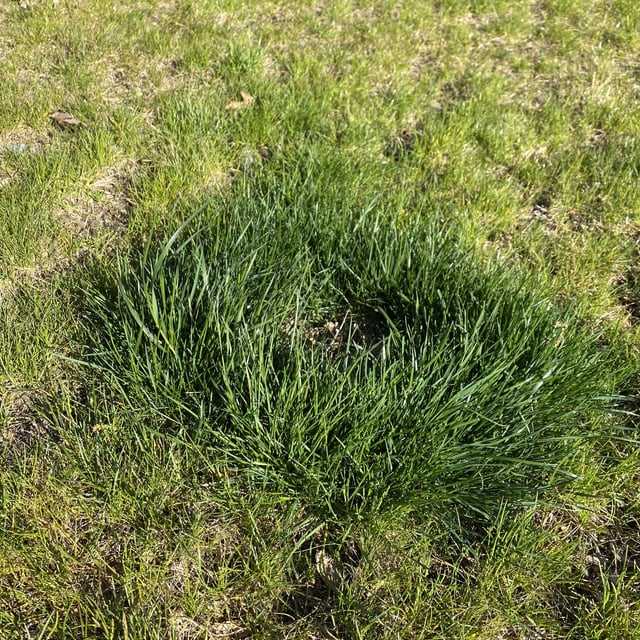
If you’re dreaming of a lush, green lawn that makes your neighbors envious, you’re in the right place! Achieving that vibrant carpet of grass is easier than you might think. The secret lies in a few key practices: regular watering, proper mowing, and fertilization. Start by ensuring your grass gets around an inch of water each week, either from rainfall or irrigation. Mow regularly to keep the grass healthy, but don’t cut it too short—aim for around three inches. Lastly, feed your lawn with a quality fertilizer to provide the essential nutrients it needs to flourish. By following these simple steps, you’ll be on your way to a glorious green lawn that’s perfect for outdoor enjoyment.

“`html
How to Get Luscious Green Grass
Achieving a lush, green lawn is a goal many homeowners share. Beautiful grass not only enhances the aesthetic appeal of your property but also provides a wonderful space for family activities and outdoor gatherings. In this comprehensive guide, we will delve into practical steps and essential tips to help you cultivate luscious green grass.
Understanding Grass Types
To start, it’s important to choose the right type of grass for your climate and soil. Different grasses thrive in varying conditions. Here are a few common types of grass:
- Bermudagrass: Great for warm climates, ideal for sunny areas.
- Fescue: Tolerates shade well, suitable for cool-season areas.
- Kentucky Bluegrass: Popular in northern regions, known for its lush appearance.
- Perennial Ryegrass: Quick germination, perfect for overseeding.
Understanding these grass types helps you make an informed decision that aligns with your specific needs.
Soil Preparation
Preparing the soil is crucial for healthy grass growth. Follow these steps to get started:
- Test Your Soil: Use a soil test kit to determine pH levels and nutrient content.
- Amend Soil: Depending on the test results, you may need to add lime, compost, or fertilizers.
- Till the Soil: Loosen the top layer of soil to promote root growth.
Healthy soil creates a strong foundation for your grass, ensuring it gets the nutrients it needs.
Seeding Your Lawn
Once your soil is prepared, it’s time to seed your lawn. Here’s how to do it effectively:
- Choose Quality Seeds: Look for high-quality grass seeds that are appropriate for your area.
- Spread Evenly: Use a seed spreader for uniform distribution.
- Water Immediately: Water lightly after seeding to keep the soil moist.
Proper seeding is fundamental in achieving even growth and a vibrant lawn.
Watering Techniques
Watering is a critical factor for healthy grass. Here are some effective watering tips:
- Water Deeply: Aim for 1 to 1.5 inches of water per week, including rain.
- Water Early: Best during early morning hours to minimize evaporation.
- Avoid Overwatering: Too much water can lead to disease and shallow roots.
Consistent and adequate watering promotes deep root systems, essential for green grass.
Mowing for Health
Mowing helps maintain the health and appearance of your lawn. Keep these mowing tips in mind:
- Mow Regularly: Aim to mow every 1 to 2 weeks during the growing season.
- Keep Blades Sharp: Sharp blades make clean cuts, reducing stress on grass.
- Adjust Height: Set your mower to a height of 2.5 to 3 inches for optimal growth.
Proper mowing encourages healthy grass by allowing sunlight to reach the lower blades.
Fertilizing Your Lawn
Fertilizing provides essential nutrients for your grass. Here’s how to do it right:
- Select the Right Fertilizer: Choose a balanced fertilizer with nitrogen, phosphorus, and potassium.
- Follow a Schedule: Fertilize in spring and fall for the best results.
- Use Proper Techniques: Apply fertilizer evenly using a spreader to avoid burns.
Fertilizing at the right times helps promote lush, green grass.
Pest and Weed Management
Keeping your lawn free of pests and weeds is essential for a healthy yard. Here are some tips:
- Regular Inspections: Check for signs of pests or weeds regularly.
- Use Organic Solutions: Consider natural pesticides and herbicides to control infestations.
- Prevent Weeds: Maintain healthy grass to outcompete weeds naturally.
A proactive approach helps in managing pests and weeds effectively.
Seasonal Lawn Care
Caring for your lawn varies by season. Here’s what to focus on throughout the year:
Spring
- Rake debris and dead grass.
- Apply a pre-emergent weed control.
- Begin fertilizing and watering.
Summer
- Water deeply and less frequently.
- Mow regularly to encourage growth.
- Watch for heat stress and adjust care.
Fall
- Core aerate to relieve compaction.
- Overseed to thicken your lawn.
- Fertilize to prepare for winter.
Winter
- Keep the lawn free of debris.
- Avoid walking on frozen grass.
- Plan for spring repairs and maintenance.
Seasonal care ensures your lawn stays healthy year-round.
Additional Tips for Success
Here are a few more tips to help you achieve that vibrant lawn you desire:
- Use Grass Clippings: Leave clippings on the lawn to add nutrients.
- Consider a Soil Conditioner: Helps improve soil quality and health.
- Stay Consistent: Regular and consistent care is key to a lush lawn.
Implementing these additional tips can produce excellent results.
Achieving luscious green grass requires patience and attention to detail. From selecting the appropriate grass seed to maintaining proper watering and fertilizing schedules, each step plays a crucial role in your lawn’s health. By following these guidelines, you will nurture a thriving, green oasis that enhances your home’s curb appeal and provides a wonderful space for outdoor enjoyment.
“`
9 Secrets To Keep Your Lawn Green and Healthy
Frequently Asked Questions
“`html
What soil conditions are ideal for healthy grass growth?
Healthy grass thrives in well-drained, nutrient-rich soil. A pH level between 6.0 and 7.0 supports optimal growth. Conduct a soil test to determine nutrient levels and amend the soil with organic matter or fertilizers as needed to ensure it has the right balance of nutrients like nitrogen, phosphorus, and potassium.
How often should I water my grass for the best results?
Water your grass deeply but infrequently to encourage strong root development. Aim for about 1 to 1.5 inches of water per week, either from rainfall or irrigation. Water early in the morning to reduce evaporation and fungal diseases. Adjust your watering schedule according to the season and weather conditions.
What type of grass seed is best for my climate?
Select grass seed based on your local climate and the specific conditions of your lawn, such as sunlight and moisture levels. Cool-season grasses like Kentucky bluegrass perform well in northern areas, while warm-season grasses like Bermuda thrive in southern regions. Local garden centers can provide recommendations for the best varieties in your area.
How can I maintain my lawn to keep it lush and green?
Regular maintenance is essential for a vibrant lawn. Mow your grass to the recommended height for your grass type, typically around 2.5 to 3.5 inches. Apply fertilizer according to the type of grass and time of year. Aerate your lawn annually to relieve compaction and encourage air, water, and nutrient penetration. Also, keep an eye out for weeds and pests, managing them promptly to prevent damage to your grass.
When is the best time to fertilize my lawn?
Fertilize your lawn in early spring and again in the fall for the best results. Spring fertilization helps support new growth as temperatures rise, while fall fertilization prepares the grass for winter and encourages root development. Use a slow-release fertilizer to provide a steady supply of nutrients over time.
“`
Final Thoughts
To achieve luscious green grass, focus on regular watering, ensuring your lawn receives around an inch of water per week. Also, maintain proper mowing heights to encourage healthy growth and avoid scalping the grass.
Fertilizing your lawn with the right nutrients at appropriate times will promote vibrant color and strength.
Finally, aerate your lawn to improve soil health and allow grassroots to breathe. By following these tips, you can achieve lush, green grass that enhances your outdoor space.