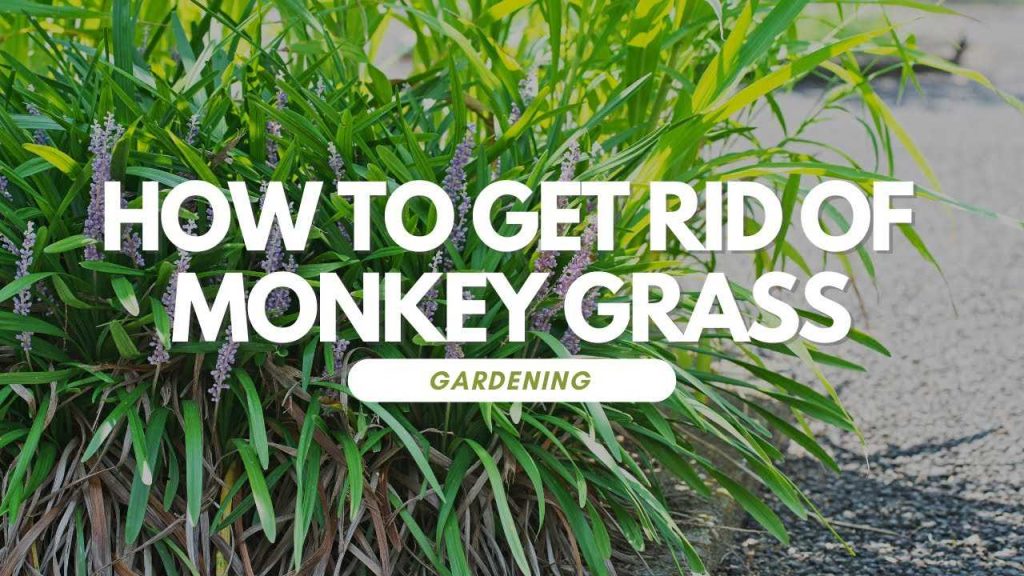
If you’re looking to eliminate monkey grass from your garden, the quickest solution is to apply a non-selective herbicide that contains glyphosate, carefully following the instructions on the label. This approach effectively kills the grass while allowing you to replant in the area afterward. Alternatively, if you prefer a more natural method, consider digging it out by hand, ensuring you remove the entire root system to prevent regrowth.
Monkey grass can be a persistent nuisance in many gardens, often spreading rapidly and choking out native plants. While its dense foliage can be appealing, its invasiveness makes it a troublesome plant for many homeowners. The task of getting rid of it may seem daunting, but with the right strategies in place, you can reclaim your garden space. Whether you choose chemical or manual methods, understanding how to effectively remove monkey grass will set you on the right path to achieving a healthier, more manageable garden.

How to Kill Monkey Grass
Monkey grass, also known as Liriope, can be a tricky plant to manage if it’s taken over your garden or yard. While it might look pretty at first, it can quickly become invasive, spreading beyond where you want it to grow. Learning how to kill monkey grass effectively can help you regain control of your space.
Understanding Monkey Grass
Before diving into removal methods, it’s essential to understand what monkey grass is. This plant is a perennial ground cover that is widely used for landscape decoration. Although it’s durable and resilient, its aggressive growth can lead to problems.
– **Appearance**: Monkey grass has long, arching leaves and purple flowers, making it appealing initially.
– **Growth**: It spreads through underground rhizomes, which means it can quickly multiply and take over an area.
Being informed about its growth patterns will help you choose the right strategy to eliminate it.
Reasons to Remove Monkey Grass
There are several reasons why you might want to consider removing monkey grass from your property. Some reasons include:
- Aesthetics: Too much monkey grass can overpower other plants and disrupt your landscape’s beauty.
- Invasiveness: It can choke out other garden plants, stealing nutrients and water.
- Maintenance: It requires ongoing care to manage its spread, which can be time-consuming.
Understanding these reasons can motivate you to take action.
Preparation for Removal
Before you start eliminating monkey grass, preparation is vital. Here are steps to follow:
– **Assess the Area**: Identify how much monkey grass you have and where it’s growing.
– **Gather Your Tools**: You will need a sharp spade, garden gloves, a shovel, and possibly a herbicide.
– **Plan for Disposal**: Have a plan in place for disposing of the removed grass. You don’t want it to spread elsewhere.
Preparation will make your removal effort more efficient.
Manual Removal Techniques
One of the most effective ways to kill monkey grass is through manual removal. Here’s how to do it:
Digging It Out
1. **Moisten the Soil**: Watering the ground a day before will soften the soil, making it easier to work with.
2. **Use a Spade**: Insert a spade around the perimeter of the plant to break the roots.
3. **Pull it Up**: Grasp the base of the grass firmly and pull it out, ensuring you get the entire root system.
Manual removal can be labor-intensive but is often the safest way to eliminate the plant without chemicals.
Cutting It Back
If the monkey grass is too dense to remove completely, consider cutting it back first.
– Use a lawnmower or garden shears to trim the grass down to the ground.
– After cutting, dig out the roots and remaining rhizomes as described above.
This can make the removal process easier.
Using Herbicides for Elimination
If manual removal seems overwhelming, herbicides can be an alternative solution. It’s essential to choose the right product to avoid harming other plants.
Selecting the Right Herbicide
When selecting an herbicide, look for products specifically designed for grassy weeds. You may want to consider:
– **Glyphosate-Based Herbicides**: These kill the entire plant, including the roots.
– **Pre-Emergent Herbicides**: These prevent new grass from sprouting.
Make sure to read the instructions carefully before use.
Applying Herbicides
1. **Follow the Instructions**: Read and follow the product label closely.
2. **Wear Protective Gear**: Always wear gloves and a mask to protect yourself from chemicals.
3. **Apply on a Calm Day**: Apply on a dry, calm day to prevent drift to other plants.
Herbicides can offer a less labor-intensive way to manage monkey grass.
Combining Techniques for Best Results
Combining manual and chemical methods often yields the best results. For instance, you might cut back the grass before applying herbicide to ensure better absorption.
– **Cut First**: Trim the grass to allow better access to the roots.
– **Apply Herbicide**: After cutting, treat the area with herbicide to kill any remaining roots.
This dual approach can help you conquer monkey grass more effectively.
Aftercare and Monitoring
Once you’ve removed the monkey grass, it’s crucial to monitor the area to prevent regrowth.
Regular Inspections
Check the area regularly for any signs of new growth. If you notice any sprouting, take action immediately by pulling them out or applying herbicide again.
– **Stay Vigilant**: Early detection is key to managing any remaining roots.
– **Document Growth**: Keep track of when you see new growth to assist in timely removal.
Replanting and Reinforcing Your Space
Once you’ve successfully killed off the monkey grass, consider replanting the area with more desirable species.
– **Choose Native Plants**: These plants can help fill the space and prevent monkey grass from coming back.
– **Mulching**: Applying mulch can help suppress new weed growth.
This step will help you maintain an attractive and healthy landscape.
Prevention Techniques
After successfully eliminating monkey grass, you’ll want to prevent it from returning. Here are a few methods to consider:
Soil Barriers
Installing soil barriers can help prevent the spread of grass.
– **Landscaping Fabric**: Place landscaping fabric under new plants to limit weed pressure.
– **Edging**: Install physical barriers like edging stones to control spread.
These barriers can be great for non-invasive plant management.
Maintaining Healthy Soil
Healthy soil is less likely to allow invasive plants to flourish.
– **Regular Maintenance**: Keep your garden maintained to avoid overcrowding.
– **Organic Matter**: Add organic matter to improve soil quality, promoting healthy plants over invasives.
This proactive measure can help in achieving a weed-free garden.
Killing monkey grass is achievable with the right techniques and ongoing care. By understanding its growth patterns, utilizing manual and chemical removal strategies, and reinforcing your space afterward, you can reclaim your garden. Remember, vigilance is your best friend in eliminating monkey grass and ensuring it doesn’t return. With a little patience and effort, you can enjoy a beautiful, monkey grass-free landscape.
How to Kill Monkey Grass — Family Plot
Frequently Asked Questions
“`html
What are the most effective methods to eliminate monkey grass?
To effectively eliminate monkey grass, consider using herbicides specifically designed to target grass. Glyphosate-based herbicides work well; apply them directly to the leaves on a dry day. You can also manually dig out the monkey grass, ensuring to remove the entire root system to prevent regrowth. Another method involves smothering the grass with black plastic or mulch for several months to block sunlight.
Can natural solutions be used to get rid of monkey grass?
Yes, natural solutions can help in managing monkey grass. Vinegar, especially at a high concentration, can kill grass when sprayed directly on the leaves. Boiling water is another effective method; pour it directly onto the monkey grass to damage its foliage and roots. Corn gluten meal acts as a natural pre-emergent herbicide which can help prevent the spread of monkey grass seeds.
How long does it take to see results after applying herbicides on monkey grass?
After applying herbicides, you usually see results within 1 to 2 weeks. The leaves will start to turn yellow and brown as they die off. However, full eradication might take several treatments, especially if the grass has established itself over a long period. Always follow the manufacturer’s instructions for best results.
Will killing monkey grass affect nearby plants?
Killing monkey grass can impact nearby plants, especially if you use systemic herbicides that move through the plant’s system. It’s important to apply herbicides carefully, targeting only the monkey grass to minimize damage to surrounding vegetation. If you’re concerned, consider using a spot treatment method or natural alternatives to protect other plants.
How do I prevent monkey grass from returning after removal?
To prevent monkey grass from returning, promptly remove any new growth you notice. Consider mulching the area to suppress future growth. Regular maintenance including mowing and edging can help keep the area clear. Additionally, applying pre-emergent herbicides can deter any seeds from germinating.
“`
Final Thoughts
To kill monkey grass effectively, consider using a combination of methods. Hand-pulling works for small patches, while mulching can suppress growth in larger areas.
Herbicides can provide a more aggressive approach, so always follow the instructions for safe application.
Regular maintenance prevents its spread, ensuring your garden stays tidy. Ultimately, knowing how to kill monkey grass allows you to reclaim your space and enjoy a flourishing landscape.