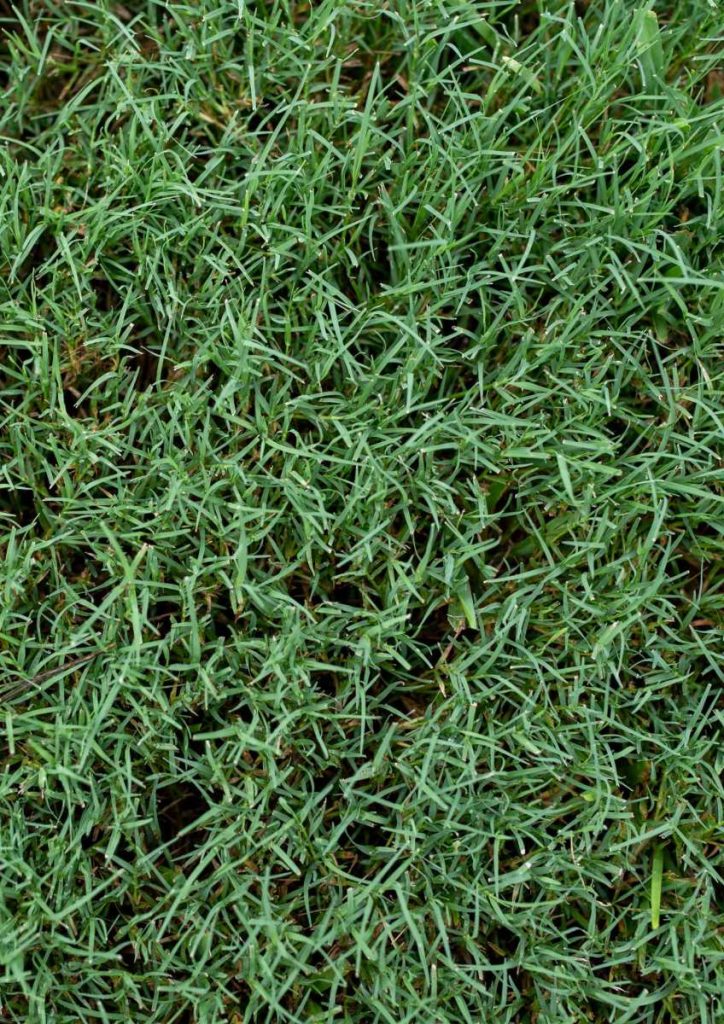
To effectively kill Bermuda grass in Kentucky bluegrass, you’ll need to combine targeted herbicide application with proper lawn care practices. Start by applying a glyphosate-based herbicide to the Bermuda grass, then follow up with overseeding your lawn with Kentucky bluegrass once the Bermuda has died back. Consistency and patience are key to ensuring the Bermuda grass is fully eliminated without harming your desirable bluegrass.
Bermuda grass can quickly invade and dominate a Kentucky bluegrass lawn, making it tough to remove. The best approach is to spot-treat the Bermuda with a selective herbicide designed to kill warm-season grasses, then re-establish your bluegrass through overseeding. Maintaining healthy, dense Kentucky bluegrass will help prevent Bermuda from creeping back in.
If Bermuda grass is overtaking your Kentucky bluegrass, it can be frustrating and challenging to control. The most efficient way to get rid of it is to use a targeted herbicide that kills Bermuda without damaging your bluegrass, followed by overseeding and proper fertilization to restore your lawn’s health. Patience and diligent lawn maintenance are essential to winning the battle against this invasive weed and keeping your lawn lush and uniform.

How to Kill Bermuda Grass in Kentucky Bluegrass
Understanding Bermuda Grass and Kentucky Bluegrass
Bermuda grass is a warm-season grass that thrives in hot weather and spreads aggressively through rhizomes and stolons. Kentucky bluegrass, on the other hand, is a cool-season grass that prefers cooler temperatures and grows slowly. When these two grasses grow together, Bermuda grass can quickly take over Kentucky bluegrass lawns. Recognizing the differences between these grasses helps in choosing the right method to eliminate Bermuda grass effectively.
Why Is Bermuda Grass Difficult to Remove?
Bermuda grass’s resilience lies in its deep root system and rapid growth. Even if you cut or pull Bermuda grass, its underground rhizomes can sprout back quickly. This persistence makes manual removal challenging, especially in established lawns. To successfully kill Bermuda grass without harming Kentucky bluegrass, you need targeted strategies that weaken its roots and prevent regrowth.
Choosing the Right Approach
Effective removal involves combining different methods such as chemical treatments, heat methods, and proper lawn care. Each approach targets Bermuda grass differently, increasing your chances of successful eradication. Before starting, assess your lawn’s condition, the extent of Bermuda grass infiltration, and your preferred approach.
Using Glyphosate-Based Herbicides
One of the most efficient ways to eliminate Bermuda grass is through the use of selective herbicides containing glyphosate. These herbicides work by being absorbed through the leaves and moving down to the roots, killing the entire plant.
Applying Glyphosate Effectively
Choose a glyphosate herbicide labeled for Bermuda grass control. Apply on a dry, calm day to prevent drift onto desirable Kentucky bluegrass. Use a sprayer for even coverage, ensuring you coat all Bermuda grass leaves thoroughly. To improve absorption, avoid watering or mowing 24 hours before application.
Repeat Treatments for Success
Since Bermuda grass can regrow from underground rhizomes, multiple treatments may be necessary. Wait at least two weeks between applications to assess progress. Persistence ensures complete eradication of Bermuda grass.
Heat Methods for Bermuda Grass Control
Using heat, such as steaming or boiling water, can destroy Bermuda grass roots without chemicals. This approach is eco-friendly and targets specific areas.
Steam Treatment
A handheld steam cleaner can be used to treat Bermuda grass patches. Hold the steamer over the grass until it wilts and turns brown. Repeat as needed until Bermuda grass is dead.
Boiling Water Method
Pour boiling water directly onto Bermuda grass growing through Kentucky bluegrass. Be cautious to avoid damaging surrounding desirable grass. This method is simple but requires careful application.
Proper Lawn Maintenance to Prevent Bermuda Grass Spread
Maintaining a healthy Kentucky bluegrass lawn discourages Bermuda grass invasions and promotes strong growth. Regular mowing, watering, and fertilizing are key.
mowing Practices
Mow at the recommended height for Kentucky bluegrass, usually around 2 to 3 inches. Taller grass shades out Bermuda grass, making it harder for it to thrive.
Watering Strategies
Deep, infrequent watering encourages deep root growth of Kentucky bluegrass. Bermuda grass prefers frequent, shallow watering, so adjusting your schedule can give your lawn an advantage.
Fertilization Tips
Apply a balanced fertilizer suitable for Kentucky bluegrass during the growing season. Healthy turf competes better against Bermuda grass and reduces its spread.
Overseeding and Lawn Renovation
Overseeding with Kentucky bluegrass helps fill in bare patches and strengthens your lawn. A dense turf limits Bermuda grass’s ability to establish.
Preparing the Lawn
Before overseeding, remove remaining Bermuda grass fragments. Aerate the soil to improve seed-to-soil contact, enhancing germination.
Sowing Kentucky Bluegrass Seed
Spread seed evenly across the lawn, following the recommended rate. Water regularly to keep the soil moist until the new grass is well established.
Covering and Mulching Techniques
Applying a layer of mulch or landscape fabric over Bermuda grass can suppress its growth while aiding in Kentucky bluegrass establishment.
Using Landscape Fabric
Lay landscape fabric over Bermuda grass patches, then overseed with Kentucky bluegrass. Water thoroughly to promote seed germination.
Applying Mulch
Spread wood mulch or other organic material over Bermuda grass. This method blocks sunlight and hinders Bermuda grass regrowth.
Smart Lawn Care Practices to Maintain a Bermuda-Free Lawn
Consistent lawn care is vital in preventing Bermuda grass from taking over again. Focus on strengthening Kentucky bluegrass to resist invasion.
Regular Mowing and Edging
Keep your grass at the proper height and trim edges regularly to prevent Bermuda grass from spreading from edges into your lawn.
Addressing Thatch and Soil Health
Remove excess thatch and improve soil drainage to foster healthy Kentucky bluegrass growth. Good soil health makes it difficult for Bermuda grass to establish.
Summary of Key Strategies
| Method | Best For | Effectiveness |
|---|---|---|
| Glyphosate Herbicide | Large Bermuda grass patches | High, requires multiple applications |
| Heat Treatment | Targeted patches | Moderate, eco-friendly |
| Manual Removal | Small areas | Low, labor-intensive |
| Proper Lawn Care | Preventing future growth | High |
| Overseeding | Reinforcing Kentucky bluegrass | Moderate to high |
Additional Tips for Success
Consistently monitor your lawn for Bermuda grass regrowth. Early detection and treatment prevent larger infestations. Patience and persistence are essential for complete eradication and maintaining a lush Kentucky bluegrass lawn.
How I'm Killing Bermuda Out Of Kentucky Bluegrass
Frequently Asked Questions
What are effective herbicides to control Bermuda grass in Kentucky bluegrass lawns?
Use selective glyphosate-based herbicides that target Bermuda grass without harming Kentucky bluegrass. Apply the herbicide during active growth periods for best results, and follow the manufacturer’s instructions carefully to prevent damage to your desirable lawn. Repeated applications may be necessary for complete eradication.
How can adjusting lawn care practices help suppress Bermuda grass invasion?
Enhance the health of your Kentucky bluegrass by maintaining proper mowing height, watering deeply but infrequently, and fertilizing appropriately. A dense, vigorous lawn can naturally outcompete Bermuda grass, reducing its spread. Regular aeration also improves soil health and grass density, making it harder for Bermuda grass to establish.
Are there natural or non-chemical methods for eliminating Bermuda grass from Kentucky bluegrass?
Manual removal involves digging out Bermuda grass patches carefully to prevent spreading. Applying thick layers of mulch or overseeding with fast-growing Kentucky bluegrass helps choke out Bermuda grass over time. These methods require patience but can effectively manage Bermuda grass without the use of chemicals.
When is the best time to treat Bermuda grass in a Kentucky bluegrass lawn?
The optimal time to treat Bermuda grass is during its active growth season, typically late spring through summer. Applying herbicides or implementing control measures during this period ensures the grass absorbs the treatment effectively. Avoid treatments during dormancy or extreme heat to prevent stress on your Kentucky bluegrass.
Can over-seeding help in managing Bermuda grass in Kentucky bluegrass lawns?
Over-seeding with high-quality Kentucky bluegrass can thicken your lawn, making it more resistant to Bermuda grass encroachment. A dense turf limits Bermuda grass’s ability to establish and spread. Regular overseeding, combined with proper lawn care, strengthens your existing grass and discourages unwanted weeds.
Final Thoughts
To kill Bermuda grass in Kentucky bluegrass, start by applying a non-selective herbicide during active growth. Wait until the Bermuda grass turns brown before physically removing it to prevent regrowth. Consistently overseed and fertilize your lawn to strengthen Kentucky bluegrass and outcompete weeds. Regular maintenance and targeted treatments will effectively control Bermuda grass and restore your lawn’s health.