Learn how to keep squirrels out of potted plants with simple, effective strategies that protect your greenery without harming wildlife. From physical barriers to natural deterrents, this guide covers everything you need to enjoy thriving container gardens in peace.
Key Takeaways
- Use physical barriers like wire mesh or cages: These block access to soil and roots, preventing digging and chewing.
- Apply natural repellents such as cayenne pepper or predator urine: These create unpleasant sensations for squirrels without chemicals.
- Choose squirrel-resistant plants like lavender or rosemary: Some herbs and flowers naturally deter rodents with strong scents.
- Elevate pots on stands or hang them: Raising plants makes them harder for squirrels to reach and less appealing.
- Distract squirrels with alternative food sources: Providing a designated feeding station redirects their attention away from your pots.
- Keep your yard clean and free of debris: Removing fallen nuts and seeds reduces overall squirrel attraction.
- Combine multiple methods for best results: Layering strategies increases effectiveness and long-term protection.
How to Keep Squirrels Out of Potted Plants
If you’ve ever walked outside to find your beautiful potted plants dug up, chewed, or knocked over, you’re not alone. Squirrels are clever, curious, and persistent—especially when it comes to tasty bulbs, fresh soil, or nesting materials. But don’t worry: there are many humane and effective ways to protect your container garden from these furry intruders.
In this guide, you’ll learn practical, step-by-step methods to keep squirrels out of potted plants—without traps or poisons. Whether you’re growing herbs on a balcony, flowers on a patio, or veggies in containers, these tips will help you reclaim your green space and enjoy your plants in peace.
Why Squirrels Target Potted Plants
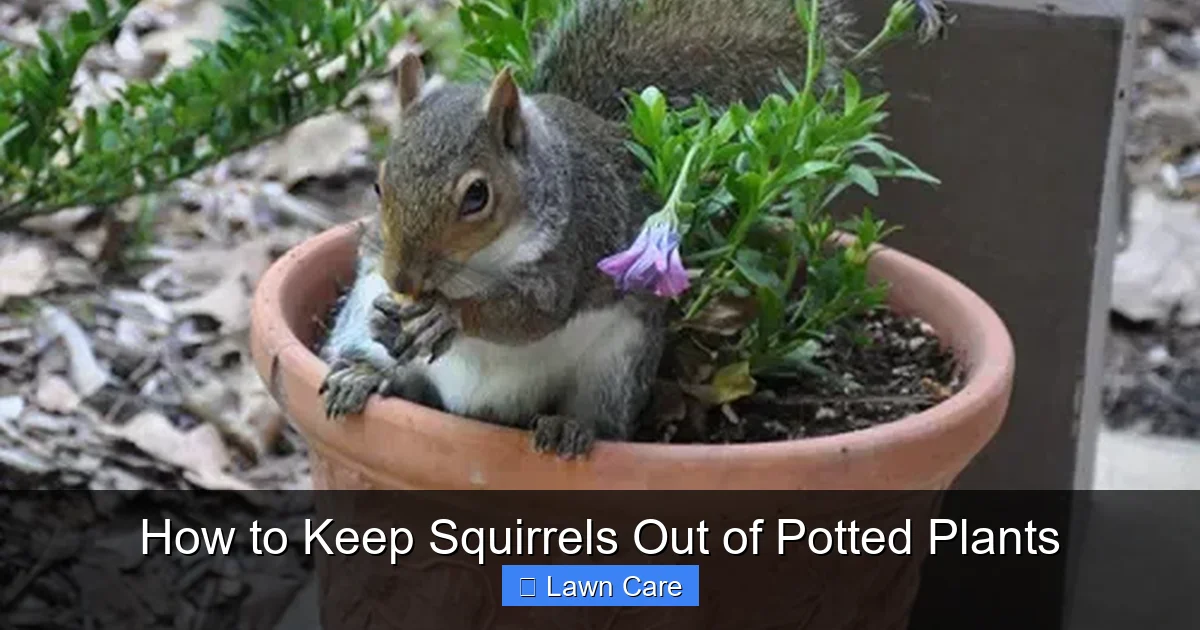
Visual guide about How to Keep Squirrels Out of Potted Plants
Image source: balconygardenweb.b-cdn.net
Before we dive into solutions, it helps to understand why squirrels are so drawn to potted plants in the first place. Squirrels are opportunistic foragers. They love loose, fresh soil because it’s easy to dig in—perfect for burying nuts or searching for grubs. They’re also attracted to certain plants, especially those with edible bulbs (like tulips or lilies) or soft stems.
Additionally, potted plants often sit at ground level or on low surfaces, making them easy targets. And once a squirrel discovers a reliable food or digging spot, it’s likely to return—and bring friends.
Understanding their behavior is the first step in outsmarting them. Now let’s get into the real solutions.
Use Physical Barriers to Block Access
One of the most reliable ways to keep squirrels out of potted plants is by installing a physical barrier. These create a literal wall between the squirrel and your plants.
Install Wire Mesh or Hardware Cloth
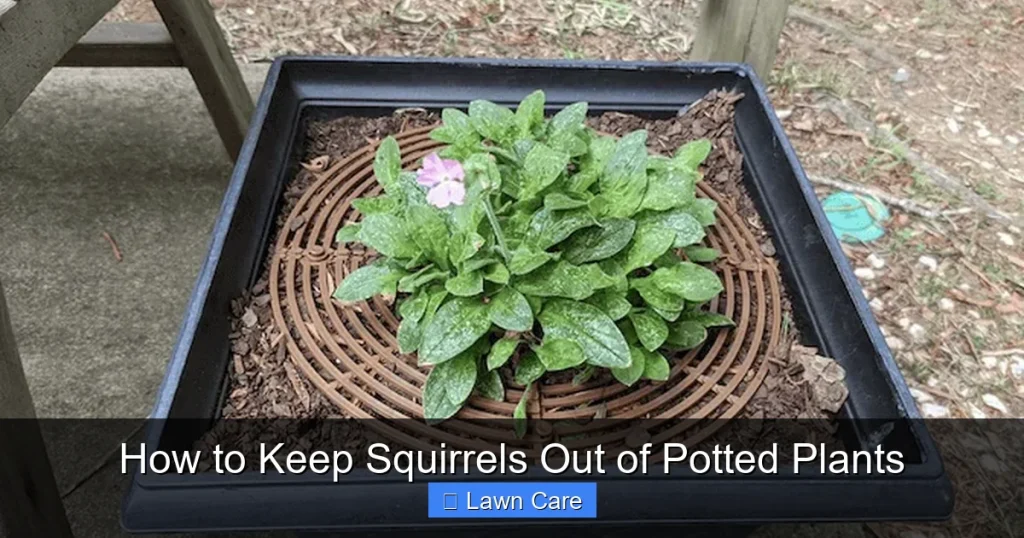
Cut a piece of ¼-inch hardware cloth or galvanized wire mesh slightly larger than the diameter of your pot. Place it over the soil surface, pressing the edges gently into the dirt. You can also shape it into a cage that fits around the entire pot.
This prevents digging and protects roots and bulbs. For extra security, secure the mesh with landscape staples or small rocks around the edges.
Use Decorative Plant Cages
Metal or plastic plant cages—often used for tomatoes or peppers—can double as squirrel deterrents. Place the cage over the pot and secure it with zip ties. Choose cages with narrow openings (less than 1 inch) to prevent squirrels from squeezing through.
Bonus: These cages also support climbing plants and add a decorative touch.
Try a Pot Cover or Dome
For smaller pots, consider using a clear plastic dome or a breathable fabric cover. These allow light and air in while keeping squirrels out. Just make sure to remove them during watering or rain to avoid mold.
Apply Natural and Safe Repellents
Repellents work by creating an unpleasant experience for squirrels—without harming them or your plants. The key is consistency and reapplication, especially after rain.
Sprinkle Cayenne Pepper or Chili Powder
Squirrels hate spicy sensations. Sprinkle a light layer of cayenne pepper or chili powder on the soil surface. Reapply every few days or after watering. Be careful not to get it on plant leaves, as it can cause irritation.
For a stronger mix, combine 1 tablespoon of cayenne with 1 quart of water and a few drops of dish soap. Spray lightly on the soil (not the plant). The soap helps the solution stick.
Use Predator Urine (Yes, Really!)
Fox or coyote urine is available at garden centers and online. It signals danger to squirrels, making them think a predator is nearby. Sprinkle granules around the base of your pots or spray a liquid version on the soil.
This method is especially effective during peak squirrel activity in fall and spring.
Try Essential Oils
Squirrels dislike strong scents like peppermint, eucalyptus, or citronella. Mix 10–15 drops of essential oil with 1 cup of water in a spray bottle. Lightly mist the soil and pot edges—avoid spraying directly on plants.
Reapply every 3–5 days. You can also soak cotton balls in the oil and place them near (but not touching) your pots.
Choose Squirrel-Resistant Plants
Some plants naturally repel squirrels due to their strong smells, tough textures, or unappealing taste. By choosing these for your containers, you reduce the chances of attracting them in the first place.
Plant Herbs with Strong Scents
Lavender, rosemary, mint, sage, and thyme are all excellent choices. Their aromatic oils confuse and deter squirrels. Plus, they’re great for cooking!
Just remember: mint spreads quickly, so keep it in its own pot.
Opt for Flowers Squirrels Dislike
Daffodils, marigolds, alliums, and snapdragons are rarely bothered by squirrels. Daffodils contain toxic compounds that rodents avoid, while marigolds emit a scent that repels many pests.
Planting these around the edges of your container garden creates a natural buffer zone.
Avoid Tasty Bulbs and Tender Greens
If you’re growing tulips, crocuses, or hostas, expect trouble. Squirrels love digging up and eating these. Instead, swap them out for less appealing options like ornamental grasses or succulents.
Elevate and Relocate Your Pots
Squirrels are agile climbers, but they prefer easy access. By raising your pots or moving them to less accessible spots, you make your plants less inviting.
Use Plant Stands or Tables
Place pots on sturdy plant stands, patio tables, or benches at least 3 feet off the ground. Choose stands with smooth legs—squirrels struggle to climb slick metal or plastic.
Avoid wooden or rough-textured legs, which they can easily grip.
Hang Your Plants
Hanging baskets are nearly squirrel-proof—if hung high enough. Use macramé hangers, wall-mounted brackets, or ceiling hooks. Aim for at least 6 feet off the ground and away from trees, fences, or railings squirrels could jump from.
Herbs, trailing flowers like petunias, and strawberries all thrive in hanging containers.
Move Pots to Enclosed or Screened Areas
If you have a screened porch, sunroom, or covered patio, move your most vulnerable plants there. Even a simple mesh screen around a plant group can deter curious squirrels.
Distract Squirrels with Alternative Food Sources
Sometimes, the best defense is a good distraction. If squirrels are hungry, give them something else to eat—far from your pots.
Set Up a Squirrel Feeding Station
Place a bird feeder or small dish filled with unsalted peanuts, sunflower seeds, or corn on the cob in a corner of your yard—away from your garden. This gives squirrels a reliable food source and reduces their interest in your plants.
Just don’t overfeed, or you might attract more squirrels than you started with!
Use Squirrel-Proof Bird Feeders
If you enjoy birdwatching, invest in a squirrel-proof bird feeder. These are designed to close off seed access when a heavy animal (like a squirrel) climbs on. This keeps birds happy and squirrels focused on the feeder—not your flower pots.
Maintain a Clean and Tidy Yard
Squirrels are attracted to clutter, fallen food, and hiding spots. A clean yard is less inviting.
Remove Fallen Nuts and Seeds
Regularly rake up acorns, walnuts, and birdseed from the ground. These are prime food sources that draw squirrels into your yard.
Trim Overhanging Branches
Squirrels use tree limbs to leap onto porches, decks, and railings. Trim back branches that hang within 6–8 feet of your potted plants.
Store Firewood and Debris Away from Plants
Piles of wood, leaves, or garden tools offer shelter and nesting spots. Keep them at least 10 feet away from your container garden.
Troubleshooting Common Problems
Even with the best efforts, squirrels can be stubborn. Here’s how to handle common issues:
Squirrels Keep Returning?
Rotate repellents every week. Squirrels can get used to the same smell or taste. Alternate between cayenne, peppermint oil, and predator urine to keep them guessing.
Plants Are Still Being Dug Up?
Double-check your barriers. Are there gaps? Is the mesh buried deep enough? Reinforce weak spots and consider adding a second layer of protection.
Repellents Wash Away in Rain?
Use granular repellents or mix liquid sprays with a natural adhesive like cornstarch. Reapply after heavy rain or watering.
My Pots Are Too Heavy to Move?
Use plant caddies with wheels. These allow you to roll heavy pots to safer locations or indoors at night.
Final Thoughts: Stay Consistent and Patient
Keeping squirrels out of potted plants isn’t about one magic fix—it’s about combining smart strategies and staying consistent. Start with physical barriers and repellents, then adjust based on what works in your space.
Remember: squirrels are smart, but you’re smarter. With a little effort, you can enjoy a thriving container garden—without sharing it with furry freeloaders.
And if you’re also dealing with other yard invaders, check out our guide on how to keep raccoons out of your yard or learn how to get rabbits out of your yard. For tips on protecting garden beds from grass invasion, visit our article on how to keep grass out of flower beds.