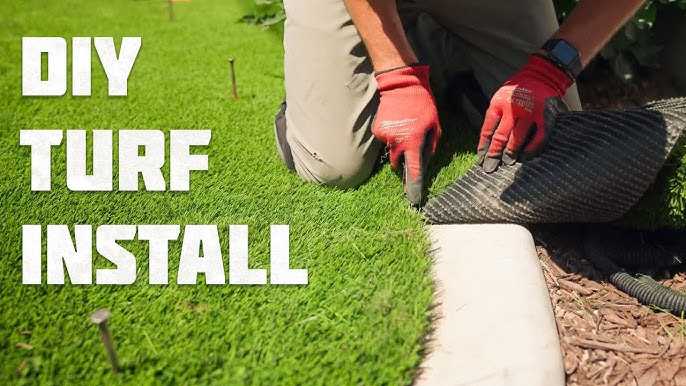
Installing fake grass is a straightforward process that can transform your outdoor space into a lush, green paradise without the hassle of maintenance. To get started, measure your area, prepare the ground by clearing any debris and leveling the surface, lay down a weed barrier, and then roll out the artificial turf. Secure the edges with spikes and ensure proper drainage. Finally, infill the turf with sand or rubber granules to keep the blades upright and enhance stability. In just a few steps, you can enjoy a beautiful, low-maintenance lawn that stays vibrant year-round.
If you’re tired of mowing, watering, and dealing with pesky weeds, fake grass might just be the perfect solution for you. This synthetic alternative provides a beautiful, green lawn year-round without the maintenance. In this guide, we’ll walk you through the entire process of installing artificial turf, from preparation to finishing touches. Whether you’re looking to revamp your backyard, patio, or play area, a synthetic lawn offers a practical and aesthetically pleasing solution that’s easy to install and enjoy. So, let’s dive into the details and get your artificial grass installation underway!

How to Install Fake Grass
Installing fake grass can be an exciting project that adds beauty and functionality to your yard. Whether you’re looking to create a lush oasis in your backyard or a safe play area for kids, this step-by-step guide will help you achieve the perfect installation. Fake grass, also known as artificial turf, is not only low-maintenance but also environmentally friendly. Let’s dive into the essential steps to install fake grass effectively.
Choosing the Right Fake Grass
Before diving into the installation process, it’s important to select the right type of fake grass. There are several factors to consider when making your choice:
- Usage: Consider how you plan to use the area. Different types of turf are designed for lawns, sports, or playgrounds.
- Blade Length: Longer blades may look more natural but can also trap more debris. Choose according to your maintenance preferences.
- Color: Fake grass comes in multiple colors. Look for shades that mimic natural grass for a more realistic appearance.
Doing thorough research before selecting the appropriate turf is essential. Visit local suppliers, check online reviews, and request samples if possible.
Preparing the Ground
Once you have chosen your fake grass, the next step is preparing the ground. This stage is crucial for ensuring a smooth installation and a long-lasting outcome.
Clearing the Area
Begin by removing any existing grass, plants, or debris from the area where you plan to install the fake grass. This can be done using a shovel or a sod cutter. Make sure to clear the area down to the soil.
Grading the Soil
After clearing the area, it’s important to grade the soil. This means leveling and sloping the ground to ensure proper drainage. If you don’t have proper drainage, water may pool under the fake grass, leading to mold or odors.
- Use a rake to level the ground.
- Ensure a slight slope away from any buildings to promote drainage.
Laying the Base Material
Creating a solid base for your fake grass is key to a successful installation. This helps with drainage and provides stability.
Choosing Base Material
The most common base materials for fake grass are crushed stone and decomposed granite. These materials help in drainage and provide a firm surface.
Applying the Base
Spread a layer of your chosen base material about 2-3 inches thick across the entire area. Use a rake to level the material evenly.
Compacting the Base
After laying down the base material, it’s essential to compact it. You can use a plate compactor to ensure it’s firm and stable. This step is crucial to prevent sinking in the future.
Installing the Fake Grass
You are now ready to install the fake grass. Here’s how to do it step-by-step.
Rolling Out the Grass
Unroll the fake grass on the prepared area. Make sure the grass edges align nicely and that it fits well without any excess over the edges.
Cutting the Grass
Use a sharp utility knife to trim the grass as needed. Be careful to cut clean lines to ensure a neat fit.
- Start at one edge and work your way across the area.
- Always cut from the back of the turf to maintain a clean edge.
Securing the Edges
To secure the edges of the fake grass, you’ll need to use landscaping stakes or adhesive. This step prevents the turf from shifting over time.
- Place stakes about every 12 inches along the edges.
- If using adhesive, apply it according to the manufacturer’s instructions.
Adding Infill Material
Infill material is an important part of the installation process. It provides weight and stability to the fake grass.
Choosing Infill
Common infill materials include silica sand or rubber granules. Each type has its own benefits, depending on your needs.
Applying Infill
Spread the infill evenly across the surface of the fake grass. Use a broom to help distribute it into the blades of the grass.
Brushing the Grass
After adding the infill, it is important to brush the grass. This will help to stand the blades up and give it a more natural look.
- Use a stiff-bristle broom to brush the surface.
- Work in multiple directions to ensure even distribution.
Final Inspection
Once you complete the installation, take some time to do a final inspection. Ensure everything is secured correctly and looks as you envisioned.
Checking for Uneven Areas
Walk around the area to spot any uneven areas or sections that need more infill. Make adjustments where necessary to ensure a smooth surface.
Cleaning Up
Finally, clean up your work area by picking up any debris or leftover materials. Dispose of these materials responsibly to maintain a clean environment.
Maintaining Your Fake Grass
Congratulations! You’ve successfully installed fake grass. Now, it’s important to understand how to maintain it for long-lasting beauty.
Regular Rinsing
To keep your fake grass looking fresh, rinse it occasionally with water. This helps remove dust, debris, and any odors that may develop.
Brushing the Grass
Regular brushing can help keep the blades upright and looking their best. Use a soft-bristle broom for this task every few weeks.
Removing Debris
Keep an eye out for leaves, sticks, and other debris. Regularly remove this debris to prevent it from breaking down and creating mold or odors.
Maintaining artificial grass is straightforward, and following these simple steps will keep your lawn looking great year-round.
By now, you have a solid understanding of how to install fake grass. From choosing the right type to the final touches of maintenance, you are well-equipped for your project. Enjoy your new, beautiful, low-maintenance lawn for years to come!
How to install artificial grass?
Frequently Asked Questions
What tools do I need to install fake grass?
To install fake grass, you’ll need several tools to ensure a smooth process. Gather a utility knife or carpet cutter for cutting the grass, a ruler or measuring tape for accurate measurements, a shovel for removing existing grass or debris, and a rake for leveling the ground. Additionally, you may want to have a hammer or mallet, landscape staples, and a broom for cleaning up afterwards.
How do I prepare the ground before installing fake grass?
Before installing fake grass, you need to prepare the ground properly. Start by removing any existing grass, weeds, or debris from the area. Next, level the ground by using a rake to create a smooth surface. If you have drainage issues, consider adding a layer of crushed stone or gravel to improve water flow. Finally, compact the surface to create a solid base for the grass installation.
How do I secure the fake grass in place?
To secure the fake grass, use landscape staples or nails around the perimeter of the area. Make sure to place them every few inches to prevent shifting. If you’re working with larger sections, you can also apply adhesive or seam tape between pieces to create a seamless look. Ensure that the edges are properly secured to maintain the integrity of the grass.
Can I install fake grass over concrete or asphalt?
Yes, you can install fake grass over concrete or asphalt. However, it’s essential to create a proper drainage system to prevent water from pooling. This involves adding a layer of shock-absorbing mat or crushed stone underneath the grass. Ensure that the surface is clean and free of debris before laying down the grass. This method can provide a great solution for balconies, patios, or other hard surfaces.
What maintenance is required for fake grass after installation?
Maintaining fake grass is relatively simple and requires minimal effort. Regularly remove debris like leaves or twigs with a broom or leaf blower. Occasionally, rinse the grass with water to eliminate dust and allergens. If you notice any flattened areas, you can use a stiff broom to fluff up the fibers. In case of spills or stains, clean the area with mild soap and water.
Final Thoughts
To install fake grass, start by preparing the ground where you plan to lay it. Remove any existing grass, debris, and ensure the area is level.
Next, lay down a weed barrier and secure it in place to prevent any unwanted growth. Cut the fake grass to fit the area, leaving a small margin for adjustments.
Finally, secure the edges with stakes or adhesive and brush the grass to enhance its appearance. Following these steps will help you successfully learn how to install fake grass in your outdoor space.