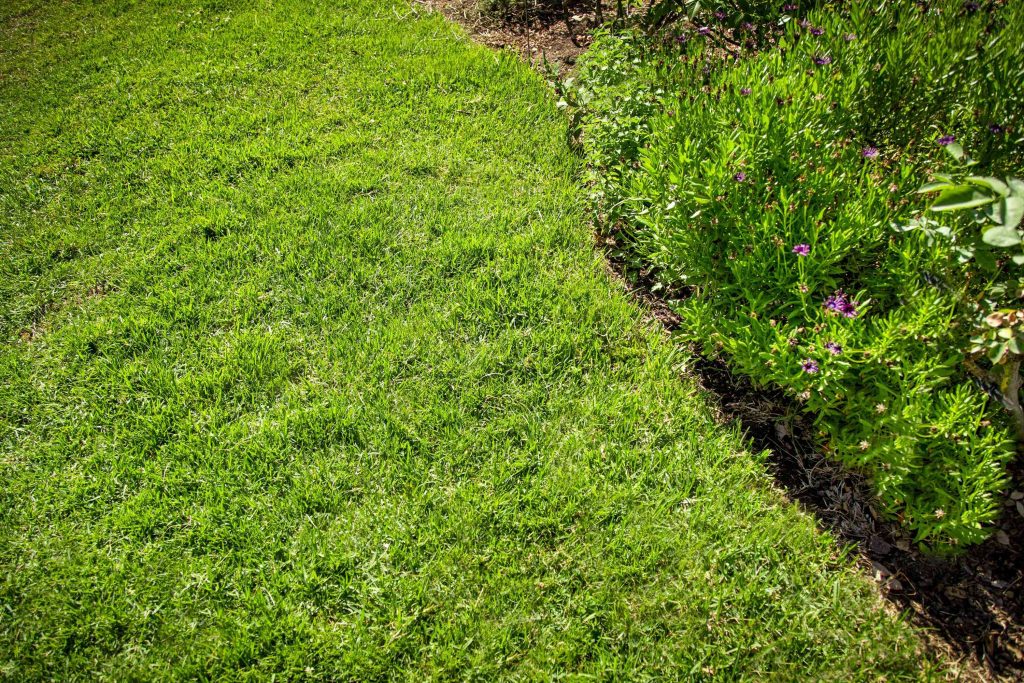
Growing St. Augustine grass is a straightforward process that can yield a lush, green lawn with proper care. To get started, choose a sunny location with well-drained soil and ensure you prepare the area by removing any weeds or debris. You’ll want to plant St. Augustine grass during the warm months, ideally in late spring or early summer, when the temperatures are consistently above 70°F. Regular watering, fertilizing, and mowing at the right height are essential for encouraging healthy growth. Keep an eye out for pests and diseases, and tackle any issues promptly. With dedication and the right techniques, you’ll enjoy a vibrant, healthy lawn that enhances your home’s curb appeal and provides a tranquil space for outdoor activities.

How to Grow St Augustine Grass
Growing St Augustine grass is an excellent choice for homeowners seeking a lush, green lawn that thrives in warmer climates. This grass is known for its rich color and dense growth, making it an ideal option for lawns, parks, and golf courses. In this guide, we will explore everything you need to know about cultivating St Augustine grass, from soil preparation to ongoing care.
Understanding St Augustine Grass
St Augustine grass, scientifically known as *Stenotaphrum secundatum*, is a warm-season grass famous for its broad, flat blades and dark green hue. This grass variety is primarily found in the southern United States, where it flourishes in sunny conditions.
Here are some characteristics of St Augustine grass:
- Thrives in temperatures between 80°F and 100°F.
- Prefers well-drained, sandy soils but can adapt to different soil types.
- Requires moderate to high amounts of water.
Understanding these traits helps in creating the optimum environment for growth.
Choosing the Right Variety
Different varieties of St Augustine grass exist, and selecting the right one for your area is crucial. Here are a few popular varieties:
- Floratam: Known for its drought resistance and tolerance to pests.
- Palmetto: A shade-tolerant variety that requires less maintenance.
- Raleigh: Adaptable to cooler climates and known for its dark green color.
Each variety has unique qualities, so consider your climate and the grass’s intended use when making your selection.
Preparing the Soil
Soil preparation is an essential step before planting St Augustine grass. Follow these steps to ensure healthy growth:
Testing Soil pH
Before you begin, test your soil’s pH to determine its acidity or alkalinity. St Augustine grass thrives best in soil with a pH between 6.0 and 7.0. You can purchase a soil testing kit at any gardening store.
Clearing the Area
Remove any debris, rocks, or old grass from the planting area. This creates a clean slate for the new grass to take root.
Improving Soil Quality
To enhance soil quality, consider adding organic matter such as compost. This improves drainage and provides essential nutrients for grass growth. Aeration may also be beneficial for compacted soil.
Selecting the Planting Method
There are two primary ways to plant St Augustine grass: sod and seed. Each has its advantages.
Sodding
Sodding involves laying pre-grown grass on the soil. This method gives instant coverage and quick results. Here’s how to sod correctly:
- Lay sod in a staggered pattern to prevent seams from aligning.
- Water the sod immediately after installation.
- Avoid walking on the sod for at least two weeks to allow it to establish roots.
Seeding
While not as common for St Augustine grass, seeding is an option. It involves spreading seeds evenly over prepared soil. This method may take longer to establish.
- Sow seeds in spring or early summer for optimal growth.
- Keep the soil consistently moist until the grass is established.
Watering Requirements
Watering is critical for St Augustine grass. Without the right amount of moisture, it can struggle to thrive.
Initial Watering
After planting, water the grass thoroughly. During the first few weeks, aim to keep the soil damp, but avoid overwatering.
Ongoing Watering Schedule
Once established, St Augustine grass requires about 1 to 1.5 inches of water per week. You can adjust this depending on rainfall and temperature conditions.
Fertilizing St Augustine Grass
Fertilization is vital to promote healthy growth. The grass benefits from regular feeding throughout the growing season.
Choosing the Right Fertilizer
Select a nitrogen-rich fertilizer or one specifically formulated for St Augustine grass. Look for a balanced N-P-K ratio like 15-5-10.
Application Timing
Fertilize your lawn in early spring and again in late summer. Be careful not to over-fertilize, as this can damage your grass.
Mowing Techniques
Mowing is essential for maintaining a healthy lawn. The right mowing techniques promote thicker growth.
Mowing Height
St Augustine grass should be mowed at a height of 2.5 to 4 inches. This height helps shade the roots and retain moisture.
Mowing Frequency
Mow your lawn regularly, removing no more than one-third of the grass height at a time. This practice prevents stress on the grass and promotes healthy growth.
Pest and Disease Management
St Augustine grass can be susceptible to various pests and diseases. Staying vigilant can prevent serious issues.
Common Pests
Some pests to watch for include:
- Chinch bugs
- Armyworms
- Grubs
Using insecticides or natural treatments can help manage these pests effectively.
Preventing Diseases
St Augustine grass can suffer from fungal diseases, particularly in warm, humid conditions. To prevent these issues:
- Avoid excessive watering and humidity.
- Ensure proper air circulation by mowing regularly.
- Apply fungicides if necessary.
Seasonal Care for St Augustine Grass
Caring for your St Augustine grass changes with the seasons.
Spring Care
As temperatures rise, it’s time to prepare for growth. Start with fertilizing and establishing a watering schedule.
Summer Care
In summer, monitor your lawn for signs of drought stress. Adjust watering to keep your grass hydrated during hotter months.
Fall Care
As the growing season ends, it’s essential to perform a final mowing and fertilizer application. This helps prepare the grass for winter dormancy.
Winter Care
In winter, avoid heavy foot traffic on your lawn. Allow the grass to rest and recover before the next growing season.
Proper care ensures that your St Augustine grass remains healthy year-round.
Growing St Augustine grass can be a rewarding endeavor when you follow these guidelines. With diligent care and a bit of patience, you can achieve a vibrant lawn that enhances your home’s beauty. Create the best environment by focusing on soil quality, watering, and regular maintenance. Your efforts will yield a lush, green landscape that everyone can enjoy.
#1 Mistake You Make Growing St Augustine Grass
Frequently Asked Questions
What type of soil is best for St. Augustine grass?
St. Augustine grass thrives in well-draining, sandy loam soil. This type of soil provides the right balance of drainage and moisture retention. Ensure that the soil pH remains between 6.0 and 7.5 for optimal growth. Conduct a soil test to identify nutrient levels and amend the soil as necessary to create the best environment for your grass.
When is the best time to plant St. Augustine grass?
The ideal time to plant St. Augustine grass is during the warm months, preferably between late spring and early summer. This timeframe allows the grass to establish its roots before colder weather arrives. Aim for soil temperatures of at least 70°F for successful germination and growth.
How frequently should I water St. Augustine grass?
Water St. Augustine grass regularly, aiming for about 1 to 1.5 inches of water per week. Adjust the frequency based on rainfall and temperature. Early morning is the best time to water, allowing the grass to dry out during the day, which helps prevent disease. Avoid watering in the evening to reduce the risk of fungal growth.
What nutrients does St. Augustine grass need?
St. Augustine grass requires essential nutrients such as nitrogen, phosphorus, and potassium. A balanced fertilizer with a nitrogen-rich formula will support healthy growth. Apply fertilizer 2 to 3 times a year, following the manufacturer’s recommendations for application rates. Regular feedings help maintain vibrant color and thickness in the grass.
How can I control pests and diseases in St. Augustine grass?
Monitor your lawn regularly for signs of pests and diseases, such as discoloration or unusual growth patterns. Use integrated pest management (IPM) strategies, which include cultural practices, biological control, and the selective use of pesticides when necessary. Maintaining a healthy lawn through proper watering, mowing, and fertilization reduces the chances of pest infestations and disease outbreaks.
Final Thoughts
To grow St. Augustine grass successfully, start by selecting a suitable location with plenty of sunlight and well-drained soil. Prepare the area by removing debris and aerating the soil to encourage root growth.
Next, plant the grass using sod or plugs, ensuring they are spaced properly for optimal coverage. Water the new grass regularly while it establishes, but avoid overwatering to prevent disease.
Finally, maintain your St. Augustine grass by mowing it at the right height and applying fertilizer as needed. Following these steps will help you grow St. Augustine grass lush and healthy.