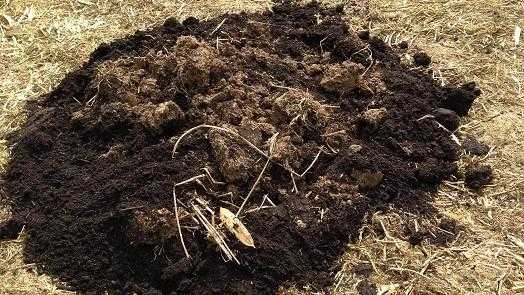
To boost the organic matter in your lawn soil quickly, start by regularly adding compost, organic mulch, and grass clippings. Aerate your soil to improve aeration and water absorption, and avoid over-using chemical fertilizers that can deplete natural nutrients. These simple yet effective steps can significantly enhance soil health, leading to a lush, green lawn.
Increasing organic matter in your lawn soil is essential for maintaining healthy, resilient grass. Organic matter improves soil structure, enhances nutrient retention, and encourages beneficial microbial activity. You can achieve this by regularly adding organic materials like compost, peat moss, or shredded leaves. Aeration helps improve soil aeration and water penetration, while avoiding excessive chemical fertilizers prevents the breakdown of organic content. Consistent care and organic additions will gradually transform depleted soil into a fertile, thriving foundation for a beautiful lawn.

How to Increase Organic Matter in Lawn Soil
Adding organic matter to your lawn soil is a vital step for creating a healthy, lush, and thriving yard. Organic matter improves soil fertility, enhances moisture retention, and promotes beneficial microbial activity. By understanding how to boost organic content, you can turn your lawn into a vibrant green space that requires fewer chemical inputs and less watering.
Understanding the Importance of Organic Matter in Lawn Soil
Organic matter consists of decomposed plant and animal materials. It contributes essential nutrients that plants need to grow strong and healthy. A soil rich in organic matter also supports soil structure, making it easier for roots to penetrate and access nutrients.
Healthy organic levels help prevent problems like soil compaction and nutrient runoff. They also increase the soil’s ability to retain moisture, which is especially important during dry periods.
Assessing Your Lawn’s Current Organic Matter Level
Before starting any soil improvement practices, it’s useful to know your soil’s current status. You can do this by conducting a soil test through local extension services or using DIY kits available at garden centers.
Soil tests will reveal nutrient levels, pH balance, and organic matter content. If your organic matter is below 3%, it’s a good idea to focus on methods to boost it for better soil health.
Adding Organic Materials to Your Lawn
Composting
Compost is one of the best ways to add organic matter to your soil naturally. It contains decomposed plant waste, kitchen scraps, and manure, rich in nutrients. Spread a thin layer of compost over your lawn in the fall or spring.
Ensure the compost is well-aged and free of weeds or pests. Incorporate it lightly into the top few inches of soil for optimal results.
Applying Organic Mulch
Organic mulches like wood chips, straw, or shredded leaves help improve soil over time. They decompose slowly and add organic matter gradually. Spread mulch evenly over bare spots or around plants, avoiding coverage on the grass itself.
As mulch breaks down, it releases nutrients back into the soil, promoting microbial activity and organic content.
Using Cover Crops
Planting cover crops such as clover, vetch, or legumes is an effective method for increasing organic matter naturally. These plants fix nitrogen and add organic residues when they are cut and left to decompose.
Incorporate cover crop residues into the soil by lightly tilling or raking them into the surface. This process enriches your soil and reduces erosion.
Enhancing Organic Matter Through Lawn Management
Grass Clippings Recycling
Leaving grass clippings on your lawn is a simple method to boost organic content. Clippings decompose quickly and return valuable nutrients to the soil.
Make sure to mow at the correct height and avoid clippings that are too thick, which can smother the grass. Regular recycling of grass clippings creates a natural, nutrient-rich environment.
Aeration and Overseeding
Core aeration improves soil porosity, allowing organic materials and water to penetrate deeper. It also helps reduce compaction, making room for organic matter to integrate into the soil.
Overseeding after aeration encourages denser turf growth, which contributes organic residues as the grass matures and dies back.
Choosing Organic Soil Amendments
Organic Fertilizers
Use organic fertilizers like composted manure or bone meal to supply nutrients and organic matter. These fertilizers release nutrients slowly, promoting healthy microbial activity.
Always follow recommended application rates to prevent over-fertilization and potential runoff issues.
Biochar and Other Amendments
Biochar, a form of charcoal, improves soil structure and enhances organic matter levels. It is highly porous and retains nutrients and moisture effectively.
Incorporate biochar by mixing it into your soil, especially in areas needing improved drainage or nutrient retention.
Maintaining Long-Term Organic Matter Levels
Consistent organic inputs are essential for maintaining high organic matter levels. Regularly add compost, mulch, or cover crops to keep the soil rich and healthy.
Monitor your soil annually, and adjust your practices based on test results. Avoid over-tilling, which can disturb microbial communities and organic deposits.
Additional Tips for Growing Organic Matter in Your Lawn
- Water wisely: Avoid overwatering, which can wash away organic nutrients.
- Minimize chemical use: Organic practices foster natural soil improvement and protect beneficial microbes.
- Practice patience: Building organic matter takes time, typically several seasons, but the results are worth the effort.
Related Topics for Healthy Lawn Soil
Understanding Soil pH and Its Effect on Organic Matter
Maintaining the correct pH level (usually between 6.0 and 7.0 for lawns) ensures nutrients from organic materials are accessible to grass roots.
How Soil Microbes Help Organic Matter Decomposition
Healthy microbial populations break down organic residues and release nutrients, making them available for your lawn’s growth.
Seasonal Lawn Care for Organic Soil Improvement
Applying organic amendments during spring or fall maximizes decomposition and nutrient release. Adjust your lawn care practices based on seasonal needs.
By consistently adding organic materials and improving soil conditions, you can significantly increase the organic content in your lawn soil. This leads to healthier, greener grass with less need for synthetic fertilizers and watering. Over time, your lawn will become more resilient and environmentally friendly, providing a beautiful outdoor space you can enjoy year-round.
Frequently Asked Questions
What types of organic materials can I add to improve my lawn soil?
Adding a variety of organic materials such as compost, aged manure, peat moss, and shredded leaves can significantly enhance the organic content of your lawn soil. These materials decompose over time, enriching the soil with nutrients and improving its structure, which supports healthy root growth and better water retention.
How often should I amend my lawn soil with organic matter?
Incorporate organic amendments into your lawn at least once or twice each year, preferably during the early spring or fall. Regular additions help maintain consistent organic matter levels, improve soil aeration, and foster a healthier environment for grass roots.
What practices can I adopt to gradually increase organic matter in my soil?
Implement practices such as mulching grass clippings, leaving fallen leaves on the lawn, and applying compost topdressings. These methods allow organic material to break down naturally, gradually boosting soil richness and supporting sustainable lawn health.
Are there specific lawn care techniques that promote organic matter accumulation?
Yes, aerating your lawn helps improve soil porosity, allowing organic matter to infiltrate more deeply. Additionally, avoiding overuse of chemical fertilizers encourages natural decomposition processes and microbial activity necessary for building organic content.
Can compost tea benefit my efforts to increase organic matter in the soil?
Applying compost tea introduces beneficial microbes that help break down organic materials and improve soil health. Regularly using compost tea can accelerate organic matter decomposition and enhance nutrient availability in your lawn soil.
Final Thoughts
To increase organic matter in lawn soil, add compost regularly to enrich nutrients. Aerate the soil to improve air circulation and promote microbial activity. Maintain a consistent watering schedule to support organic material decomposition.
Incorporate mulch and organic amendments to boost soil health and structure. Using these methods consistently enhances soil quality and promotes a lush, healthy lawn.
How to increase organic matter in lawn soil involves integrating compost, aeration, watering, and organic amendments, which collectively improve soil fertility and lawn vigor.