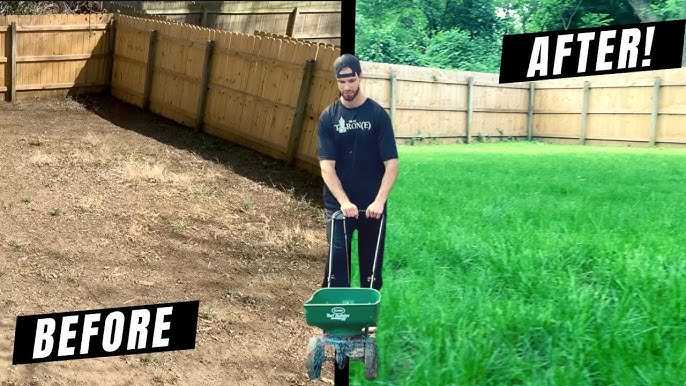
Growing a lawn from scratch might seem daunting, but with the right steps, it can be a rewarding DIY project. To start, you’ll need to assess your soil quality, choose the right type of grass for your climate, and prepare the area by removing weeds and debris. Once the soil is ready, sow your seeds evenly and water them gently to promote healthy growth. Remember, patience is key; maintaining your lawn during its early stages is crucial for success. By following this guide and learning from the experiences shared, you’ll turn that bare patch of dirt into a lush green lawn you’ll be proud of in no time. Let’s get started on this exciting journey to transform your outdoors!

How to Grow a Lawn From Scratch (DIY Guide + Lessons Learned)
Growing a lawn from scratch is an exciting project that can beautify your outdoor space while providing a lush area for relaxation and play. If you’re ready to dig in, this guide will walk you through each step needed to create a vibrant lawn.
Understanding the Basics of Lawn Care
Before starting your lawn project, it’s essential to understand a few basic concepts. A great lawn requires three key elements: soil, seed, and water. Each of these components plays a crucial role in ensuring your grass will thrive.
– **Soil**: Healthy soil is the bedrock of a successful lawn. It needs to be nutrient-rich and well-draining to support grass growth.
– **Seed**: Choosing the right type of grass seed for your climate and intended use is vital. Different grasses thrive in different environments.
– **Water**: Consistent watering will help your grass get established. However, overwatering can lead to problems like disease and shallow roots.
Choosing the Right Time to Plant
Timing your seeding is just as important as the seeds you choose. Generally, the best time to plant grass seed is during the spring or fall, when temperatures are moderate and rainfall is more predictable.
Spring Planting
In spring, aim to plant your seeds once the ground has thawed and temperatures consistently stay above 60°F. This will give your lawn the best chance to establish itself before the heat of summer.
Fall Planting
Fall is an excellent time, particularly for cool-season grasses. Plant your seeds about 6 to 8 weeks before the first expected frost. This allows the seeds to germinate and establish roots before winter sets in.
Preparing the Soil
Once you’ve decided on the timing, the next step is to prepare your soil. Here’s how you can get your soil ready for seeding.
1. **Clear the Area**: Start by removing any debris, rocks, or old sod. This will create a clean slate for your new lawn.
2. **Test the Soil**: Conducting a soil test can help you determine pH levels and nutrient content. Adjust the soil based on the results to create the best environment for growth.
3. **Amend Your Soil**: If your soil is lacking nutrients, mix in organic matter such as compost. This improves soil structure and drainage.
4. **Rake and Level**: Use a rake to level the area, removing any bumps or uneven spots that could interfere with seed growth.
Selecting the Right Grass Seed
Choosing the right type of grass seed is crucial for a successful lawn. Consider these factors when selecting your grass seed:
– **Climate Zone**: Different grasses thrive in various climates. For instance, Kentucky bluegrass is ideal for cooler areas, while Bermuda grass prefers warmer climates.
– **Sunlight Exposure**: Observe how much sun your lawn area receives. Some grasses tolerate shade better than others.
– **Use**: If the lawn will receive heavy foot traffic, choose durable varieties that can withstand wear.
Seeding Techniques
Now that your soil is prepared and you have your grass seed, it’s time to sow! Here are a few methods to consider:
Broadcast Seeding
This is the most common method. Simply spread the seeds evenly across the area using a broadcast spreader. Ensure even coverage for the best results.
Hydroseeding
Hydroseeding involves mixing seeds with water and fertilizer in a specialized tank, which is then sprayed over the lawn area. This method is suitable for larger areas or sloped landscapes.
Watering Your New Lawn
After seeding, watering is vital for germination. Here’s how to effectively water your new lawn:
– **Initial Watering**: Water the area immediately after sowing. The soil should be moist but not soggy.
– **Daily Watering Schedule**: For the first couple of weeks, water lightly once or twice a day to keep the soil moist.
– **Gradual Reduction**: As the grass grows, reduce watering to promote deeper root development. Aim for about an inch of water per week.
Signs of Overwatering
Watch for signs of overwatering, such as pooling water or yellowing grass. Adjust your watering schedule as needed.
Maintaining Your New Lawn
Once your grass starts to grow, it’s important to maintain it properly. Regular care will help your lawn thrive.
Regular Mowing
Start mowing when the grass reaches about one-third taller than your desired height. This encourages thicker growth and discourages weeds.
Fertilizing
Fertilize your lawn every 4 to 6 weeks using a high-quality turf fertilizer. This will give your grass the nutrients it needs to grow strong and green.
Weed Control
Weeds can be a significant problem for new lawns. Regularly check for and remove weeds by hand or use organic herbicides as necessary.
Lessons Learned from DIY Lawn Projects
Embarking on a DIY lawn project comes with valuable lessons. Here are a few insights from those who have successfully grown lawns from scratch:
– **Patience is Key**: Grass takes time to grow. Don’t be discouraged if you don’t see instant results.
– **Soil Quality Matters**: Investing time in preparing your soil pays off. Healthy soil leads to a healthy lawn.
– **Follow Best Practices**: Stick to recommended watering and fertilization schedules to achieve the best outcome.
Common Mistakes to Avoid
Here are some common pitfalls to watch out for during your lawn-growing journey:
– **Skipping Soil Testing**: Failing to test your soil can lead to poor growth due to pH and nutrient imbalances.
– **Overseeding**: Throwing too much seed can lead to overcrowding. Follow the recommended seed rates on the package.
– **Neglecting Lawn Care**: Once your grass is growing, do not neglect its care. Regular maintenance is crucial.
Long-Term Care for Your Lawn
After successfully establishing your lawn, long-term care is essential to keep it healthy. Here are some strategies for ongoing maintenance:
– **Seasonal Aeration**: Aerating the soil once a year helps roots grow deeply and improves drainage.
– **Overseeding**: Every few years, overseed your lawn to fill in patches and keep it lush.
– **Proper Irrigation**: During hot summer months, ensure your lawn receives adequate water. Invest in a sprinkler system if necessary.
Creating a lawn from scratch can be a fulfilling experience. By understanding the essential steps from soil preparation to long-term care, you can cultivate a beautiful green space. Remember to nurture your lawn and be patient. Over time, your hard work will pay off, providing you with a vibrant lawn to enjoy for years to come.
How to Grow a Lawn From Scratch (DIY Guide + Lessons Learned)
Frequently Asked Questions
What are the best types of grass to choose for a new lawn?
Selecting the right grass type depends on your climate and the lawn’s intended use. For cooler climates, Kentucky bluegrass and fescue thrive, while Bermuda and Zoysia grasses excel in warmer regions. Consider sun exposure as well; some grasses prefer full sun, while others tolerate shade better. Assess your local conditions to make the best choice.
How can I prepare the soil before planting grass seeds?
Start by removing any existing weeds and debris from the area. Test the soil’s pH to ensure it’s suitable for grass growth; most grasses prefer a pH between 6.0 and 7.0. Loosen the soil by tilling it to a depth of about 3-4 inches. Incorporating organic matter, like compost, improves soil fertility and drainage, creating an ideal environment for new grass.
What should I do to maintain my new lawn in the first few months?
Water the newly planted seeds regularly to keep the soil consistently moist, but avoid overwatering, which can lead to disease. Mow the grass to maintain an appropriate height, typically around 3 inches, as it grows. Apply a starter fertilizer about 4-6 weeks after planting to provide essential nutrients and encourage healthy growth. Keep an eye out for pests and diseases, addressing any issues promptly.
How long does it typically take for grass seeds to germinate?
The germination time for grass seeds varies by type, but most seeds take about 7 to 21 days to sprout. Factors like soil temperature, moisture levels, and grass type influence this timeframe. Warm-season grasses generally germinate faster in warmer soil, while cool-season varieties thrive in cooler conditions.
What common mistakes should I avoid when growing a lawn from scratch?
Avoid over-seeding, which can lead to competition for resources. Planting seeds too deep can hinder germination, so follow recommended planting depths. Do not neglect soil preparation, as poor soil conditions can stunt growth. Lastly, refrain from mowing too early; wait until the grass reaches a height of about 3 inches to prevent stress on young plants.
Final Thoughts
Growing a lawn from scratch requires careful planning and execution. By following the steps outlined in “How to Grow a Lawn From Scratch (DIY Guide + Lessons Learned)”, you can ensure a thriving green space. Pay attention to soil preparation, choosing the right grass type, and maintaining proper watering and mowing techniques for best results.
Through this process, you will learn valuable lessons that improve your lawn care skills. Enjoy the satisfaction of watching your efforts blossom into a beautiful lawn that enhances your outdoor space.