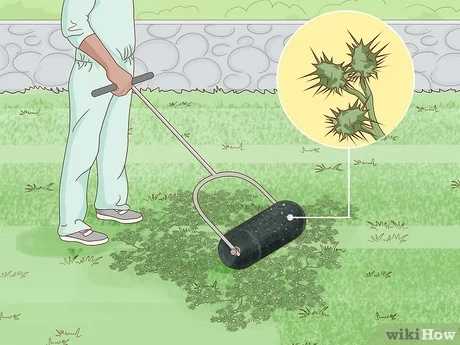
If you’re tired of dealing with those pesky grass burrs in your yard, you’re not alone! These prickly nuisances can make walking barefoot a painful experience and can ruin the enjoyment of your outdoor spaces. So, how do you get rid of them? The quickest solution is to pull them out by the roots or use a selective herbicide that targets the burrs without harming your grass. However, prevention is key! Regular mowing, maintaining a healthy lawn, and ensuring proper watering can significantly reduce the chances of grass burrs taking over. In this article, we’ll explore effective methods to eliminate grass burrs while keeping your lawn lush and healthy. Let’s dive in and reclaim your yard from these unwanted invaders!

How to Get Rid of Grass Burrs
Grass burrs can be a nuisance for many homeowners and gardeners. Their sharp spines can stick to clothing, pets, and even skin, making outdoor activities a lot less enjoyable. The first step in addressing this problem is understanding what grass burrs are and how they thrive in your yard.
What Are Grass Burrs?
Grass burrs are the seed pods of certain grass species, notably the **Cenchrus** family. They have a unique structure that allows them to attach to anything that brushes against them. This helps them spread across large areas.
Why Are Grass Burrs a Problem?
Grass burrs can create several issues, such as:
- They make walking barefoot unpleasant.
- They can harm pets by getting caught in their fur or paws.
- They reduce the aesthetic appeal of your lawn or garden.
Understanding these problems will motivate you to take effective action against them.
Identifying Grass Burrs in Your Lawn
Before you can tackle grass burrs, you need to identify them. They typically appear in late summer or early fall. Look for:
- Spiky seed pods that are green or brown.
- Clumps of coarse grass.
- Areas with poor soil or too much moisture.
Knowing how to spot them early can save you time and energy later.
Preventing Grass Burrs
Prevention is always better than cure. Here are effective ways to keep grass burrs at bay:
- Maintain a healthy lawn by fertilizing and watering regularly.
- Mow your lawn to the appropriate height to discourage weeds.
- Utilize mulch around flower beds and gardens to suppress weed growth.
Taking these steps can significantly decrease the chances of grass burrs taking hold.
Natural Remedies for Grass Burrs
If you already have grass burrs in your yard, consider these natural methods to eliminate them:
- Apply vinegar on affected areas. It acts as a natural herbicide.
- Use boiling water on clusters of grass burrs to kill them quickly.
- Mix salt and water to create a solution that can deter their growth.
These remedies are both effective and safe for the environment.
Commercial Herbicides for Grass Burr Control
Many homeowners prefer commercial solutions. Here are some effective herbicides:
- Pre-emergent herbicides: These prevent grass burr seeds from germinating.
- Post-emergent herbicides: These kill existing grass burrs, but ensure they are safe for your grass type.
Always read the product’s label to ensure proper usage.
How to Properly Apply Herbicides
Application is key to effective herbicide treatment. Follow these steps:
- Choose a calm day to prevent drift onto desirable plants.
- Wear protective clothing to avoid contact with skin.
- Water your lawn a few days before application to ensure effectiveness.
Proper application can lead to better results and fewer side effects.
Mechanical Removal of Grass Burrs
For those who prefer a hands-on approach, mechanical removal can be effective. Techniques include:
- Using a thatching rake to remove the burrs from your lawn.
- Hand-pulling grass burrs can be tedious but effective in small areas.
Mechanical solutions require patience, but they offer immediate results.
Maintain Lawn Health to Deter Grass Burrs
A healthy lawn can act as a natural deterrent to grass burrs. Here are some practices to consider:
- Regularly aerate your lawn to improve soil health and drainage.
- Fertilize based on soil tests to ensure balanced nutrients.
- Choose a grass type that thrives in your area’s conditions.
Focusing on the overall health of your lawn will keep it robust and less prone to weed invasions, including grass burrs.
When to Tackle Grass Burrs
Timing is crucial when dealing with grass burrs. Follow these guidelines:
- Begin treatments in early spring before seeds germinate.
- Monitor your lawn regularly for signs of grass burr growth.
- Address infestations immediately as they appear.
Addressing grass burrs promptly can prevent larger infestations.
Working with Professionals
Sometimes, it’s beneficial to consult professionals. Consider hiring a lawn care service if:
- You have a large area to cover.
- Your methods have not been successful.
- You want to ensure safe and effective treatments.
Professionals have the expertise and resources to handle tough infestations.
Long-Term Strategies for Grass Burr Management
Combating grass burrs is not just about one-time efforts. Consider implementing these long-term strategies:
- Create a lawn care schedule to keep your grass healthy year-round.
- Educate yourself about local weeds and the best treatment methods.
- Engage in community gardening groups to share experiences and solutions.
Long-term planning provides a sustainable approach to lawn care.
Why Community Involvement Matters
Getting involved in your local gardening community can yield benefits like:
- Sharing knowledge and strategies for managing grass burrs.
- Access to local resources, such as soil testing services.
- Opportunities for group purchasing of fertilizers and herbicides.
Being part of a community can enhance your gardening success.
Managing grass burrs may seem daunting, but with the right strategies, you can reclaim your yard from this invasive nuisance. From early prevention methods to mechanical removal techniques, each step can help you create a more enjoyable and comfortable outdoor space. Always remember that persistence is key. Keeping your lawn healthy and well-maintained will significantly reduce the chances of grass burrs returning. By employing a combination of these methods, you can effectively keep your yard free from this irritating problem.
How to get rid of sandburs or stickers in your lawn
Frequently Asked Questions
“`html
What are the best methods to prevent grass burrs from growing in my lawn?
To prevent grass burrs from invading your lawn, maintain a healthy, dense grass cover. Regularly mow your lawn to the appropriate height for your grass type, as taller grass can shade out burr growth. Use pre-emergent herbicides in early spring to inhibit seed germination, and make sure to water and fertilize your lawn adequately to promote its growth, which in turn suppresses weeds and burrs.
Can I remove grass burrs by hand, and how should I do it?
You can indeed remove grass burrs by hand. It is best to wear gloves to protect your hands from the sharp burrs. Grasp the base of the burr firmly and pull it out from the roots. Make sure to remove the entire root system to prevent re-growth. After removal, dispose of the burrs in a sealed bag to avoid spreading them to other areas of your yard.
What are the benefits of using mulch to control grass burrs?
Using mulch can be highly effective in controlling grass burrs. Mulch blocks sunlight from reaching the soil, which inhibits the germination of burr seeds. Additionally, it helps retain soil moisture and improves soil health, allowing your existing grass to thrive. Choose organic mulch, like wood chips or straw, as it also breaks down over time, enriching the soil.
Are there any specific herbicides that work effectively against grass burrs?
Yes, certain herbicides effectively target grass burrs. Products containing glyphosate can kill them, but be cautious as they can also harm desirable plants. Look for selective herbicides specifically labeled for grass burr control. Always follow application instructions carefully and consider using them before the burrs set seed for the best results.
How often should I maintain my lawn to reduce grass burrs?
Regular maintenance is crucial to reduce grass burrs. Mow your lawn frequently, ideally every week during the growing season, to keep grass at the recommended height. Additionally, aerate your lawn once or twice a year to improve drainage and soil quality. Fertilize and water your lawn based on seasonal needs to ensure your grass remains healthy and competitive against burrs.
“`
Final Thoughts
To get rid of grass burrs, start by maintaining a lush, healthy lawn that can outcompete these weeds. Regular mowing at the right height helps prevent burrs from maturing and spreading.
Utilizing pre-emergent herbicides in early spring effectively stops seeds from germinating. Hand-pulling and spot-treating with post-emergent herbicides can also eliminate existing burrs.
Consider improving soil quality and drainage to create a less favorable environment for grass burrs. With consistent care and the right strategies, you can successfully get rid of grass burrs and enjoy a pristine lawn.