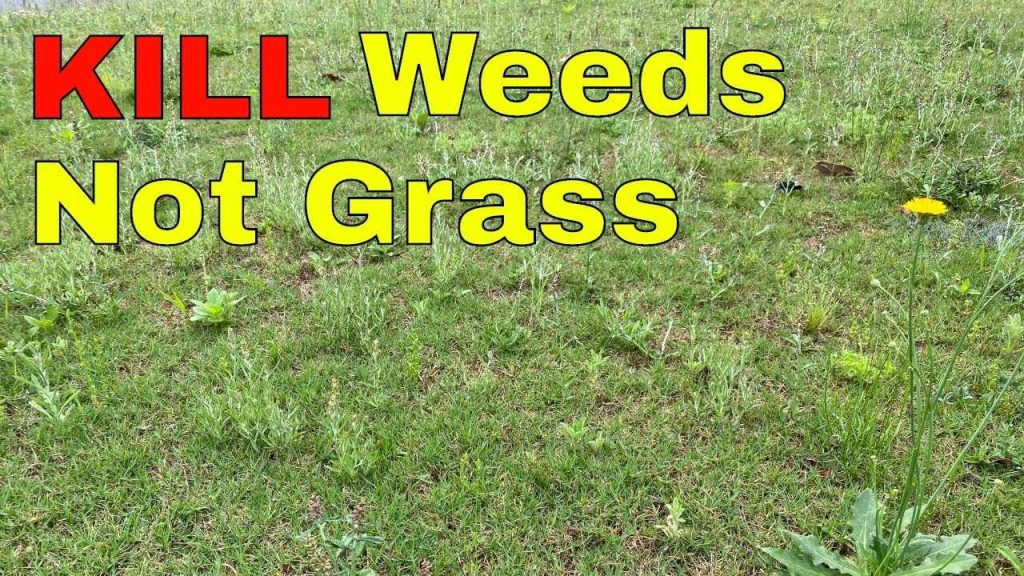
Dealing with weeds in your grass can be a frustrating challenge, but there are effective ways to tackle this problem. Start by regularly mowing your lawn at the right height, as taller grass can shade out weeds. Applying a pre-emergent herbicide in early spring can prevent weed seeds from germinating. If weeds have already taken hold, hand-pulling them or using a targeted post-emergent herbicide can be very effective. Additionally, maintaining a healthy lawn through proper watering, fertilizing, and aeration encourages grass growth, which naturally suppresses weeds. With a bit of dedication and the right techniques, you can transform your lawn into a beautiful green space free from pesky weeds.

How to Get Rid of Weeds in Grass
Weeds can quickly turn a lush green lawn into an unsightly patchwork of unwanted plants. These troublemakers can steal crucial nutrients and water from your grass, leading to stunted growth and overall poor health. Thankfully, you can employ various methods to help you eliminate weeds from your grass and ensure a thriving lawn.
Understanding Weeds: The Uninvited Guests
Before diving into control methods, it’s essential to know what weeds are. Weeds are any plants that grow where they are not wanted. They can be broadleaf weeds or grass-like weeds, and they come in various types, such as annuals, biennials, and perennials.
– **Annual Weeds:** These weeds complete their lifecycle within a single growing season.
– **Biennial Weeds:** These require two growing seasons to complete their lifecycle.
– **Perennial Weeds:** These can live for multiple years, often returning year after year.
Understanding the type of weeds you’re dealing with can significantly influence how you tackle them.
Why Weeds Are Problematic
Weeds are more than just a nuisance. They compete with your grass for essential resources like water, sunlight, and nutrients. Moreover, they can attract pests and diseases that threaten your entire lawn. Keeping weeds under control is vital for maintaining a healthy and vibrant lawn.
Preventing Weeds Before They Start
The best defense against weeds is to prevent them from growing in the first place. Here are some effective strategies:
- Proper Lawn Care: Regular mowing and aeration help grass grow thick and strong, making it harder for weeds to take root.
- Fertilization: A well-fertilized lawn provides the necessary nutrients for grass, which helps it outcompete weeds.
- Water Management: Ensure your lawn receives adequate but not excessive water.
- Mulching: In garden beds, apply mulch to block sunlight from reaching weed seeds.
- Seeding: Overseed your lawn with grass seeds to promote thick growth.
Implementing these preventive measures can significantly reduce the chances of weeds taking over your lawn.
Identifying Weeds in Your Grass
Proper identification is crucial for effective weed control. Take some time to familiarize yourself with the most common lawn weeds:
– **Dandelions:** Bright yellow flowers that turn into fluffy white seed heads.
– **Crabgrass:** A low-growing, spreading weed often found in neglected areas.
– **Chickweed:** Green, leafy plants that can grow in clusters and can thrive in cool weather.
Identifying which weeds are present helps you choose the most appropriate control method.
Manual Removal Techniques
For small infestations, manual removal can be an effective strategy. It’s best to pull weeds when the soil is moist, making it easier to remove the entire root system.
Here are steps for manual removal:
1. Grasp the weed close to the base, ensuring you have a firm grip.
2. Pull the weed slowly but firmly, trying to get as much of the root as possible.
3. Dispose of the weeds properly to prevent them from re-seeding.
This method works best for young weeds and small patches.
Using Home Remedies for Weeds
Some homeowners prefer natural methods to combat weeds. Here are a few home remedies you can try:
- Vinegar: The acetic acid in vinegar can kill weeds. Spray it directly on the leaves on a sunny day.
- Boiling Water: Pouring boiling water on weeds can effectively cook them.
- Salt Water: A solution of water and salt can dehydrate and kill weeds.
Remember to use these remedies cautiously, as they can also harm your grass.
Chemical Control Options
When dealing with larger infestations, chemical herbicides can be an efficient solution. Here’s what you need to know:
– **Pre-emergent Herbicides:** These prevent weed seeds from germinating. They are typically applied in early spring.
– **Post-emergent Herbicides:** Apply these when weeds are actively growing. Be sure to choose a product specifically designed for the type of weeds you’re targeting.
Always follow the manufacturer’s instructions for safe and effective use. Additionally, consider opting for selective herbicides that target weeds while leaving your grass unharmed.
Timing is Key
The effectiveness of your weed control methods also depends on timing.
– **Spring:** This is the most vital time for weed prevention. Apply pre-emergent herbicides to stop seeds from sprouting.
– **Summer:** Monitor your lawn for any emerging weeds. Use post-emergent treatments as needed.
– **Fall:** This is a great time for lawn care. Fertilizing now can strengthen your grass for the coming winter, helping it outcompete weeds.
Regular Maintenance Practices
Ongoing lawn maintenance is crucial for keeping weeds at bay. Here are some practices to incorporate:
- Mowing: Keep your grass at the recommended height to promote healthy growth.
- Aeration: Aerating your lawn improves soil drainage and allows nutrients to penetrate deeper.
- Fertilizing: Use a balanced fertilizer to keep your grass healthy and competitive.
- Weed Monitoring: Regularly check your lawn for any signs of new weeds and act promptly.
Consistency in these practices can help keep your lawn healthy and vibrant.
Using Professional Lawn Care Services
Sometimes, the best course of action is to consult the professionals. Lawn care services offer expertise in weed management and can provide customized solutions based on your lawn’s specific needs.
– These professionals carry advanced weed control products that may not be available for home use.
– They can also create a lawn care plan tailored to your lawn’s unique environment and challenges.
Investing in professional care can save you time and ensure a healthier lawn.
Understanding the Cycle of Weeds
Weeds follow specific growth cycles. Depending on the season and climate, you will encounter different weed types throughout the year.
Knowing this cycle allows you to anticipate weed problems and prepare accordingly. For instance, if you notice dandelions in the spring, you can take preventative measures before they have a chance to spread.
Partnering with Native Plants
Incorporating native plants into your landscape can help naturally suppress weeds. Native plants are adapted to your local environment and often require less care. Their deep roots can outcompete weeds, making them a valuable part of your lawn care strategy.
– Consider adding ground covers that spread quickly and fill in bare spots.
– This can reduce the amount of sunlight reaching weed seeds and help keep them at bay.
Understanding the Importance of Soil Health
Healthy soil is the foundation of a robust lawn. Weeds thrive in poor soil conditions, so improving soil health can help mitigate weed problems.
– Test your soil pH and nutrient levels regularly.
– Amend your soil as needed with organic matter such as compost.
When your soil is healthy, your grass will be better equipped to fend off weeds.
Getting rid of weeds in grass requires a combination of prevention, identification, and effective control methods. By implementing proper lawn care practices, understanding the types of weeds, and consistently maintaining your lawn, you can create a beautiful, weed-free space. Whether you choose manual removal, home remedies, or professional help, taking action against weeds will lead to a healthier and more vibrant lawn for years to come.
[How to KILL WEEDS] in Your Lawn WITHOUT KILLING the GRASS
Frequently Asked Questions
“`html
What are the most effective natural methods to eliminate weeds in grass?
One effective natural method is to use vinegar, which contains acetic acid that can kill weeds. Simply spray undiluted vinegar directly onto the foliage of the weeds on a sunny day. Another option is to use boiling water, which can scorch and kill the weeds on contact. Additionally, you can cover the affected areas with cardboard or newspaper to smother the weeds and block sunlight.
How can I prevent weeds from returning after removal?
To prevent weeds from returning, start by regularly mowing your grass to a healthy height, as taller grass can shade out weed seedlings. Apply a layer of mulch around flower beds to suppress weed growth. Maintaining healthy soil through aeration and proper watering habits also helps grass thrive while minimizing the space for weeds.
Is it safe to use chemical herbicides around pets and children?
Many chemical herbicides can be harmful to pets and children. If you choose to use them, select products labeled as safe for use around pets and children. Always follow the manufacturer’s instructions for application and keep treated areas off-limits until they are completely dry. Additionally, consider using organic herbicides as a safer alternative.
When is the best time to remove weeds from my lawn?
The best time to remove weeds is during early spring or fall when temperatures are moderate, and weeds are actively growing. This timing allows for more effective removal, especially before they can produce seeds in the warmer months. Regular checking and early intervention can significantly reduce the weed population in your grass.
Can overseeding help in weed control?
Yes, overseeding can effectively help in weed control. By thickening your lawn with more grass seeds, you can reduce the amount of space available for weeds to establish themselves. A denser lawn will compete better for nutrients and water, making it harder for weeds to thrive.
“`
Final Thoughts
To effectively get rid of weeds in grass, regular maintenance is key. Mowing your lawn at the right height allows grass to thrive while preventing weeds from taking over.
Additionally, applying a pre-emergent herbicide helps stop weed seeds from germinating. Hand-pulling persistent weeds and ensuring proper fertilization further supports a healthy lawn.
In conclusion, consistently following these strategies will help you successfully manage and get rid of weeds in grass, leading to a lush and inviting yard.