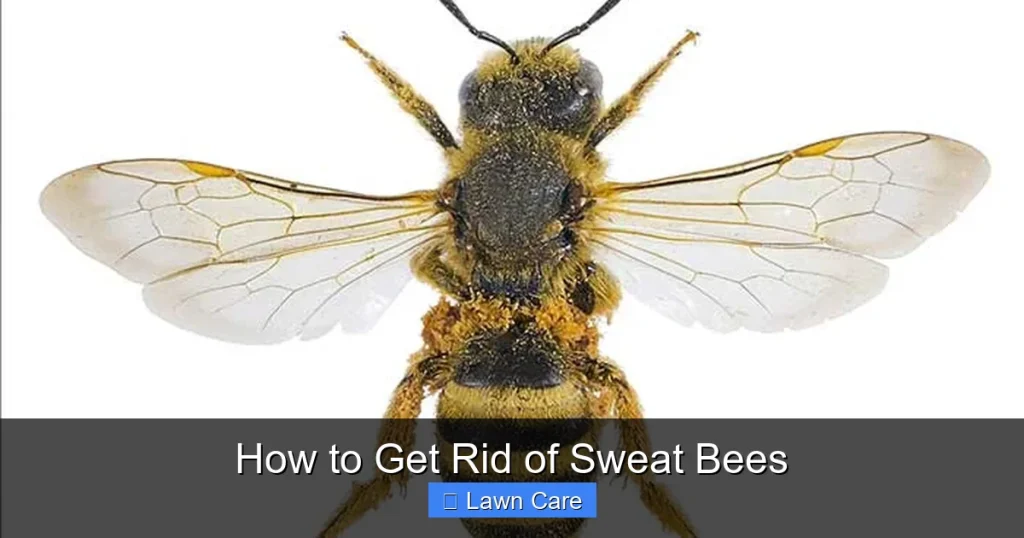
Sweat bees can be a real nuisance, especially on warm days. These small, often metallic-colored bees are attracted to human sweat, but they rarely sting. Understanding their behavior and using the right strategies can help you reclaim your outdoor space. This guide walks you through identifying sweat bees, preventing infestations, and safely removing them from your lawn and garden.
Have you ever been enjoying a sunny afternoon in your garden, only to be swarmed by tiny, metallic-blue or green bees? If so, you might have encountered sweat bees. These small insects are common in lawns and gardens across North America, and while they may look intimidating, they’re usually harmless—and often beneficial.
Sweat bees are a type of solitary bee, meaning they don’t live in hives like honeybees. Instead, they nest in the ground, often in bare or sparsely vegetated soil. They’re attracted to human sweat because it contains salts and moisture, which they need for their larvae. While they can bite if handled roughly, they rarely sting unless provoked.
This guide will walk you through everything you need to know about identifying, preventing, and safely removing sweat bees from your lawn. You’ll learn practical, eco-friendly methods that protect both your yard and the environment. By the end, you’ll have a peaceful, bee-friendly garden that keeps these tiny visitors at bay.
Key Takeaways
- Sweat bees are generally non-aggressive: Unlike honeybees, they rarely sting and are more likely to fly away when disturbed.
- They are attracted to sweat and certain plants: Their attraction is primarily to the salts in human sweat, but they may also be drawn to fragrant flowers and herbs.
- Prevention is key to managing sweat bees: Keeping your lawn healthy and reducing attractants can significantly reduce their presence.
- Natural repellents can deter them: Vinegar sprays, essential oils, and diatomaceous earth are effective, eco-friendly options.
- Professional help is available if needed: For persistent infestations, consulting a pest control expert ensures safe and lasting results.
What Are Sweat Bees?
Sweat bees belong to the family Halictidae. There are over 3,000 species in this family, but the most common ones in lawns are Halictus viridans and Lasioglossum species. These bees are usually ⅛ to ¼ inch long, with a metallic green, blue, or black sheen. They’re often mistaken for wasps because of their rapid flight, but they’re much smaller and less aggressive.
Unlike honeybees, sweat bees are solitary. Each female builds her own nest, lays eggs, and stores pollen and nectar for her offspring. They don’t produce honey, and they don’t swarm like yellow jackets. Most importantly, they play a vital role in pollination. In fact, many garden plants—including vegetables and wildflowers—depend on them for reproduction.
Why Do Sweat Bees Target My Lawn?
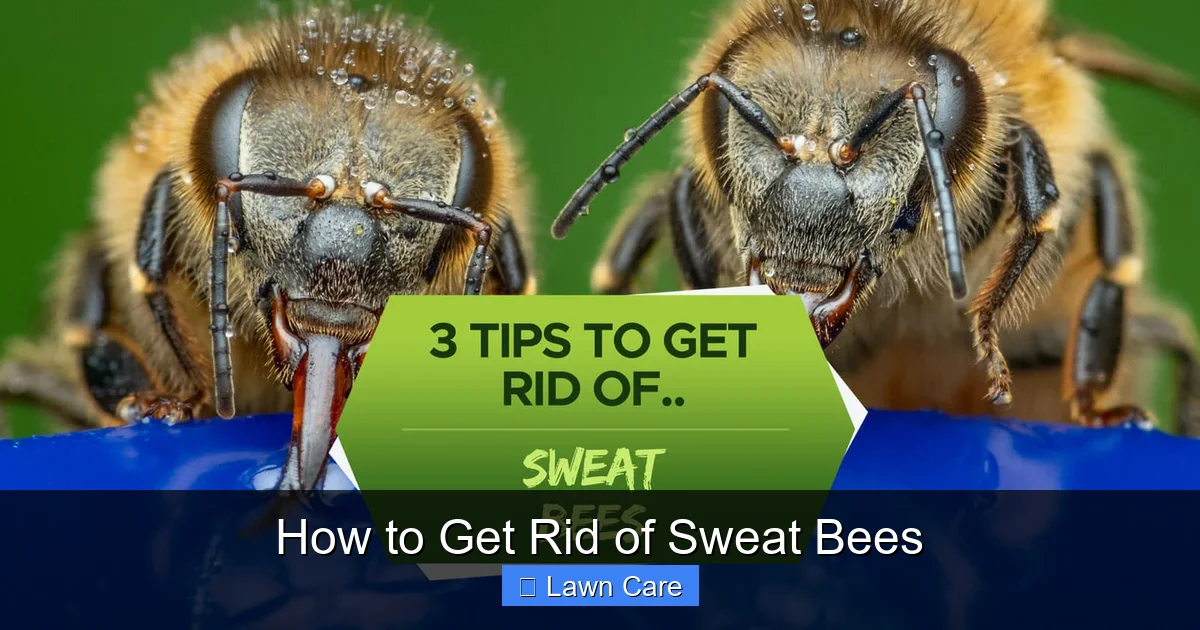
Visual guide about How to Get Rid of Sweat Bees
Image source: growyouryard.com
Sweat bees are drawn to lawns for two main reasons: nesting sites and food sources. They prefer bare, sandy, or loose soil where they can dig shallow burrows. Lawns with thin grass or bare patches are especially attractive.
They’re also attracted to human sweat because it contains sodium and other minerals. When you’re gardening or relaxing outdoors, you become a magnet. But don’t worry—they’re not trying to harm you. They’re simply seeking nutrients for their young.
Step-by-Step Guide: How to Get Rid of Sweat Bees
While sweat bees are beneficial, their presence can be annoying. Here’s a clear, step-by-step approach to managing them in your lawn.
Step 1: Confirm It’s Sweat Bees
Before taking action, make sure you’re dealing with sweat bees and not another type of bee or wasp. Sweat bees are small (under ¼ inch), metallic-colored, and often hover near your skin when you’re sweating. They don’t build nests in walls or eaves, and they don’t swarm aggressively.
If you’re unsure, take a photo and consult a local extension service or pest control expert. Misidentifying the insect can lead to unnecessary harm or ineffective treatment.
Step 2: Reduce Attractants Around Your Lawn
The best way to discourage sweat bees is to remove what draws them in.
- Wear light-colored clothing: Dark colors absorb heat and may attract more bees.
- Use unscented products: Avoid deodorants or lotions with strong fragrances.
- Limit time outdoors during peak activity: Sweat bees are most active in warm, sunny weather. Try gardening in early morning or late evening.
Step 3: Improve Lawn Health to Deter Nesting
A healthy lawn is less inviting to sweat bees. They prefer bare or weak soil where they can easily dig.
- Mow regularly: Keep your grass at 2–3 inches. Tall grass shades the soil and makes nesting harder.
- Overseed bare patches: Fill in thin areas with grass seed to eliminate nesting sites.
- Aerate your lawn: This improves soil health and reduces compaction, making it less ideal for bee burrows.
For more tips on maintaining a lush, weed-free lawn, check out our guide on How To Get Rid Of Weeds In Your Lawn Naturally.
Step 4: Use Natural Repellents
Several eco-friendly solutions can deter sweat bees without harming the environment.
- Vinegar spray: Mix equal parts white vinegar and water in a spray bottle. Spray it on affected areas. The strong smell repels bees and can weaken their nests.
- Essential oils: Peppermint, eucalyptus, and citronella oils are natural repellents. Mix 10 drops of oil with 1 cup of water and spray around your lawn.
- Diatomaceous earth: This fine powder can be sprinkled in nesting areas. It’s safe for people and pets but harmful to insects. Reapply after rain.
Step 5: Trap or Remove Nesting Sites
If bees are nesting in your lawn, you’ll need to target the burrows.
- Locate active nests: Watch for bees entering small holes in the soil. Active nests often have fresh soil around the entrance.
- Remove soil carefully: Use a trowel to dig around the hole. Gently remove the soil and place it in a sealed container. This can be done at night when bees are less active.
- Fill holes with sand or gravel: This makes the area less appealing for future nesting.
Step 6: Introduce Beneficial Insects
Instead of eliminating sweat bees, consider inviting other beneficial insects that prey on them. Ground beetles, spiders, and certain wasps feed on bee larvae. Encouraging these predators can naturally balance your ecosystem.
Planting native flowers like daisies, yarrow, and coneflowers also supports a diverse insect population.
Step 7: Consider Professional Pest Control
If sweat bees are overwhelming your yard and natural methods aren’t working, it may be time to call a professional. Pest control experts can safely remove nests and apply targeted treatments. They can also advise on long-term prevention strategies.
Always choose eco-conscious companies that prioritize humane and sustainable methods.
Troubleshooting Common Issues
Sometimes, sweat bee problems persist despite your best efforts. Here’s how to address common challenges.
Problem: Bees Keep Returning After Treatment
If bees come back, you may not have removed all nesting sites. Re-inspect your lawn after rain or watering, as new bees may emerge from hidden burrows. Repeat vinegar or essential oil treatments and consider aerating your lawn to reduce soil looseness.
Problem: Bees Are Near Playgrounds or High-Traffic Areas
In these cases, safety is a priority. Cover sandboxes, patios, and play areas with netting or fabric during peak bee activity. Use fans to create airflow—sweat bees dislike strong wind.
Problem: You’re Not Sure If It’s Sweat Bees
Misidentification is common. If you’re unsure, avoid handling the insects and consult a local extension office. They can help confirm the species and recommend appropriate action.
Conclusion
Sweat bees may be small, but their presence can disrupt your outdoor enjoyment. The good news? With the right knowledge and tools, you can manage them effectively and safely. By improving lawn health, using natural repellents, and targeting nesting sites, you can reduce their numbers without harming the environment.
Remember, sweat bees are beneficial pollinators. Instead of eradicating them completely, aim to coexist. A balanced ecosystem supports both your lawn and local wildlife.
For more lawn care tips—from weed control to pest management—explore our full library of guides. Your yard can be both beautiful and peaceful, even in the presence of these tiny visitors.