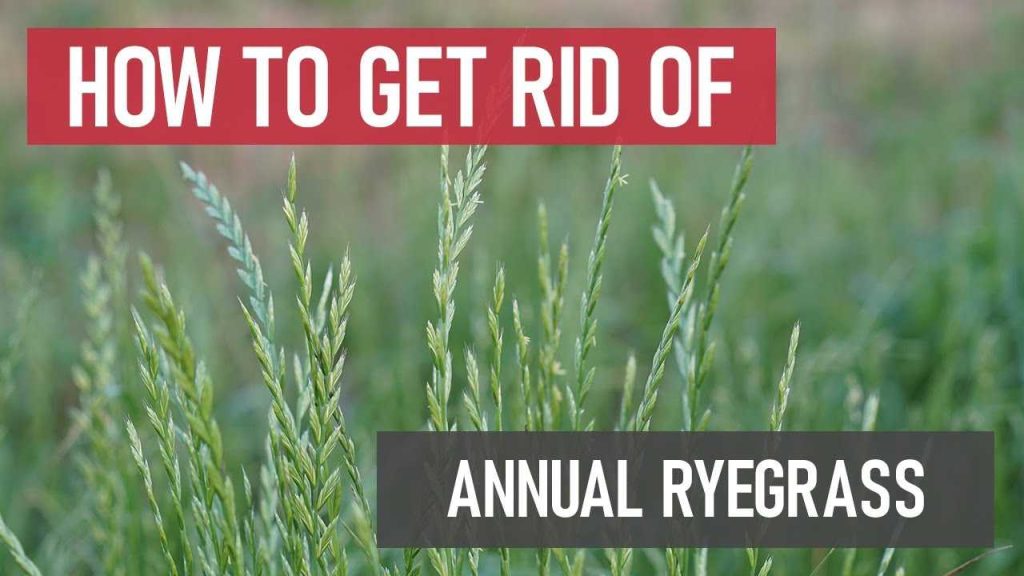
To eliminate ryegrass effectively, start by improving lawn health through proper mowing, watering, and fertilization, and consider using targeted herbicides during the appropriate season. Regularly remove invasive patches manually and overseed with competitive grass varieties to crowd out ryegrass. Consistency and patience are key to reclaiming your lawn.
Getting rid of ryegrass can be a challenge, but with the right approach, you can restore the beauty of your lawn. Ryegrass tends to thrive in certain conditions and can quickly take over if not managed properly. The first step is to identify and remove it early, employing a combination of cultural practices and chemical treatments. Proper lawn maintenance, such as mowing height adjustments, aeration, and overseeding, helps strengthen your grass and makes it less hospitable to ryegrass. Herbicides can be effective, especially when applied at the right time, but always follow the instructions carefully. With persistence, you’ll be able to control ryegrass and enjoy a lush, healthy lawn.

How to Get Rid of Ryegrass
Understanding Ryegrass and Why It Becomes a Problem
Ryegrass is a fast-growing grass that often appears in lawns, gardens, and sports fields. While it can be useful for quick ground cover, it can quickly take over areas where you don’t want it. Ryegrass is particularly troublesome because it spreads quickly through both seeds and stolons, making it difficult to control once established.
It is important to identify ryegrass early before it spreads widely. Its bright green color and fine texture can sometimes blend in with other grasses, but its rapid growth pattern and seed heads help distinguish it. Knowing these features helps you catch early infestations and manage them more effectively.
Common Reasons for Ryegrass Infestation
Several factors contribute to ryegrass taking over your lawn or garden. These include overwatering, poor soil drainage, and inadequate lawn maintenance. Ryegrass thrives in moist, nutrient-rich soil, which is why it often appears after periods of heavy rain or overwatering.
Other causes include disturbed soil from construction or landscaping and the presence of seed dispersal from neighboring areas. Additionally, winter ryegrass tends to grow more during cooler months, making it necessary to control it during these times. Recognizing these causes helps you take targeted action to prevent future infestations.
Natural Methods to Control Ryegrass
Controlling ryegrass naturally involves improving your lawn’s overall health. A healthy, dense lawn naturally crowds out weeds like ryegrass. Here are some natural strategies:
- Proper mowing: Mow the lawn regularly at the right height to promote thick, healthy grass that can shade out ryegrass.
- Water management: Water deeply but infrequently to encourage deep root growth and reduce conditions favoring ryegrass.
- Fertilization: Use balanced fertilizers to strengthen your grass, making it more resistant to weeds.
- Overseeding: Fill in bare or thin spots by overseeding with grass varieties that compete well against ryegrass.
These methods do not eliminate ryegrass immediately but help create a competitive environment where ryegrass struggles to thrive over time.
Mechanical Removal Techniques
Physical removal of ryegrass often requires some effort but can be very effective. The most common mechanical methods include:
Hand Pulling
For small patches, hand pulling is an easy option. Make sure to remove the entire root system to prevent regrowth. Wear gloves and pull the grass out gently to avoid disturbing other desirable plants.
Scraping and Raking
Use a rake or garden hoe to lift and remove ryegrass from the soil surface. Scraping can loosen roots and reduce seed dispersal. Follow up with surface aeration or aerator tools to further disturb the weed’s growth environment.
Soil Removal and Replacement
In severe cases, removing the top layer of infested soil and replacing it with fresh soil can be effective. After removal, reseed or lay new sod with resistant grass types. This method is more labor-intensive but offers a clean slate to restore your lawn.
Chemical Control Options
Applying herbicides is a popular way to control ryegrass. However, it’s important to choose the right product and follow safety guidelines carefully.
Selecting the Right Herbicide
Look for selective herbicides specifically formulated for grassy weeds. Some common active ingredients include:
- Metsulfuron methyl – effective against ryegrass without harming most broadleaf plants.
- Fenoxaprop-p-ethyl – targets grassy weeds and is often used on sports fields.
- Glyphosate – non-selective herbicide that kills all vegetation; suitable for spot treatment of large infestations.
Always read labels thoroughly and apply herbicides during calm weather to prevent drift onto desirable plants.
Application Tips for Effectiveness
– Apply herbicides in early morning or late afternoon to avoid rapid evaporation.
– Use a spray nozzle that provides even coverage.
– Be cautious to prevent contact with your desirable grass or plants.
– Follow the recommended dosage to prevent turf damage and resistance buildup.
Timing Strategies for Ryegrass Control
Timing is critical in managing ryegrass effectively.
Best Times for Control
– In cooler months, early intervention before ryegrass produces seeds reduces infestation.
– During active growth periods, herbicide application is most effective.
– Avoid treating during extreme heat or drought, as stressed grass may not respond well.
Seasonal Maintenance Schedule
Create a seasonal plan that involves:
– Regular mowing and watering during peak growing seasons.
– Pre-emergent herbicide applications in early spring.
– Spot treatment with post-emergent herbicides as needed.
These steps help prevent ryegrass from establishing and spreading further.
Preventing Future Ryegrass Growth
Prevention is always better than cure. Here are some simple steps to stop ryegrass from taking hold again:
- Maintain a healthy lawn: Dense, thick grass shades out weed seeds.
- Proper fertilization: Use the right nutrients to keep your grass vigorous.
- Regular mowing: Keep your grass at an optimal height to prevent weeds from getting sunlight.
- Soil testing and amendments: Ensure your soil has proper pH and nutrients to discourage ryegrass growth.
- Cover bare spots promptly: Fill gaps with grass seed or sod to reduce areas that ryegrass could invade.
Consistent maintenance and early detection are key to keeping ryegrass at bay.
Related Topics
Additional methods and information to help you control ryegrass include:
Choosing Resistant Grass Varieties
Opt for grass types that compete well against ryegrass, such as Bermuda or Kentucky bluegrass.
Soil Health and pH
Maintaining proper soil pH (around 6.0 to 7.0) discourages ryegrass growth while promoting your desirable grass.
Use of Cover Crops
Planting thick cover crops can suppress weed growth naturally, including ryegrass.
Integrated Weed Management
Combine cultural, mechanical, and chemical methods for comprehensive control.
Controlling ryegrass involves a combination of strategies tailored to the severity of your problem and your lawn’s specific conditions. Implementing these practices consistently will help restore and maintain a healthy, ryegrass-free lawn.
How to Get Rid of Annual Ryegrass [Weed Management]
Frequently Asked Questions
What are effective methods to control ryegrass growth in my lawn?
To control ryegrass, start by manually removing dense patches to prevent seed spread. Use a broadleaf herbicide specifically formulated for grass weeds, ensuring you follow the application instructions carefully. Maintain a healthy lawn by fertilizing appropriately and mowing at the correct height to encourage desirable grass species that can outcompete ryegrass. Aerating your soil helps improve drainage and reduces conditions favorable for ryegrass establishment.
How can I prevent ryegrass from invading my garden in the first place?
Prevent ryegrass invasion by establishing a thick, healthy turf that shades the soil and limits space for weed seeds to settle. Use pre-emergent herbicides during early planting seasons to halt germination of ryegrass seeds. Regularly inspect your lawn and remove any new seedlings early before they develop deep roots. Improving soil health through proper fertilization and watering also creates unfavorable conditions for ryegrass germination.
Are there natural methods to eliminate ryegrass without chemicals?
Yes, natural methods include manually pulling out ryegrass before it sets seed, which helps reduce future weed populations. Increasing the density of your existing grass through overseeding with competitive grass species makes it harder for ryegrass to establish. Applying mulch or organic cover in garden beds can suppress weed growth. Additionally, adjusting watering practices to favor your desired plants can make the environment less suitable for ryegrass.
Final Thoughts
To get rid of ryegrass, start by improving your lawn’s health with proper fertilization and watering. Remove existing weeds manually or with targeted herbicides. Regular mowing prevents ryegrass from seeding and spreading further, keeping your lawn uniform. Consistent lawn care practices are essential to control and eliminate ryegrass effectively.