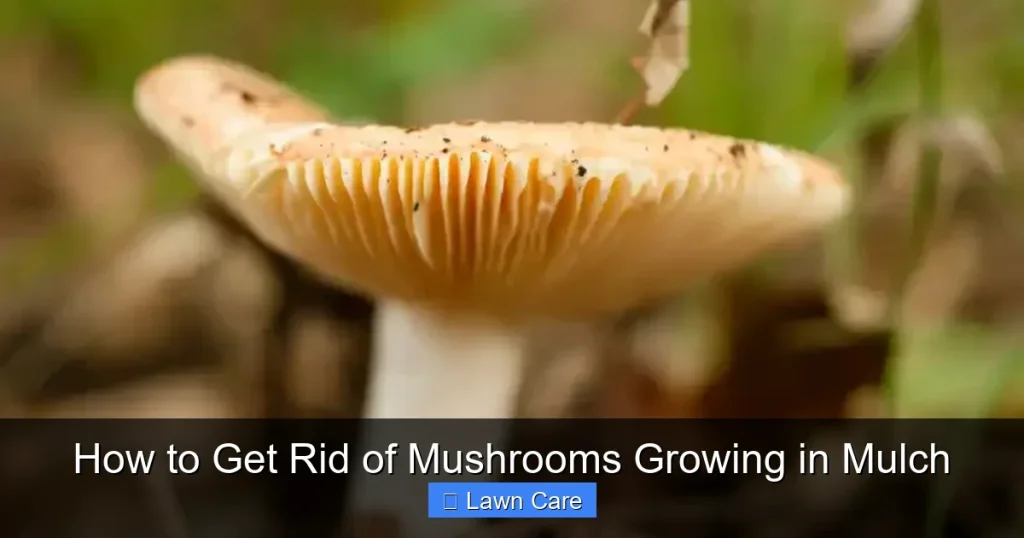
Mushrooms in mulch are common and usually harmless, but they can be unsightly or concerning if you have pets or kids. This guide shows you how to remove them safely and prevent future growth using natural and chemical-free methods.
Key Takeaways
- Mushrooms are a sign of healthy, decomposing mulch: They thrive in moist, organic environments and help break down wood chips and bark.
- Removing mushrooms manually is the first step: Simply pluck them out when they appear to prevent spore spread.
- Improve air circulation and reduce moisture: Turn mulch regularly and avoid overwatering to discourage fungal growth.
- Replace old or compacted mulch: Refresh mulch every 1–2 years to reduce fungal buildup and improve soil health.
- Use fungicides only as a last resort: Most mushrooms don’t harm plants, so chemical treatments are rarely needed.
- Prevent regrowth with proper mulching techniques: Apply mulch 2–3 inches thick and keep it away from plant stems.
- Consider switching mulch types: Use less fungal-friendly options like gravel or rubber in high-moisture areas.
Introduction: Why Are Mushrooms Growing in Your Mulch?
If you’ve noticed mushrooms popping up in your garden mulch, you’re not alone. These little fungi are actually a common sight in landscaped areas, especially during damp seasons. While they might look strange or even alarming, mushrooms in mulch are usually a sign of a healthy, active ecosystem. They’re part of the natural decomposition process, breaking down organic matter like wood chips and bark into nutrients for your soil.
However, if you have pets, young children, or simply prefer a tidy garden, you might want to know how to get rid of mushrooms growing in mulch. The good news? It’s easier than you think—and you don’t need harsh chemicals to do it. In this guide, we’ll walk you through safe, effective steps to remove existing mushrooms and prevent them from coming back. You’ll also learn why they appear in the first place and how to maintain a balanced, beautiful garden.
Step 1: Identify the Type of Mushroom
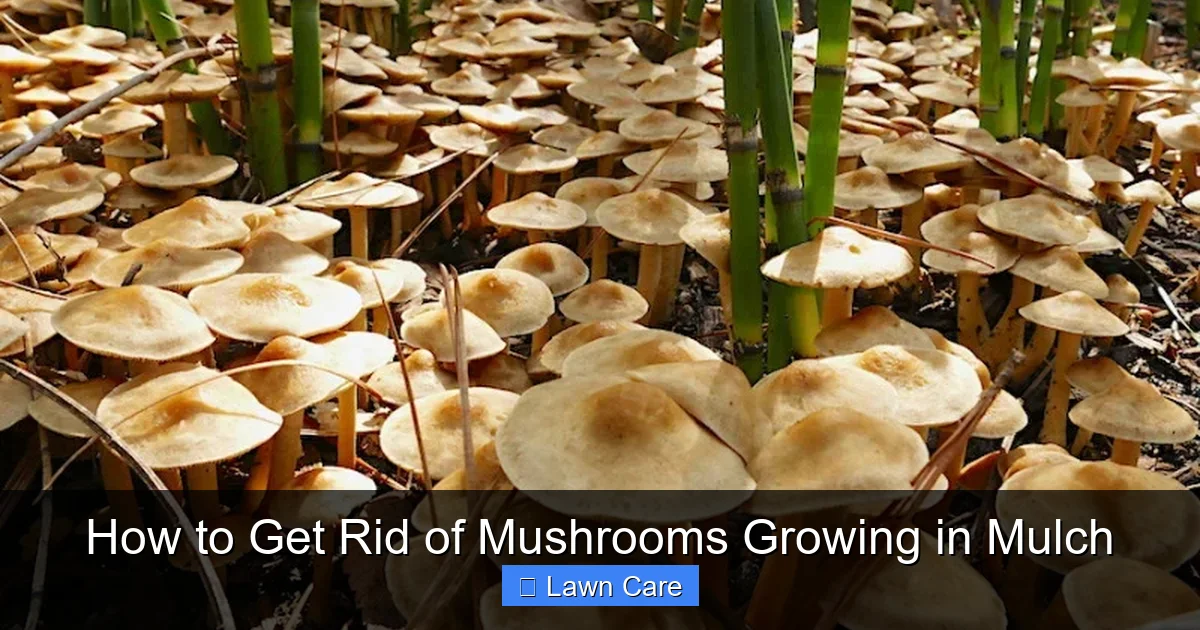
Before taking action, it’s helpful to know what kind of mushroom you’re dealing with. Most mushrooms found in mulch are saprophytic, meaning they feed on dead organic material and don’t harm living plants. Common types include:
Visual guide about How to Get Rid of Mushrooms Growing in Mulch
Image source: backyardcaring.com
- Leucocoprinus birnbaumii (Yellow Houseplant Mushroom): Bright yellow, often found in potted plants and mulch.
- Marasmius oreades (Fairy Ring Mushroom): Small, tan caps that grow in circular patterns.
- Coprinus species (Ink Caps): Delicate, bell-shaped mushrooms that dissolve into black ink as they age.
While most are harmless, some wild mushrooms can be toxic if ingested. If you have pets or kids who might touch or eat them, it’s best to remove them promptly. When in doubt, consult a local extension service or use a mushroom identification app.
Step 2: Remove Mushrooms Manually
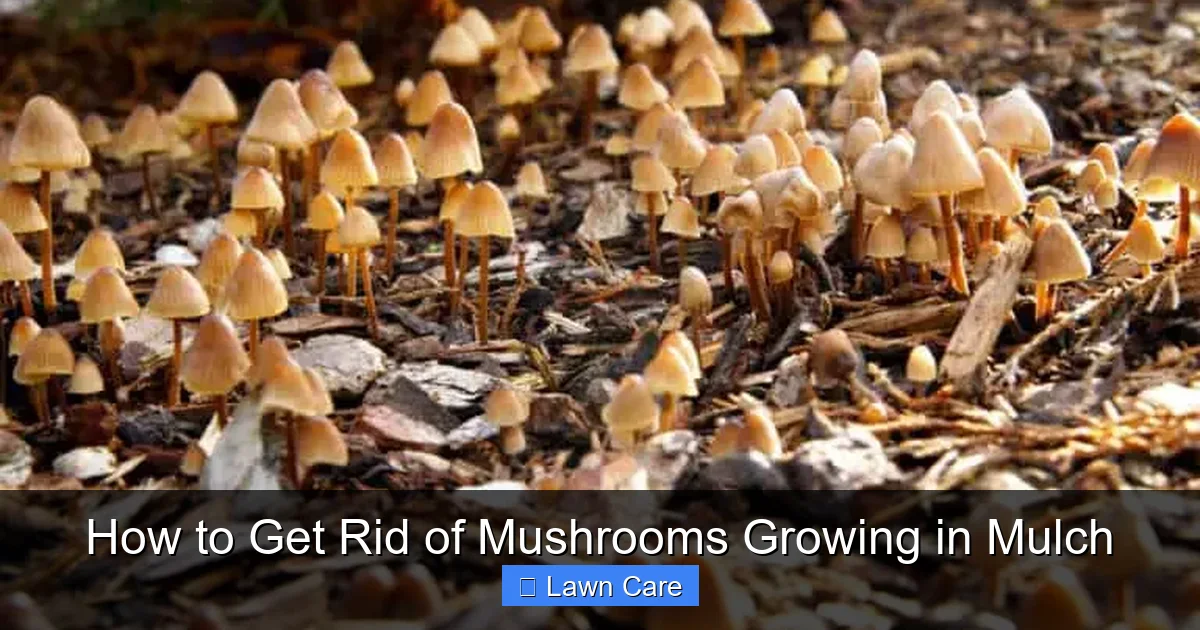
The simplest and most immediate way to get rid of mushrooms is to pluck them by hand. Here’s how:
Visual guide about How to Get Rid of Mushrooms Growing in Mulch
Image source: owntheyard.com
Wear Gloves for Safety
Even if the mushrooms aren’t toxic, it’s smart to wear gardening gloves. This protects your hands from potential irritants and keeps spores from spreading.
Pull Them Out at the Base
Grasp each mushroom firmly at the base and twist gently to remove the entire structure, including the underground mycelium (root-like network). Avoid breaking them, as this can release spores and encourage more growth.
Dispose of Them Properly
Place the mushrooms in a sealed bag and throw them in the trash. Do not compost them, as spores can survive and spread to other areas.
Pro Tip: Check your mulch daily during wet weather. Removing mushrooms early prevents spore dispersal and reduces future growth.
Step 3: Reduce Moisture and Improve Airflow
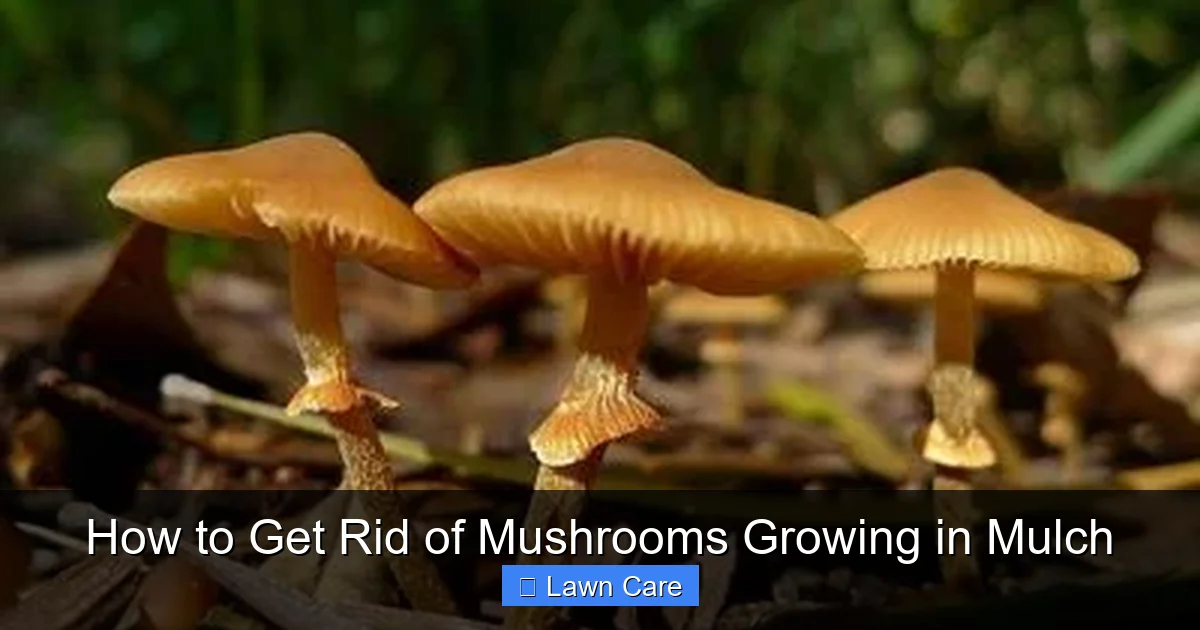
Mushrooms love damp, shady conditions. To make your mulch less inviting, focus on drying it out and increasing airflow.
Visual guide about How to Get Rid of Mushrooms Growing in Mulch
Image source: theyardandgarden.com
Turn the Mulch Regularly
Use a garden fork or rake to fluff up the mulch every few weeks. This exposes the lower layers to air and sunlight, drying out the environment and disrupting fungal growth.
Avoid Overwatering
Water your plants at the base, not over the mulch. Excess moisture from sprinklers or heavy rain can soak into the mulch and create ideal conditions for mushrooms. If you use irrigation, consider drip systems to target roots directly.
Prune Overhanging Branches
Trim trees and shrubs that cast shade over mulched areas. More sunlight means drier mulch and fewer mushrooms. Aim for at least 4–6 hours of direct sun per day.
Example: A client in Portland noticed mushrooms appearing under a large maple tree. After pruning lower branches and reducing watering frequency, the problem disappeared within a month.
Step 4: Replace or Refresh Old Mulch
Over time, mulch breaks down and becomes a thick, compact layer that holds moisture and shelters fungi. Refreshing it can make a big difference.
Remove the Top Layer
Use a rake to scoop off the top 1–2 inches of old mulch. This removes fungal networks and spores that are already present.
Add Fresh Mulch
Replace it with new, dry mulch. Wood chips, bark nuggets, or shredded leaves work well. Apply a layer 2–3 inches thick—too much can trap moisture, while too little won’t suppress weeds.
Keep Mulch Away from Plant Stems
Leave a small gap (about 2–3 inches) around tree trunks and plant bases. This prevents rot and reduces dampness that encourages mushrooms.
Pro Tip: If mushrooms keep returning, consider switching to a less organic mulch like gravel, stone, or rubber in problem areas. These don’t decompose and won’t feed fungi.
Step 5: Use Natural Remedies (Optional)
If mushrooms persist, you can try a few natural treatments. These are safe for plants, pets, and the environment.
Sprinkle Baking Soda
Dissolve 1 tablespoon of baking soda in 1 gallon of water and spray it over the mulch. Baking soda raises the pH slightly, making the environment less favorable for fungi. Reapply after rain.
Apply Vinegar Solution
Mix 1 part white vinegar with 3 parts water and spray lightly on affected areas. Vinegar is acidic and can kill surface fungi. Use sparingly—too much can harm soil microbes.
Use Compost Tea
Aerated compost tea introduces beneficial microbes that compete with fungi. Spray it over the mulch to promote a healthier microbial balance.
Note: These methods work best for light infestations. For severe cases, focus on improving drainage and airflow instead.
Step 6: When to Use Fungicides (Rarely Needed)
Chemical fungicides should be a last resort. Most mushrooms don’t damage plants, and killing them doesn’t address the root cause—excess moisture and organic matter.
If you must use a fungicide, choose a product labeled for ornamental gardens and follow the instructions carefully. Look for active ingredients like chlorothalonil or propiconazole. Apply only to affected areas and avoid overuse.
Important: Fungicides won’t kill the underground mycelium, so mushrooms may return unless conditions improve.
Troubleshooting Common Issues
Even after treatment, mushrooms might come back. Here’s how to handle common problems:
Mushrooms Keep Returning
This usually means the mulch is too wet or compacted. Turn it more often, reduce watering, and consider replacing it entirely.
Mushrooms Appear in Circular Patterns
These are likely “fairy rings,” caused by underground fungal networks. Remove the mushrooms and aerate the soil beneath the mulch to break up the mycelium.
Pets or Kids Are at Risk
If you’re concerned about toxicity, remove mushrooms immediately and supervise outdoor time. You can also create a barrier with chicken wire or landscape fabric to keep curious hands and paws away.
Mulch Smells Bad
A sour or rotten smell indicates anaerobic decomposition—often due to compacted, waterlogged mulch. Remove the old layer, let the soil dry, and add fresh mulch.
Prevention Tips for Long-Term Success
Once you’ve cleared the mushrooms, keep them from coming back with these smart practices:
- Choose the right mulch: Cedar and cypress mulch resist decay and fungi better than pine or hardwood.
- Mulch in dry weather: Apply new mulch when the soil is dry to avoid trapping moisture.
- Monitor drainage: Ensure water flows away from mulched areas. Fix low spots or install French drains if needed.
- Rotate mulch types: Alternate between organic and inorganic mulches to disrupt fungal cycles.
- Inspect regularly: Make it a habit to check mulched beds weekly, especially after rain.
Conclusion: Embrace a Balanced Garden
Mushrooms in mulch aren’t a sign of poor lawn care—they’re a natural part of decomposition. But if they bother you, the steps above will help you get rid of them safely and effectively. Remember, the goal isn’t to eliminate all fungi (they’re beneficial!), but to manage their growth so your garden stays healthy and attractive.
By improving airflow, reducing moisture, and refreshing mulch regularly, you’ll create an environment where mushrooms are rare guests, not permanent residents. And if you’re dealing with similar issues in your lawn, check out our guide on how to get rid of mushrooms growing in your lawn for more tips.
With a little attention and the right techniques, you can enjoy a beautiful, mushroom-free garden all season long.