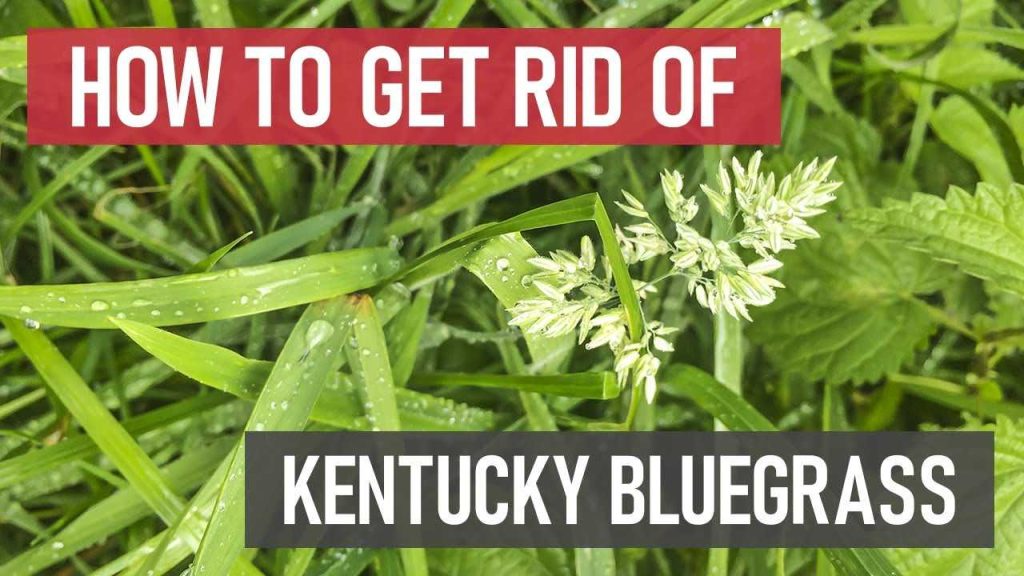
To effectively remove Kentucky Bluegrass from your lawn, you need to take targeted steps that include modifying your mowing habits, improving soil health, and possibly using selective herbicides. The key is to outcompete the grass with stronger, desired lawn species or eliminate it directly.
In short, controlling Kentucky Bluegrass involves a combination of cultural practices, such as overseeding with competitive grass varieties, adjusting mowing height, and applying selective herbicides when necessary. Consistency and patience are essential, as it may take multiple efforts to see significant results.
If Kentucky Bluegrass is invading your yard and you want a lush, weed-free lawn, understanding how to suppress or remove it is crucial. This grass is resilient and adaptable, but with strategic intervention, you can restore your lawn to its desired state. Whether through proper maintenance, soil adjustments, or targeted herbicides, you can effectively control and eventually eliminate this common ground cover from your landscape.

How to Get Rid of Kentucky Bluegrass
Getting rid of Kentucky bluegrass can be a challenge for many homeowners. This weed often invades lawns and competes with desirable grass types. Knowing the best methods helps you maintain a healthy, lush lawn.
Understanding Kentucky Bluegrass
Kentucky bluegrass is a cool-season grass known for its rich green color and fine texture. It spreads quickly through underground runners called rhizomes. While it looks attractive, it can become invasive and hard to control.
Typically, Kentucky bluegrass appears in areas with moist, fertile soil. It thrives in cooler temperatures but can quickly take over other grasses if not managed properly. Recognizing its growth patterns is key to effective removal.
Reasons to Remove Kentucky Bluegrass
Many homeowners opt to remove Kentucky bluegrass because it can crowd out native plants or desirable lawn grasses. It also has a tendency to spread unevenly, creating patchy lawns. Additionally, its dense growth can harbor pests and diseases.
Removing it allows you to plant alternative grasses better suited to your climate or landscape goals. It also helps improve the overall health and appearance of your lawn.
Methods for Removing Kentucky Bluegrass
1. Manual Removal
Manual removal involves physically pulling out Kentucky bluegrass plants. Use a garden fork or trowel to carefully dig around the roots. This method works best for small patches.
Ensure you remove as much of the root system as possible to prevent regrowth. Regularly inspect the area for new shoots and remove them promptly.
2. Soil Solarization
Soil solarization uses the sun’s heat to kill existing grass and weeds. Cover the affected area with clear plastic sheeting during hot months. Leave it in place for 4 to 6 weeks to sterilize the soil.
This method is effective for larger areas but requires sunny weather and consistent covering. It also helps reduce soil-borne pests and diseases.
3. Smothering or Covering
Cover the Kentucky bluegrass with a thick layer of mulch, cardboard, or black plastic. This blocks sunlight, preventing growth. Leave the cover in place for several weeks to a few months.
Over time, the grass will die off, and the area can be prepared for new planting. This approach is eco-friendly and chemical-free.
4. Chemical Herbicides
Selective herbicides containing glyphosate can effectively kill Kentucky bluegrass without harming other plants. Follow label instructions carefully to avoid damage to desirable grasses.
Apply herbicide when the grass is actively growing, typically in spring or fall. Reapply as needed, but be cautious of overuse and potential environmental impacts.
Managing the Land After Removal
Soil Preparation
After removing Kentucky bluegrass, loosen the soil with a rake or tiller. Incorporate compost or organic matter to improve soil quality. Proper preparation encourages healthy growth of desired grasses or plants.
Reseeding or Sodding
Choose alternative grass types better suited to your climate, such as tall fescue or Bermuda grass. Lightly overseed the area or lay down new sod to establish a healthy lawn.
Ensure the soil is moist and free of debris before planting. Water regularly until new grass is established.
Prevention Tips to Stop Kentucky Bluegrass from Returning
- Maintain a healthy lawn: Keep your grass dense and vigorous to outcompete weeds.
- Adjust watering practices: Avoid overwatering which favors Kentucky bluegrass growth.
- Mow correctly: Regular mowing at appropriate heights helps prevent seed production.
- Use appropriate fertilization: Apply fertilizer tailored to your desired grass type to promote strong growth.
- Practice aeration: Improve soil drainage and reduce compaction, discouraging invasive grasses.
Additional Techniques for Control
Overseeding with Competitive Grasses
Overseeding with sturdy, fast-growing grasses can help crowd out Kentucky bluegrass. Select grass varieties native or well-adapted to your region for best results.
Adjusting Soil pH
Altering soil pH can make conditions less favorable for Kentucky bluegrass. Conduct a soil test and amend the soil accordingly with lime or sulfur.
Consistent Lawn Maintenance
Routine mowing, watering, fertilizing, and aeration keep your lawn healthy. This reduces opportunity for Kentucky bluegrass to establish and spread.
Environmental Considerations
Choosing eco-friendly methods like smothering or using organic herbicides can protect surrounding plants and wildlife. Avoid chemical overuse, which can harm beneficial insects and soil health.
Summary of Key Steps to Remove Kentucky Bluegrass
| Step | Method | Notes |
|---|---|---|
| Identify | Observation | Confirm it’s Kentucky bluegrass before removal |
| Remove | Manual, chemical, or soil solarization | Choose based on size and preference |
| Prepare soil | Loosen, amend, and level | Creates a healthy base for new growth |
| Plant | New seed or sod | Choose suitable, competitive grass |
| Maintain | Regular lawn care | Avoid recurrence of Kentucky bluegrass |
Removing Kentucky bluegrass requires persistence and proper technique. Employing a combination of physical, chemical, and cultural methods will give the best results. Consistent care afterward helps keep your lawn healthy and free of unwanted grasses.
How to Get Rid of Kentucky Bluegrass [Weed Management]
Frequently Asked Questions
What methods can I use to remove Kentucky bluegrass from my lawn?
To eliminate Kentucky bluegrass, start by manually removing as much of the grass as possible, especially if it has spread unevenly. Applying a non-selective herbicide containing glyphosate can effectively kill the grass—be sure to follow the manufacturer’s instructions carefully. After treatment, consider overseeding with desirable grass species to improve your lawn’s appearance and prevent Kentucky bluegrass regrowth. Consistent maintenance and overseeding help keep the invasive grass under control over time.
How does soil preparation help in controlling Kentucky bluegrass?
Proper soil preparation creates unfavorable conditions for Kentucky bluegrass. Conduct a soil test to determine nutrient levels and pH balance, then amend the soil accordingly. Aerate the soil to improve drainage and root penetration. Removing thatch buildup also supports healthy lawn growth and discourages unwanted grasses. These steps make your yard less hospitable to Kentucky bluegrass, helping desirable grasses establish stronger roots.
Are there specific lawn care practices that prevent Kentucky bluegrass from spreading?
Yes, regular lawn maintenance plays a significant role in preventing Kentucky bluegrass spread. Mow at the correct height for your grass type, typically around 2.5 to 3 inches, to promote healthy turf that resists invaders. Water deeply but infrequently to encourage deep root growth, and fertilize according to your grass’s needs to maintain vigor. Avoid overwatering or fertilizing too much, as these practices can promote unwanted grass growth. Consistent care keeps your lawn strong and less vulnerable to Kentucky bluegrass encroachment.
Can reseeding or overseeding help in managing Kentucky bluegrass presence?
Overseeding can weaken Kentucky bluegrass by introducing competitive, desirable grasses into your lawn. Choose appropriate seed varieties suited to your climate and soil conditions, and prepare the soil thoroughly before overseeding. Water regularly to ensure proper germination and growth of new grass. Over time, a healthy, dense turf created by overseeding will outcompete Kentucky bluegrass, reducing its spread and improving your lawn’s overall appearance.
What long-term strategies can I adopt to prevent future Kentucky bluegrass infestations?
Implementing a comprehensive lawn care plan helps prevent future Kentucky bluegrass issues. Maintain proper mowing heights, water deeply and infrequently, and fertilize based on soil test recommendations. Also, regular aeration and dethatching keep the soil healthy and reduce thatch buildup that can harbor undesired grasses. Consider planting a drought-tolerant, well-adapted grass mixture to create a resilient lawn that resists invasions. Consistency in these practices ensures your yard remains healthy and minimizes Kentucky bluegrass regrowth over time.
Final Thoughts
To get rid of Kentucky bluegrass, start by improving your lawn’s health. Use a mowing height that favors othergrass types and reduce watering to stress the bluegrass. Apply selective herbicides that target this specific grass without harming your desired turf. Consistency is key; regular maintenance and proper lawn care will gradually diminish Kentucky bluegrass presence. Following these steps will help you effectively get rid of Kentucky bluegrass and achieve a healthier, more uniform lawn.