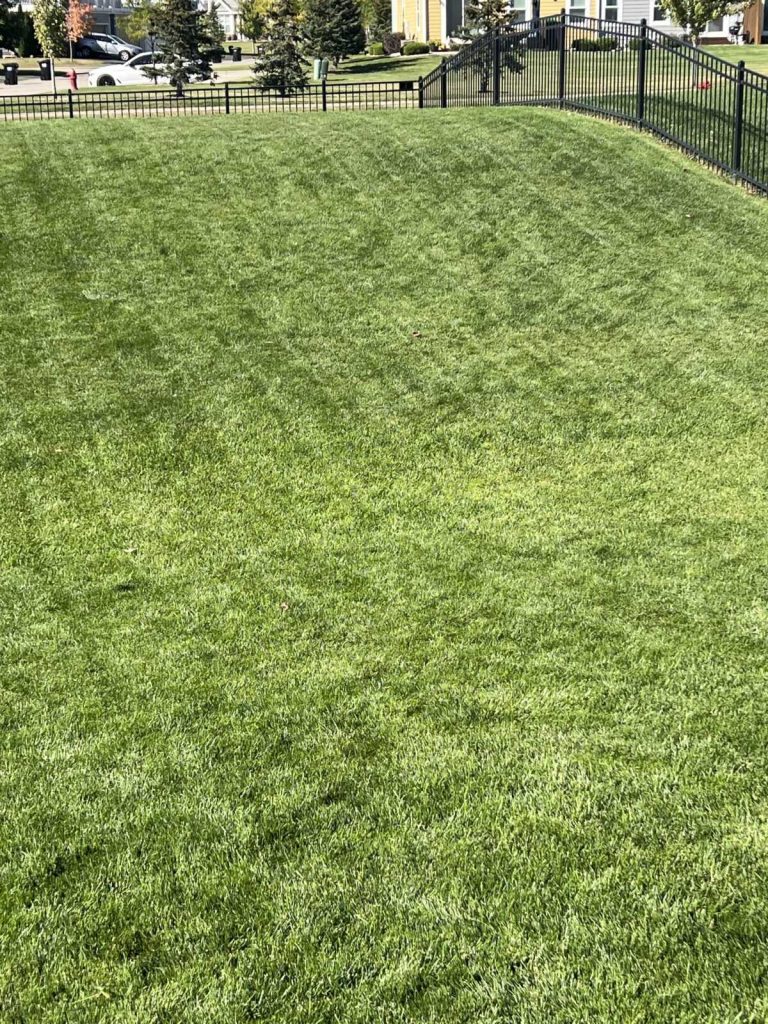
Yes, you can mix Kentucky bluegrass and tall fescue to create a lush, resilient lawn. Combining these grasses leverages their unique strengths—Kentucky bluegrass’s fine texture and rich color with tall fescue’s drought tolerance and durability—resulting in a healthier, more adaptable lawn. The key is choosing the right seed ratios and ensuring proper maintenance to help the grasses coexist peacefully and thrive together.
Wondering if you can combine Kentucky bluegrass and tall fescue in your lawn? The good news is that blending these two popular grasses can offer a blend of beauty and resilience, perfect for many climates and soil types. This mix can provide a lawn that’s not only lush and vibrant but also hardy against droughts, foot traffic, and varying weather conditions. Whether you’re aiming for a low-maintenance yard or one with a perfect balance of color and toughness, mixing Kentucky bluegrass with tall fescue might be your ideal solution. It’s a smart way to maximize lawn performance while adding visual appeal.

Can You Mix Kentucky Bluegrass and Tall Fescue
Understanding the Basics of Kentucky Bluegrass and Tall Fescue
Kentucky bluegrass and tall fescue are two popular types of grass used for lawns and sports fields. Each has unique qualities that make them suitable for different environments. Mixing these grasses can offer a balanced lawn that benefits from the strengths of both species.
Kentucky bluegrass is known for its fine texture and lush green color. It creates a dense, soft lawn that looks beautiful and inviting. Tall fescue, on the other hand, features a coarser texture but is highly drought-tolerant and hardy.
Why Gardeners and Landowners Consider Mixing These Grasses
Combining Kentucky bluegrass and tall fescue can improve lawn resilience and appearance. This mix helps create a lawn that is both visually appealing and tough against weather extremes. It also reduces the chances of lawn damage from pests and diseases.
Mixing grasses provides a natural variation in texture and color, making your lawn more interesting. It can also enhance the lawn’s ability to recover quickly after heavy use or adverse weather conditions.
Benefits of Combining Kentucky Bluegrass and Tall Fescue
- Increased drought tolerance: Tall fescue survives drought conditions well, reducing watering needs.
- Enhanced wear resistance: Tall fescue’s tough nature helps the lawn withstand foot traffic and activity.
- Beautiful appearance: Kentucky bluegrass offers a rich, lush green color that enhances visual appeal.
- Complementary growth habits: Kentucky bluegrass spreads via rhizomes, filling in gaps, while tall fescue has a deep root system.
Challenges in Mixing Kentucky Bluegrass and Tall Fescue
While mixing these grasses can be beneficial, it also presents some challenges. Their growth rates and requirements are different, which can lead to uneven lawn appearance if not managed properly.
For example, Kentucky bluegrass tends to grow slower but spreads more evenly, whereas tall fescue establishes quickly but may dominate in certain areas. Proper planning and maintenance are essential to ensure a balanced mix.
Best Practices for Mixing Kentucky Bluegrass and Tall Fescue
Selecting the Right Seed Mix
Choose seed blends specifically designed for mixing Kentucky bluegrass and tall fescue. Look for quality seed with high germination rates. Typically, a ratio of 70% Kentucky bluegrass and 30% tall fescue works well for most lawns.
Ensure the seed mixture is suitable for your climate and soil type. Consulting with local lawn care experts can help you select the best blend for your area.
Preparation and Planting
Start by preparing your soil thoroughly. Remove weeds, aerate if necessary, and level the surface. A well-prepared seedbed promotes even germination and healthy growth.
Spread the seed evenly using a seed spreader, making sure to cover the entire area consistently. Lightly rake the soil to help the seed contact the soil surface, then water gently but thoroughly.
Caring for the Mixed Lawn
Maintain regular watering to keep the soil moist during germination. Once the grass is established, adjust watering based on weather conditions and grass needs.
Fertilize in line with the specific needs of both grass types. Typically, a balanced fertilizer applied every six to eight weeks will support healthy growth.
Dealing with Growth Differences
Since Kentucky bluegrass and tall fescue grow at different rates, you may notice uneven patches early on. Regular mowing and trimming encourage even growth and keep the lawn looking tidy.
Over time, the grasses will fill in gaps, creating a seamless blend. Patience is key, as it may take a full growing season for the mix to mature fully.
Maintenance Tips for a Mixed Kentucky Bluegrass and Tall Fescue Lawn
- Regular mowing: Keep your mower high to preserve grass health. Tall fescue thrives when mowed at a height of 3 to 4 inches, while Kentucky bluegrass prefers 2.5 to 3 inches.
- Watering: Deep, infrequent watering encourages deep root growth of both grasses, especially tall fescue.
- Fertilization: Use a fertilizer with balanced nitrogen, phosphorus, and potassium. Adjust based on soil test results for optimal health.
- Weed control: Apply pre-emergent and post-emergent weed control as needed, but be cautious to avoid damaging your lawn.
Related Topics to Consider
Soil Testing and Preparation
Testing your soil’s pH and nutrients helps you tailor fertilization and amendments for better grass growth. Tall fescue prefers slightly acidic to neutral soil, while Kentucky bluegrass thrives in similar conditions.
Overseeding and Repair
If patches appear or the mix isn’t thriving, overseeding can help fill in bare spots. Use the same seed blend for consistency and better results.
Controlling Pests and Diseases
Both grasses can face pests like grubs and diseases such as fungal infections. Proper maintenance, aeration, and overseeding help prevent these issues.
Climate Compatibility
This mix generally suits cooler climates with moderate rainfall. For warmer regions, consider adjusting the seed blend or choosing alternative grasses better suited to the environment.
Summary
Mixing Kentucky bluegrass and tall fescue can produce a more durable, visually appealing lawn that adapts well to varying conditions. Proper seed selection, planting, and maintenance practices are key to success. By understanding each grass’s needs and growth habits, you can create a lush, healthy lawn that withstands drought, heavy use, and changing weather.
Kentucky Bluegrass vs. Tall Fescue
Frequently Asked Questions
Is it beneficial to mix Kentucky bluegrass with tall fescue for a lawn?
Mixing Kentucky bluegrass with tall fescue can create a more resilient and adaptable lawn. Kentucky bluegrass provides fine texture and a lush appearance, while tall fescue offers deep roots and drought tolerance. Combining these grasses can result in a turf that stays green longer, withstands foot traffic better, and adapts to various soil conditions effectively.
What are the key considerations when planting Kentucky bluegrass and tall fescue together?
When planting these grasses together, consider their differing growth habits and maintenance needs. Kentucky bluegrass thrives in cooler temperatures and prefers regular watering, while tall fescue tolerates drought and can handle warmer conditions. Ensure you select a suitable mixture ratio, provide proper fertilization, and maintain consistent mowing heights to promote healthy growth of both species.
Can the mixture of Kentucky bluegrass and tall fescue handle different soil types?
Yes, this combination can adapt to various soil types. Kentucky bluegrass tends to prefer well-drained, fertile soils, whereas tall fescue performs well in tougher, less fertile soils. By mixing them, you can create a lawn that remains healthy across a broader range of soil conditions, especially if you manage soil fertility with appropriate amendments.
Does mixing Kentucky bluegrass and tall fescue affect the overall appearance of the lawn?
How does the maintenance routine differ when you combine these grasses?
Combining Kentucky bluegrass and tall fescue may require adjustments in watering, fertilization, and mowing. Kentucky bluegrass needs regular watering and fertilizing to maintain its color and density, while tall fescue is generally lower-maintenance and drought-tolerant. Mow to a height suitable for both, usually around 2.5 to 3 inches, to support healthy growth of both species.
Final Thoughts
Mixing Kentucky bluegrass and tall fescue can create a resilient lawn. These grasses have complementary features that improve drought tolerance and wear resistance. However, proper management is essential to ensure they establish well together.
Overall, can you mix Kentucky bluegrass and tall fescue? Yes, blending these grasses offers benefits, but consider your climate and soil conditions. Proper seeding and maintenance will help achieve a healthy, attractive lawn.