Figuring out how to get rid of grubs and moles starts with knowing which one you're actually fighting. These two pests cause similar-looking lawn damage, but they require completely different approaches. Treat for the wrong one and you'll waste time, money, and a whole weekend.
The good news is that once you can identify the culprit, the path forward gets a lot clearer. Most homeowners deal with one or the other, though some unlucky folks get hit with both at the same time. Let's walk through how to tell them apart and pick the right plan.
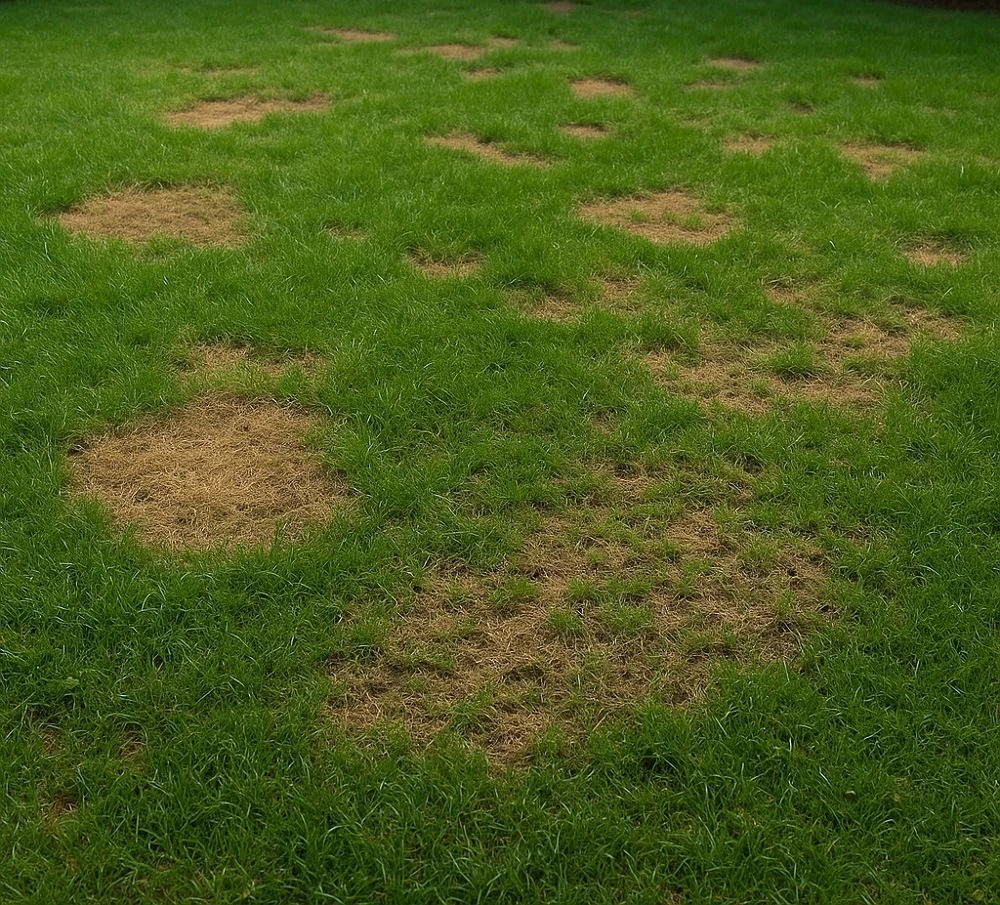
Image source: Bing (Web (fair-use with source credit))
Quick Answer
To get rid of grubs, apply a curative insecticide like trichlorfon in late summer when larvae are small and feeding near the surface. For moles, use a scissor-jaw or harpoon trap placed in active tunnels for the fastest results. If you have both problems, treat grubs first since they're often the food source drawing moles in.
Always confirm which pest you have before spending money on treatments.
First, Figure Out What You're Actually Dealing With
Before you buy a single product, you need to know whether grubs, moles, or something else is tearing up your yard. This step matters more than anything else in this whole process.
Here's the basic breakdown of what each pest looks like and how it damages your lawn:
| Pest | What You'll See | Damage Pattern | Active Season |
|---|---|---|---|
| White grubs | Brown, spongy patches that peel back like loose carpet | Irregular dead spots, often worse in sunny areas | Late summer through fall |
| Moles | Raised ridges and volcano-shaped mounds | Surface tunnels across the lawn, sometimes deeper runways | Spring and fall |
| Voles | Shallow, narrow runways in grass, no mounds | Chewed bark at base of trees, gnawed roots | Year-round, worse in winter |
The grub test is simple. Cut a one-foot square of turf at the edge of a brown patch and peel it back. If you find more than five to ten white grubs curled in the soil underneath, you've got a problem worth treating.
If you find fewer than that, your brown patches might be from drought, disease, or something else entirely.
Mole damage looks different. You'll see raised ridges running across your lawn where they've pushed up soil just below the surface. They also leave conical mounds, which are different from the flat, spread-out dirt piles that ground squirrels leave behind.
Voles are the ones people mix up with moles most often. They create shallow runways through grass, usually about two inches wide, and they don't leave mounds. If you're seeing surface trails but no raised soil, you're probably looking at voles.
Grubs vs. Moles vs. Voles: How to Tell the Difference
Getting the identification right saves you from the most common mistake in lawn pest control. People see brown grass and assume grubs. They spend money on grub killer.
But the real problem was moles tunneling through the root zone the whole time.
Here's how to tell them apart with confidence.
White grubs are the larval stage of beetles like Japanese beetles, European chafers, and June bugs. They're C-shaped, creamy white, with brown heads and six legs near the front. They live in the soil and feed on grass roots.
When damage gets bad enough, the turf lifts up easily because the roots are gone.

Image source: Bing (Web (fair-use with source credit))
Moles are mammals, not insects. They're after protein, not your grass roots. Their primary food sources are earthworms, grubs, and other soil insects.
The damage you see is from them tunneling to find food, not from eating your lawn directly. A single mole can dig up to 100 feet of tunnels per day when food is plentiful.
Voles are small rodents that look like chunky mice with short tails. They eat grass roots, bulbs, and bark. Their damage shows up as narrow, worn paths through the lawn, often hidden under snow in winter.
Unlike moles, voles don't create raised ridges or mounds.
If you're still not sure, try this. Find a section of raised tunnel and flatten it down with your foot. Come back in 24 hours.
If the tunnel is pushed back up, you've got an active mole runway. That's your confirmation.
How Bad Is It? Assessing the Damage Before You Treat
Not every brown patch or mole tunnel means you need to take action. Some level of pest activity is normal, and your lawn can handle a certain amount of it without any intervention.
For grubs, the treatment threshold is around five to ten grubs per square foot. Below that number, healthy turf usually outgrows the damage. Above it, you'll start seeing dead patches that don't recover, and animals like skunks and raccoons may start digging at night to feed on the larvae.
For moles, the question is more about tolerance than numbers. A few surface tunnels in the back corner of your yard might not bother you. But when those runways spread across the main lawn and start killing grass roots, it's time to act.
Here's a quick assessment checklist:
- Grub damage severity: Peel back turf in multiple spots. Count grubs per square foot. If you're consistently finding more than ten, treat the whole lawn. If it's five to ten, treat the worst areas. Below five, hold off and focus on lawn health.
- Mole activity level: Flatten known tunnels and check them daily for a week. If more than half get reopened, you've got an active mole that's feeding heavily. That's your cue to set traps or apply repellent.
- Secondary damage: Look for animals digging at night. Skunks, raccoons, and armadillars going after grubs can cause more visible damage than the grubs themselves. If you see this, the grub population is almost certainly high enough to treat.
One thing worth noting. If your lawn is already stressed from drought, poor soil, or disease, it'll show pest damage much faster than a healthy lawn. Sometimes the best first step isn't pest control.
It's watering, fertilizing, and aerating to help your grass fight back on its own.
The Grub Problem: When and How to Treat Based on Your Situation
Grub control comes down to timing more than anything else. Apply the right product at the wrong time and you might as well be watering your lawn with plain water.
There are two approaches: preventive and curative. Which one you use depends on when you're treating and what your grub pressure looks like.
Preventive treatment goes down in late May through June, before beetle larvae hatch. Products containing imidacloprid or chlorantraniliprole work here. They create a barrier in the soil that kills young grubs as they start feeding.
This approach works well if you had grubs last year and want to stop them before they cause damage again.
Curative treatment happens in July through September when grubs are actively feeding near the surface. Trichlorfon and carbaryl are the go-to active ingredients here. They work fast, usually within a few days, but they need to be applied while grubs are small and close to the root zone.
Here's the timing breakdown:
| Treatment Type | Best Application Window | Active Ingredients | How It Works |
|---|---|---|---|
| Preventive | Late May to June | Imidacloprid, chlorantraniliprole | Kills newly hatched larvae before they cause damage |
| Curative | July to September | Trichlorfon, carbaryl | Kills existing grubs actively feeding on roots |
| Biological | August to October | Beneficial nematodes, milky spore | Uses living organisms to infect and kill grubs over time |
Beneficial nematodes are microscopic worms that seek out grubs in the soil and release bacteria that kill them. They're a solid option if you want to avoid chemical insecticides. The catch is that they need soil temperatures above 60 degrees Fahrenheit and consistent moisture to survive.
Apply them in the evening, water them in well, and keep the soil moist for at least two weeks after application.

Image source: Bing (Web (fair-use with source credit))
Milky spore is a bacterial disease that specifically targets Japanese beetle grubs. It takes a few years to build up in the soil, but once established, it can provide control for ten years or more. It won't help with European chafer or other grub species, so it's not a universal solution.
If you're dealing with a heavy infestation right now and need fast results, a curative insecticide is your best bet. If you're planning ahead for next season, go with a preventive application in late spring. And if you're committed to an organic approach, nematodes applied in late summer give you the best shot at meaningful control.
The Mole Problem: Choosing the Right Removal Method
Mole control is where most people get frustrated. There are a lot of products out there that promise to drive moles away, but the reality is that only a few methods actually work consistently.
Here are your main options, ranked by effectiveness:
Trapping is the most reliable way to get rid of moles. Harpoon traps and scissor-jaw traps both work well when set correctly on active tunnels. The key is identifying which tunnels are actively being used.
Flatten a section and check it the next day. If it's been reopened, that's where you set your trap.
Castor oil repellents can push moles to other parts of your property, but they rarely eliminate the problem entirely. Products containing castor oil as the active ingredient need to be reapplied regularly, especially after rain. They're a decent option if you want a non-lethal approach and don't mind treating every few weeks.
Fumigation and poison baits exist but come with significant downsides. Gas cartridges placed in tunnels are inconsistent because mole tunnels are complex and the gas often escapes before reaching the animal. Poison baits pose risks to pets, children, and wildlife.
Most extension services don't recommend either approach for residential use.
Ultrasonic spikes and vibrating deterrents sound appealing, but research from multiple university extension programs shows they don't work. Save your money on these.
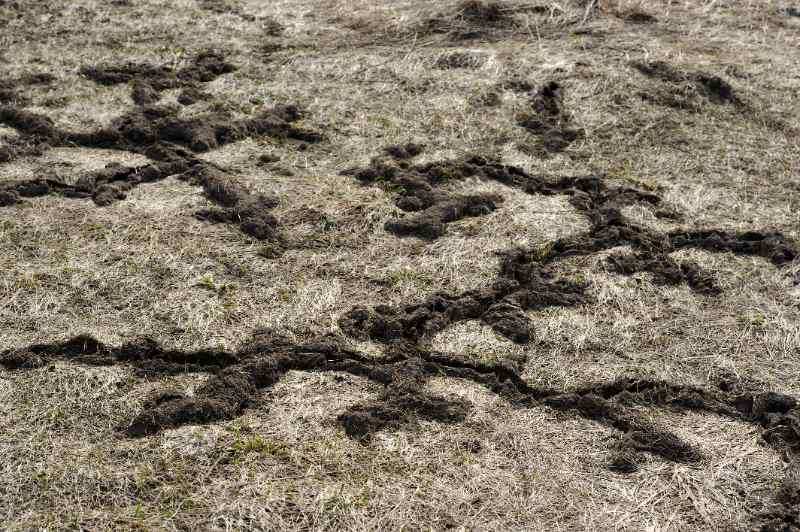
Image source: Bing (Web (fair-use with source credit))
If you go the trap route, here's the basic process:
- Locate an active tunnel by flattening a section and checking it after 24 hours.
- Set your trap according to the manufacturer's instructions, placing it over the reopened tunnel.
- Step down around the trap to block out light without collapsing the tunnel.
- Check the trap daily. If you haven't caught anything after three days, move it to a different active tunnel.
- Once you've caught the mole, fill in the tunnels and tamp down the soil.
One mole can cause a surprising amount of damage, but most residential yards only have one or two. You usually don't need to trap dozens of them. If you're still seeing new tunnels after catching a mole, you might have a second one, or the first one had young that are now mature enough to tunnel on their own.
Can You Tackle Both at Once? (And Should You?)
Here's where things get interesting. Grubs and moles are often connected, and understanding that connection changes your whole approach.
Moles eat grubs. That's a big part of their diet. But they also eat earthworms, beetles, and other soil insects.
So killing every grub in your yard won't necessarily send the moles packing. They'll just switch to their next favorite food source.
That said, if you've got a heavy grub infestation, it's probably attracting and supporting the mole population on your property. In that case, treating grubs first makes sense. You're removing a major food source, which makes your yard less appealing over time.
The smart sequence looks like this:
- Confirm both pests are present using the identification steps from earlier.
- Apply curative grub treatment in late summer when larvae are feeding near the surface.
- Wait four to six weeks for the grub population to drop.
- Set mole traps in active tunnels once grub numbers are down.
If you try to do everything at once, you risk wasting effort. Applying grub insecticide and setting traps simultaneously means you're working against yourself. The insecticide needs water and time to move through the soil, and all that foot traffic from trap-setting compacts the treatment zone.
There's one exception. If mole damage is severe and immediate, trap first. You can always follow up with grub control a few weeks later.
Stopping active tunneling takes priority when roots are being destroyed right now.
What Most People Get Wrong About Grub and Mole Control
After looking at years of extension research and aggregate homeowner reports, the same mistakes show up over and over. Avoiding these will put you ahead of most people tackling this problem.
Mistake 1: Treating for grubs in spring. By the time spring arrives, last year's grubs have already pupated and turned into beetles. They're gone. Spring applications of curative insecticide hit nothing.
If you want preventive control, late spring applications of the right product work. But spraying grub killer in April and May for an existing problem is wasted money.
Mistake 2: Watering nematodes with a quick spray. Beneficial nematodes need deep, consistent moisture to move through the soil and find grubs. A light surface watering won't cut it. You need to soak the treatment area and keep it moist for at least two weeks.
If the soil dries out, the nematodes die before they can do their job.
Mistake 3: Setting mole traps in every tunnel you see. Moles build multiple tunnel systems, and not all of them are active feeding runs. Setting traps in abandoned or exploratory tunnels gets you nowhere. Always test tunnels first by flattening a section and checking it the next day.
Mistake 4: Expecting one treatment to solve everything permanently. Grubs come back every year because adult beetles lay eggs in your lawn annually. Moles move in from neighboring properties. Long-term control means annual monitoring and treatment when thresholds are exceeded, not a one-and-done approach.
Mistake 5: Using the wrong product for the species. Milky spore only works on Japanese beetle grubs. If you've got European chafers, it won't help at all. Proper identification before treatment saves you from buying products that can't possibly work on your specific problem.
Costs, Timelines, and What Results to Actually Expect
Let's talk numbers so you can plan your budget and set realistic expectations.
DIY grub treatment costs:
- Curative insecticide (trichlorfon): $20 to $40 per application, covers roughly 5,000 square feet
- Preventive insecticide (chlorantraniliprole): $30 to $60 per application
- Beneficial nematodes: $25 to $50 per package, covers about 3,000 square feet
- Milky spore: $30 to $50 per treatment, multi-year investment
DIY mole control costs:
- Harpoon or scissor-jaw trap: $15 to $30 per trap
- Castor oil repellent concentrate: $15 to $25 per bottle, multiple applications needed
- Gas cartridges: $10 to $15 each, inconsistent results
Professional service costs:
- Grub treatment from a lawn care company: $100 to $300 per application depending on lawn size
- Mole trapping by a wildlife control operator: $150 to $500 depending on severity and number of visits
Timeline expectations:
| Method | Time to See Results | Duration of Control |
|---|---|---|
| Curative insecticide | 3 to 7 days | One season |
| Preventive insecticide | Prevents damage, no visible change | One season |
| Beneficial nematodes | 2 to 4 weeks | One season, may persist |
| Milky spore | 1 to 3 years for full effect | 10+ years once established |
| Mole trapping | 1 to 7 days per mole | Permanent for that mole |
| Castor oil repellent | 1 to 2 weeks | 30 to 60 days per application |
The honest truth is that no single treatment gives you permanent, set-it-and-forget-it control. Grub management is seasonal. Mole control is ongoing.
The homeowners who get the best results are the ones who monitor their lawns regularly and treat when needed, not the ones who panic-buy products after damage is already severe.
When to Call a Pro vs. Handling It Yourself
Most grub and mole problems are manageable on your own. But there are situations where calling in a professional saves you time, money, and frustration.
DIY makes sense when:
- You've correctly identified the pest
- The damage is limited to one area of the lawn
- You're comfortable following product label instructions
- You have a small to medium-sized yard
- You're dealing with a straightforward grub treatment or a single mole
Call a professional when:
- You can't identify the pest and need confirmation
- Damage is widespread across the entire property
- You've tried DIY methods twice without success
- Mole tunneling is damaging foundations, walkways, or utility lines
- You have a large property where manual trap-setting isn't practical
- Local regulations restrict certain trapping methods or pesticide applications
Wildlife control operators who specialize in mole removal typically charge per visit or per animal caught. Some offer warranties where they'll return for free if moles reappear within a certain window. Ask about that upfront.
For grub control, lawn care companies often bundle treatments into seasonal plans. If you're already using a service for fertilization and weed control, adding grub prevention is usually inexpensive. The key is making sure they're applying the right product at the right time of year.
Don't be afraid to ask what active ingredient they're using and when they plan to apply it.
Keeping Them from Coming Back: Long-Term Prevention
The best pest control is making your lawn less hospitable in the first place. A healthy, thick turf resists grub damage better and supports fewer moles over time.
For grub prevention:
- Mow at the proper height for your grass type. Taller grass develops deeper roots that can handle some grub feeding without showing damage.
- Water deeply and infrequently rather than light, daily watering. This encourages deep root growth.
- Apply preventive grub control annually if you've had problems in the past. Consistency matters more than product choice.
- Reduce outdoor lighting in summer. Adult beetles are attracted to lights at night, which increases egg-laying near your home.
- Overseed thin areas in fall. Bare spots are where beetles prefer to lay eggs.
For mole prevention:
- Reduce earthworm populations by avoiding excessive organic topdressing. This sounds counterintuitive for lawn health, but fewer earthworms means less mole food.
- Keep soil on the drier side in areas where moles are a recurring problem. Moist soil attracts both earthworms and grubs.
- Install underground barriers around garden beds and high-value landscape areas. Hardware cloth buried two feet deep can block tunneling in specific zones.
- Address grub problems promptly. A declining grub population makes your yard less attractive to moles looking for their next meal.
The combination of healthy lawn practices and targeted seasonal treatments gives you the best long-term results. No single trick eliminates these pests forever, but a consistent approach keeps damage minimal and manageable.
Frequently Asked Questions
What's the fastest way to get rid of grubs?
Apply a curative insecticide containing trichlorfon in late summer when grubs are small and feeding near the soil surface. You'll typically see results within three to seven days. This is the quickest option, but it only works during the right window.
Will getting rid of grubs get rid of moles?
It helps, but it's not a guarantee. Moles eat earthworms and other insects too, so they may stick around even after grubs are gone. Reducing the grub population removes a major food source, which makes your yard less attractive over time.
When is the best time to treat for grubs?
For curative treatment, July through September when larvae are actively feeding near the surface. For preventive treatment, late May through June before new eggs hatch. Timing matters more than the product you choose.
Are grub treatments safe for pets?
Most EPA-registered grub insecticides are safe for pets once the product has dried and been watered in according to the label. Keep dogs and cats off the treated area for 24 to 48 hours after application. Beneficial nematodes are safe immediately.
How do I know if mole traps are working?
Check traps daily. If a trap hasn't caught anything after three days, move it to a different active tunnel. Moles use multiple tunnel systems, and you may have set the trap in a less-traveled run.
Can I use milky spore for all types of grubs?
No. Milky spore only targets Japanese beetle grubs. It won't work on European chafer, June beetle, or other grub species.
Proper identification before treatment is essential for this approach to be effective.