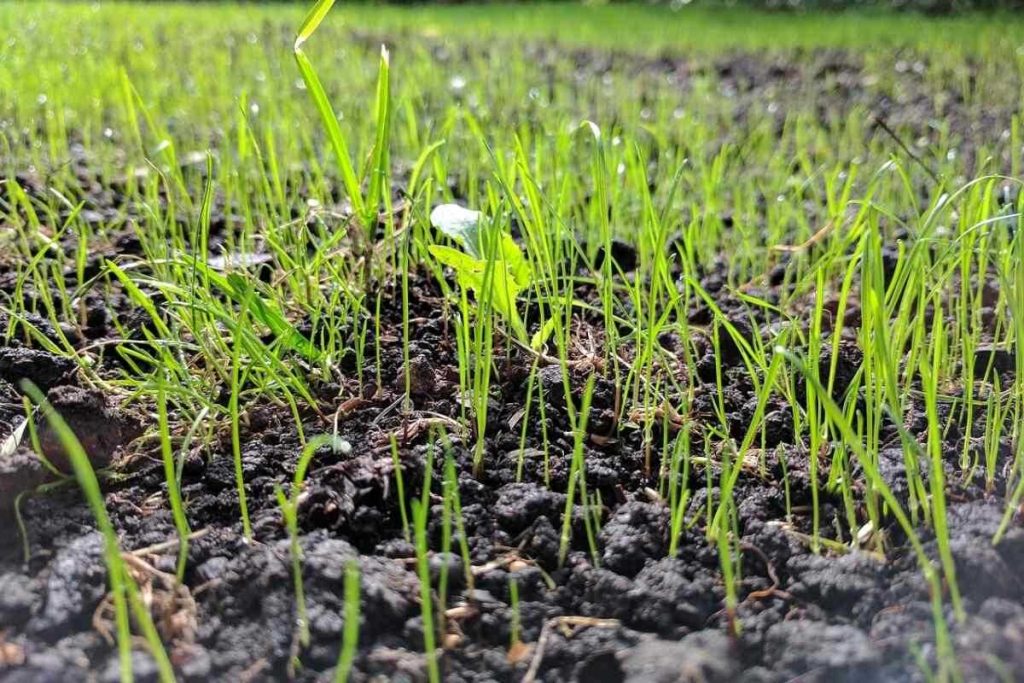
If you’re looking to achieve a lush, green lawn, understanding grass seed is essential. The right grass seed can make all the difference in creating a vibrant outdoor space. Whether you’re starting from scratch, reseeding a patchy lawn, or looking to improve your existing grass, knowing the types of grass seed, their growth habits, and the right planting techniques is crucial. Factors like climate, soil type, and intended use of your lawn all play a role in determining which grass seed is best for you. From selecting the right variety to proper care and maintenance, this guide will cover everything you need to know about grass seed to help you cultivate a thriving lawn that you can enjoy year-round.

“`html
Everything You Need To Know About Grass Seed
Introduction to Grass Seed
Grass seed is a vital component for anyone looking to establish a lush, green lawn. It allows for growth and rejuvenation of your grassy areas. Understanding grass seed starts with knowing the different types available and their specific needs. There are various factors to consider when selecting grass seed, including climate, soil type, and how much sunlight the area gets.
Types of Grass Seed
There are many varieties of grass seed. Each type has its unique qualities and ideal growing conditions. Here are the main types categorized by climate:
- Cool-season grasses: Perfect for northern climates, these grasses thrive in cooler temperatures. Examples include Kentucky Bluegrass, fescue, and ryegrass.
- Warm-season grasses: Ideal for southern regions, these grasses prefer warmer temperatures. Varieties include Bermuda, zoysia, and centipede grass.
Understanding these categories helps you select the right seed for your specific environment.
Cool-Season Grasses
Cool-season grasses grow vigorously during the spring and fall. They become dormant in the heat of summer. Kentucky Bluegrass is popular due to its rich color and ability to withstand drought.
Warm-Season Grasses
Warm-season grasses have a different growth pattern. They thrive during the summer months and may brown out in colder temperatures. Bermuda grass is loved for its durability and quick recovery from wear.
How to Choose the Right Grass Seed
Selecting the appropriate grass seed is crucial for a successful lawn. Consider these factors:
- Climate: Know whether you live in a cool or warm region.
- Sunlight: Determine how much sun the area gets daily.
- Soil Type: Test your soil for texture and pH.
A soil test helps you understand what nutrients your lawn may need. This can help you choose the right fertilization plan as well.
Preparing the Soil for Grass Seed
Before planting grass seed, your soil needs preparation. Here is how to go about it:
- Clear the area: Remove weeds, rocks, and debris.
- Till the soil: Loosen the top 2 to 4 inches for better seed contact.
- Add amendments: Consider adding compost or fertilizer based on your soil test.
- Level the soil: Rake the area until it is smooth to prevent water pooling.
These steps ensure that your seeds have the best chance to germinate and thrive.
How to Plant Grass Seed
Planting grass seed follows a simple process. Here’s a step-by-step guide:
- Choose the right time: The best time to plant will depend on the type of seed.
- Spread the seed: Use a broadcast spreader for even distribution.
- Cover the seed: Lightly rake or topdress with soil to protect the seeds.
- Water appropriately: Keep the area moist, but avoid soaking.
Proper planting encourages healthy growth and a vibrant lawn.
Watering Your Grass Seed
Watering is essential for newly planted grass seed. Here’s how to do it right:
- Initial watering: Water lightly immediately after sowing.
- Consistency: Water daily, keeping the soil moist until germination.
- Adjust as needed: Once grass grows, reduce watering frequency.
Proper watering helps stimulate germination and growth.
Fertilizing Grass Seed
Fertilization plays a key role in the health of your grass. Here are some tips:
- Type of fertilizer: Use a starter fertilizer designed for new lawns.
- Timing: Apply after the grass has germinated but is still young.
- Follow directions: Always adhere to the recommended rates on the package.
Fertilizer boosts growth and strengthens the grass root system.
Common Grass Seed Problems
While planting grass seed can be straightforward, issues may arise. Here are common problems and their solutions:
- Weeds: Weeds can compete with grass for nutrients. Use mulch or landscape fabric as a barrier.
- Pests: Insects can damage new grass. Use insecticides only as necessary.
- Disease: Fungal diseases may appear. Proper watering and airflow can prevent many issues.
Being aware of these potential problems helps you manage your lawn better.
Maintaining Your Grass Lawn
Once your grass is established, maintenance is key. Here’s how to keep it looking great:
- Mow regularly: Keep grass at the optimal height for your specific type.
- Water wisely: Deep watering encourages root growth.
- Fertilize as needed: Reapply fertilizer at recommended intervals.
- Overseed if necessary: Reapply seed to bare spots to maintain thickness.
These maintenance tips ensure a healthy lawn year-round.
Understanding Grass Seed Labels
Reading grass seed labels can seem confusing. Here’s how to decipher them:
- Seed type: Indicates the specific grass varieties included.
- Purity percentage: Shows the percentage of pure seed in the bag.
- Germination rate: Tells how many seeds are likely to sprout.
Taking the time to read and understand labels can save you time and effort in the long run.
Grass seed plays a crucial role in creating and maintaining a beautiful lawn. By understanding the types of grass seed, how to plant, and care for it, you can achieve a lush, green yard. With the right preparation, planting, and maintenance, your lawn can thrive for years to come.
“`
What to look for when buying grass seed
Frequently Asked Questions
“`html
What are the different types of grass seed available?
Grass seed comes in various types, including cool-season grasses and warm-season grasses. Cool-season grasses like Kentucky bluegrass and fescue thrive in northern climates, while warm-season grasses such as Bermuda and Zoysia perform better in southern areas. Each type has its unique growth patterns and maintenance needs, so it’s essential to choose the one that suits your local climate and intended use.
How do I prepare my lawn for grass seed planting?
Before planting grass seed, prepare your lawn by clearing the area of debris, rocks, and weeds. Aerate the soil to improve drainage and nutrient absorption. You can also amend the soil with compost or fertilizer to provide essential nutrients. Rake the area to create a smooth seedbed and ensure good seed-to-soil contact during planting.
When is the best time to sow grass seed?
The optimal time for sowing grass seed largely depends on the type of grass you choose. For cool-season grasses, late summer to early fall is ideal, as temperatures are moderate, and there is sufficient moisture. In contrast, warm-season grasses benefit from being planted in late spring or early summer when the soil is warm, promoting faster germination.
How often should I water newly planted grass seed?
Newly planted grass seed requires consistent moisture for optimal germination. Water the area lightly and frequently, typically two to three times a day, ensuring the top inch of soil stays moist but not soggy. Once the grass begins to germinate and establishes a decent root system, you can gradually reduce the frequency of watering.
What is the best way to maintain a healthy lawn after seeding?
Maintaining a healthy lawn after seeding involves regular watering, mowing, and fertilization. Water deeply but less frequently to encourage deep root growth. Mow the grass when it reaches about 3 inches in height, removing no more than one-third of the blade at a time. Additionally, apply a nitrogen-rich fertilizer about 4 to 6 weeks after germination to provide essential nutrients.
“`
Final Thoughts
Everything You Need To Know About Grass Seed emphasizes the importance of selecting the right type for your lawn. Consider factors like climate, soil type, and maintenance needs to ensure healthy growth. Proper preparation, seeding techniques, and care will lead to a lush, vibrant lawn. By understanding grass seed options and their requirements, you can create an outdoor space that thrives throughout the seasons.