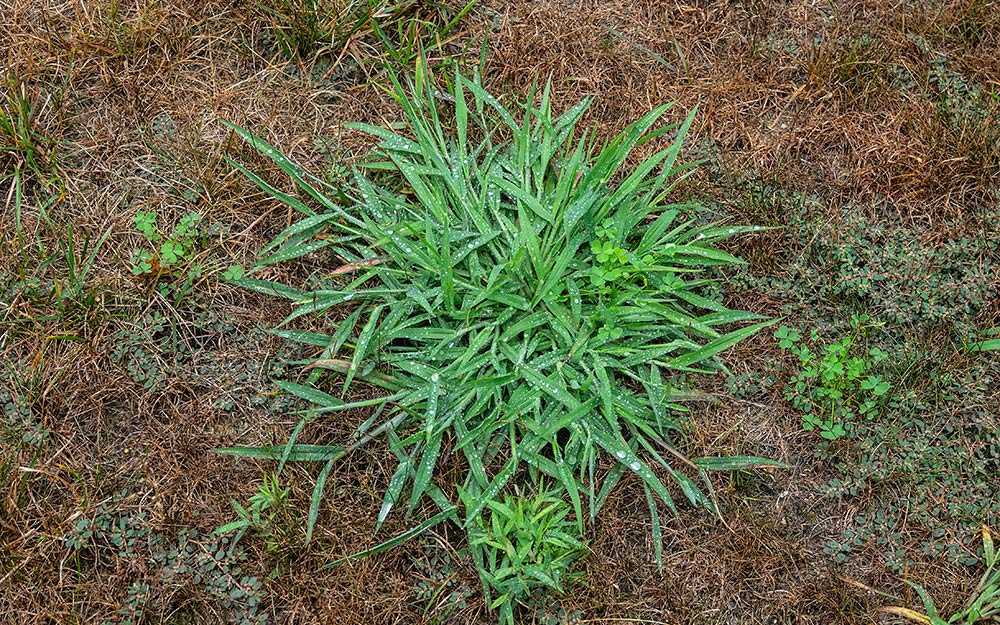
Quick Answer: To get rid of crabgrass, you need to take immediate action by implementing a combination of preventive measures and effective removal techniques.
Welcome to our blog article on how to get rid of crabgrass! If you’re a homeowner or gardener, dealing with this pesky weed can be a real headache. Crabgrass, scientifically known as Digitaria, is an invasive grassy weed that can quickly take over your lawn or garden if left untreated. Its ability to spread rapidly through seeds and root systems makes it a formidable opponent. But fear not, we’re here to help you reclaim your green space!
In this article, we’ll provide you with practical tips and techniques to combat crabgrass effectively. Whether you’re looking for preventive measures to keep it from infiltrating your lawn or need guidance on how to eliminate an existing infestation, we’ve got you covered. We’ll explore both natural and chemical approaches, so you can choose the method that aligns with your preferences and environmental concerns.
So, let’s dive in and get your lawn crabgrass-free once and for all!

How to Get Rid of Crabgrass: A Comprehensive Guide
Introduction
Crabgrass is a common weed that can quickly take over lawns and gardens if not properly controlled. Its rapid growth and resilient nature make it a nuisance for homeowners and gardeners alike. In this guide, we will explore effective methods to eliminate crabgrass and prevent its return, ensuring a healthy and lush lawn. From manual removal to chemical treatments, we’ve got you covered. Let’s dive in!
Understanding Crabgrass
Before we delve into eradication methods, it’s essential to understand what exactly we’re dealing with. Crabgrass (scientifically known as Digitaria sanguinalis) is an annual weed that thrives in warm-season grasses and open areas. It reproduces through seeds, which can remain dormant in the soil for several years. Identifying crabgrass is relatively easy – it has light green leaves that form a low-lying rosette and can root at multiple points along its stems.
Why is Crabgrass a Problem?
While some may view crabgrass as just an unsightly intruder, its presence can have several negative consequences for your lawn. Here are a few reasons why getting rid of crabgrass is crucial:
- Crabgrass competes with desirable grass species for nutrients, water, and sunlight, leading to thinning or bare patches in your lawn.
- It has a rapid growth rate, often outcompeting and choking out other grasses.
- Crabgrass can produce thousands of seeds, contributing to its quick spread and making it challenging to control.
- It doesn’t go dormant during droughts like some turfgrass varieties, remaining green and persistent when other grasses struggle.
- Crabgrass can also diminish the overall aesthetic appeal of your lawn, affecting its value and curb appeal.
Manual Removal
If you prefer non-chemical approaches or have a small infestation, manual removal can be an effective method to get rid of crabgrass. However, it requires time and patience. Here’s how you can go about it:
Tools Needed
To successfully remove crabgrass manually, you will need the following tools:
- Gardening gloves
- A trowel or a weeding tool
- A sharp pair of gardening shears
Step-by-Step Process
Follow these steps to manually remove crabgrass from your lawn:
- Put on your gardening gloves to protect your hands.
- Identify the crabgrass by its light green color and clumpy growth habit.
- Use the trowel or weeding tool to dig into the soil around the crabgrass, loosening it while taking care not to disturb the surrounding grass.
- Gently pull the crabgrass from the ground, ensuring you remove the entire root system.
- If the crabgrass is well-established and difficult to pull, use the gardening shears to cut it at ground level.
- Dispose of the crabgrass in a bag to prevent any seeds from spreading.
- Repeat this process for each individual crabgrass plant, ensuring you remove as much of the weed as possible.
Tips for Success
To increase the effectiveness of manual removal, consider these tips:
- Start the removal process early in the season, ideally when the crabgrass is young and hasn’t produced seeds.
- Water the lawn thoroughly a day or two before removal to soften the soil, making it easier to pull out the weed.
- Regularly check your lawn for emerging crabgrass and promptly remove it to prevent further spread.
- Ensure you dispose of the removed crabgrass properly, as any seeds left behind could lead to more weed growth.
Chemical Control
For larger infestations or when manual removal isn’t feasible, chemical control methods can be effective in eradicating crabgrass. It’s important to choose herbicides specifically formulated to target crabgrass while minimizing harm to desirable grass species. Here’s what you need to know:
Pre-Emergent Herbicides
Pre-emergent herbicides are applied before crabgrass germination, preventing its growth altogether. These products form a barrier on the soil surface, inhibiting seed germination and reducing the chances of crabgrass taking hold. It’s crucial to apply pre-emergent herbicides at the right time, typically when soil temperatures reach around 55°F (13°C).
Post-Emergent Herbicides
Post-emergent herbicides are designed to kill actively growing crabgrass. They are useful when pre-emergent methods fail or for tackling mature crabgrass plants. These herbicides can be selective or non-selective. Selective herbicides target specific weeds while leaving desirable grasses unharmed, while non-selective herbicides kill all vegetation they come into contact with.
Application Tips
When using herbicides to control crabgrass, consider the following tips:
- Read and follow the manufacturer’s instructions carefully to ensure proper application.
- Choose a calm day with no wind to prevent the herbicide from drifting onto desirable plants.
- Use a sprayer or applicator specifically designed for herbicide application to achieve even coverage.
- Apply the herbicide when the weather is dry and rain is not expected for at least 24 to 48 hours.
- Avoid applying herbicides on extremely hot days, as it may damage the turfgrass.
- Keep children and pets away from the treated area until the herbicide has dried completely.
Integrated Approach
For optimal results, consider combining manual removal with chemical control methods as part of an integrated approach. This approach maximizes effectiveness while minimizing the use of herbicides, ensuring a healthier lawn in the long run.
Preventing Crabgrass
While eradication is crucial, preventing crabgrass from taking hold in the first place is equally important. By implementing preventive measures, you can minimize the need for constant removal or chemical treatments. Here are some preventative steps:
Maintain Proper Lawn Care Practices
A healthy, well-maintained lawn is less susceptible to weed infestations, including crabgrass. Follow these practices to promote a robust turf that can suppress weed growth:
- Mow at the appropriate height for your grass type, removing only one-third of the grass blade.
- Water deeply but infrequently, encouraging deep root growth and making it harder for weeds to establish.
- Fertilize your lawn regularly, following recommended guidelines for your specific grass species.
- Aerate the soil periodically to improve water and nutrient penetration.
Overseed Bare Patches
Bare patches in your lawn provide an open invitation for crabgrass and other weeds to take over. Overseeding these areas helps fill in the gaps, making it harder for unwanted plants to gain a foothold. Choose grass varieties that are well-suited to your climate and match the existing turfgrass.
Apply a Pre-Emergent Herbicide
As mentioned earlier, pre-emergent herbicides can be a valuable tool in preventing crabgrass. By applying these products at the right time, you can create a barrier that stops crabgrass seeds from germinating. Follow the instructions on the herbicide label for the correct application timing and rates.
Regular Inspections
Regularly inspect your lawn for signs of crabgrass or other weeds. By catching and removing these invaders early, you can prevent them from spreading and minimize the effort required for control.
Crabgrass may be a persistent and bothersome weed, but with the right approach, you can regain control over your lawn. Whether you opt for manual removal, chemical treatments, or a combination of methods, persistence and consistency are key. By understanding the life cycle of crabgrass and implementing preventive measures, you can enjoy a healthy, weed-free lawn that enhances the beauty and value of your outdoor space. So roll up your sleeves, get to work, and say goodbye to crabgrass for good!
How to Get Rid of Crabgrass (4 Easy Steps)
Frequently Asked Questions
How do I get rid of crabgrass in my lawn?
To get rid of crabgrass in your lawn, you can follow these steps:
What is the best time to prevent crabgrass?
The best time to prevent crabgrass is in early spring before the crabgrass seeds start to germinate. Applying a pre-emergent herbicide during this time will create a barrier and prevent the seeds from sprouting.
Can I manually remove crabgrass?
Yes, you can manually remove crabgrass by hand. Use a trowel or a weed puller to dig out the entire plant, including the roots. Make sure to remove as much of the root system as possible to prevent regrowth.
How can I treat an existing crabgrass problem?
If you already have crabgrass in your lawn, you can treat it by using a post-emergent herbicide specifically designed to target crabgrass. Follow the instructions on the product label and apply it directly to the crabgrass plants.
Can I prevent crabgrass without using chemicals?
Yes, you can prevent crabgrass without using chemicals by practicing proper lawn care techniques. Maintaining a healthy and thick lawn will help choke out crabgrass and prevent it from taking over. Regular mowing, watering deeply but infrequently, and fertilizing appropriately will all contribute to a healthier lawn.
Is it necessary to reseed after getting rid of crabgrass?
In some cases, it may be necessary to reseed after getting rid of crabgrass. If the crabgrass has caused significant damage to your lawn, reseeding will help fill in the bare patches. Make sure to follow proper seeding techniques and provide adequate water and care for the newly seeded areas.
Final Thoughts
To effectively get rid of crabgrass, there are several proactive measures you can take. Firstly, regularly mow your lawn at the recommended height to discourage crabgrass growth. Additionally, ensure your lawn receives the appropriate amount of water, as overwatering can promote crabgrass development. Applying a pre-emergent herbicide in early spring is also crucial in preventing crabgrass from germinating. For existing crabgrass, manually removing them and applying a post-emergent herbicide are effective solutions. By following these steps, you can successfully combat and eliminate crabgrass from your lawn and maintain a healthy, crabgrass-free environment.