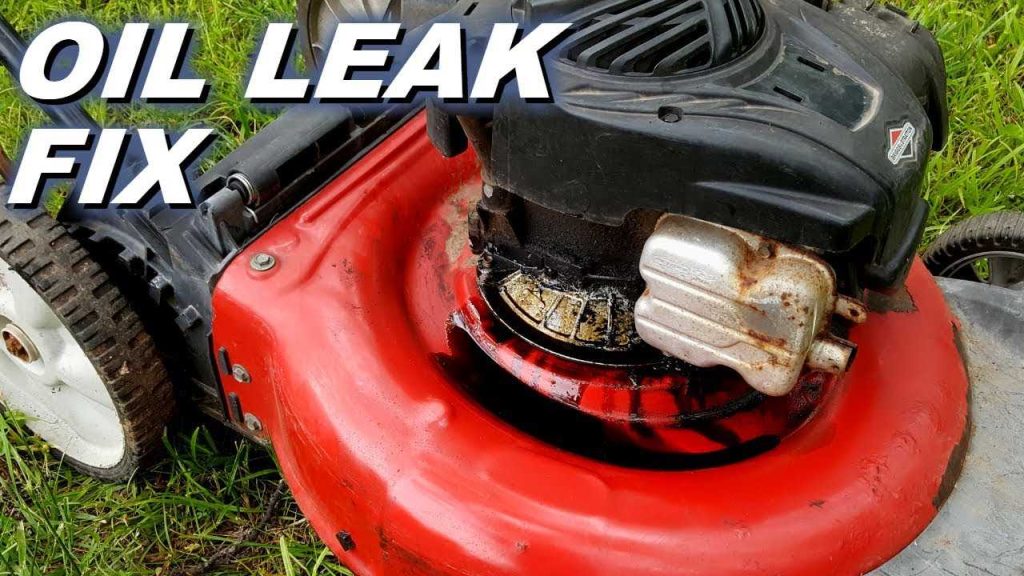
To fix an oil leak on your lawn mower quickly, start by locating the source of the leak, then tighten or replace the faulty gasket or seal. Make sure to clean the area thoroughly before reassembling, and check for any cracks or damage in the oil pan or oil filter. Regular maintenance and timely repairs can prevent future leaks and keep your mower running smoothly.
In short, identifying the leak’s origin is key—whether it’s a loose bolt, worn gasket, or cracked part. Once you know where the problem lies, tightening or replacing the damaged component usually solves the issue efficiently. Proper inspection and maintenance ensure your mower stays in top shape and avoids troublesome leaks down the line.
If your lawn mower is leaking oil, don’t panic. Oil leaks can stem from various issues like loose bolts, damaged gaskets, or cracks in the oil pan. To fix this, start by cleaning the area to clearly see the source, then tighten any loose bolts or replace worn gaskets. If you notice cracks, you’ll need to replace the damaged parts. Regular checks and maintenance can help prevent future leaks and extend the lifespan of your mower. Addressing small issues promptly will save you time and money, ensuring your lawn looks pristine without the hassle of dealing with oil messes.

How to Fix an Oil Leak on a Lawn Mower
Understanding the Causes of Oil Leaks in Your Lawn Mower
Oil leaks are common issues that can happen for several reasons. Recognizing the root cause helps you fix the problem efficiently. Common causes include worn-out gaskets, loose bolts, or damaged seals. Sometimes, overfilled oil or debris buildup can also lead to leaks.
Worn-out gaskets are often the main culprits. They shrink or crack over time, allowing oil to escape. Loose bolts or screws on the oil pan or valve cover can also create gaps where oil leaks. Damaged seals around the crankshaft or oil filter are other frequent sources of leaks.
Understanding these causes allows you to pinpoint where the leak originates. Take a close look at your mower’s oil area for signs of oil pooling or dripping. Identifying the exact location helps determine whether you need a gasket replacement or seal repair.
Tools and Supplies Needed for Repair
Before starting the repair process, gather all necessary tools. Having the right supplies makes the job easier and quicker. Here’s what you will typically need:
- Socket set and ratchet wrench
- Screwdriver set
- Replacement gaskets and seals
- Engine oil (if a top-up is needed)
- Drain pan for old oil
- Clean rags or paper towels
- Rubber mallet (optional)
- Gasket scraper or putty knife
- Sealant (if recommended by your mower’s manufacturer)
Make sure to also have safety gear such as gloves and eye protection. These keep you safe during the repair process.
Preparing Your Lawn Mower for Repair
Start by turning off your lawn mower and disconnecting the spark plug. This prevents accidental starting while working on the engine. Next, allow the engine to cool down completely to avoid burns from hot parts.
Position the mower on a flat, stable surface. Use jack stands or blocks if necessary to lift and support the mower securely. Drain excess oil into a container, so it doesn’t spill during the repair.
Clean the area around the oil leak thoroughly. Removing dirt and debris reveals the true source of the leak and prevents contamination during gasket or seal replacement. Keep your tools organized and ensure you have adequate lighting to see small parts clearly.
Locating the Exact Source of the Oil Leak
Careful inspection is crucial to find where the oil is leaking from. Start by tilting the mower on its side so you can see underneath easily. Look for fresh oil spots, wet areas, or oil drips on the engine.
Check key components such as the oil pan seal, valve cover gasket, crankshaft seal, and oil filter housing. Use a flashlight for better visibility in tight spots. If the leak is slow, running the engine briefly can help spot the source when oil begins to seep out.
Identify whether the leak is coming from a loose bolt, a damaged gasket, or a crack in the engine housing. Pinpointing the exact location saves time and prevents unnecessary work.
Steps to Fix an Oil Leak on a Lawn Mower
Step 1: Drain the Oil Properly
Start by removing the drain plug if your mower has one, or tip the mower to drain the oil through the filler opening. Use a drain pan to catch the old oil. This prevents mess and prepares the engine for further inspection.
Make sure to dispose of the used oil at an authorized recycling center. Never pour it down the drain or onto the ground.
Step 2: Remove Components Blocking Access
Loosen and remove parts such as the valve cover, oil filter, or blower housing if necessary. Use the appropriate screwdriver or socket wrench. Be careful not to damage surrounding parts.
Keeping track of screws and gaskets will make reassembly easier. Use a container or tray for small parts to avoid losing them.
Step 3: Inspect and Replace Damaged Gaskets and Seals
Examine all gaskets and seals closely. If you notice cracks, tears, or deformation, replace them with new parts. Use a gasket scraper or putty knife to remove old gasket material carefully.
Apply gasket sealant if recommended. Ensure the new gasket sits evenly and securely in place before reassembling.
Step 4: Tighten Bolts and Reassemble
Tighten all bolts to manufacturer specifications, avoiding over-tightening which can crack parts. Reinstall the valve cover, oil filter, and other components in reverse order of removal. Double-check that all parts are snug and properly aligned.
Step 5: Refill with Fresh Oil
Pour the recommended amount and type of oil into the engine. Use the oil fill cap and check the level with the dipstick. Top off or drain excess oil as needed for the correct level.
Replace the oil fill cap securely and wipe away any spills.
Testing and Final Checks
Start your lawn mower and let it run for a few minutes. Observe around the repaired area for signs of new leaks. If no leaks appear, turn off the engine and recheck the oil level.
Inspect the area again and ensure all bolts are tight. Additionally, check the oil filter and drain plug for secure fit. Properly disposing of any used materials and cleaning your workspace completes the repair process.
Preventing Future Oil Leaks
Regular maintenance extends the life of your mower and prevents leaks. Change the oil as recommended by the manufacturer, usually after 25 to 50 hours of use.
Inspect gaskets and seals periodically for signs of wear or damage. Keep the mower clean, especially around the engine and oil areas. Tighten loose bolts and replace worn parts promptly.
Storing the mower in a dry, shaded location prevents corrosion and deterioration of seals. These habits significantly reduce the risk of future oil leaks and costly repairs.
Additional Tips for Maintaining a Healthy Lawn Mower
- Use the correct oil type and follow manufacturer guidelines
- Check oil levels before each mowing session
- Clean air filters regularly to ensure efficient engine operation
- Perform periodic engine inspections to catch problems early
- Keep the mower deck clean to prevent debris buildup that could interfere with oil circulation
Maintaining your mower well not only prevents oil leaks but also keeps it running smoothly for longer. Proper care and timely repairs help you avoid costly breakdowns and ensure your lawn stays neat and healthy.
Lawmower has huge oil leak problem.
Frequently Asked Questions
What are the common causes of oil leaks in lawn mowers?
Oil leaks often happen due to worn or damaged gaskets, seals, or O-rings. Over time, vibration and exposure to dirt can cause these components to deteriorate, leading to leaks. Additionally, overfilling the oil chamber or puncturing the oil filter can result in leaks. Regular maintenance and inspecting these parts can help prevent leaks from developing.
How can I identify the exact source of an oil leak on my lawn mower?
Start by inspecting the underside of the mower and around the engine components for signs of oil accumulation. Check the oil fill cap, oil filter, and drain plug for any looseness or damage. Wipe the suspected areas clean and run the mower briefly; then monitor where fresh oil appears to pinpoint the leak. Use a flashlight if needed to see tight spots and hidden cracks.
What steps should I take to temporarily stop an oil leak before repairs?
To control an active leak temporarily, turn off the mower and clean the affected area to remove excess oil. Tighten any loose drain plugs or caps if possible. In some cases, applying a rubber or silicone sealant around the leak area can provide a short-term solution. However, plan to perform a permanent fix promptly to prevent engine damage and maintain safety.
What tools and parts are necessary for fixing an oil leak on a lawn mower?
You’ll typically need basic hand tools such as wrenches, screwdrivers, and pliers. Replacement gaskets, seals, or O-rings specific to your mower model are essential. Having some engine oil, a drain pan, and cleaning supplies will also help during the repair process. Consult your mower’s manual to identify the exact parts needed for your specific model.
Are there preventative measures to avoid future oil leaks in lawn mowers?
Yes, regularly check and tighten oil fill caps and drain plugs. Change the engine oil according to the manufacturer’s schedule to prevent sludge buildup that can cause leaks. Keep the mower clean to spot potential issues early, and replace worn gaskets or seals before they fail. Proper storage and avoiding overfilling the oil chamber also help extend the mower’s lifespan and prevent leaks.
Final Thoughts
Pour fixer une fuite d’huile sur une tondeuse, commencez par vérifier le niveau d’huile et identifiez la fuite. Ensuite, serrez toutes les vis et boulons pour assurer une étanchéité. Si la fuite persiste, remplacez le joint ou le filtre d’huile défectueux. En suivant ces étapes, vous pouvez facilement réparer une fuite d’huile sur une lawn mower et assurer son bon fonctionnement.