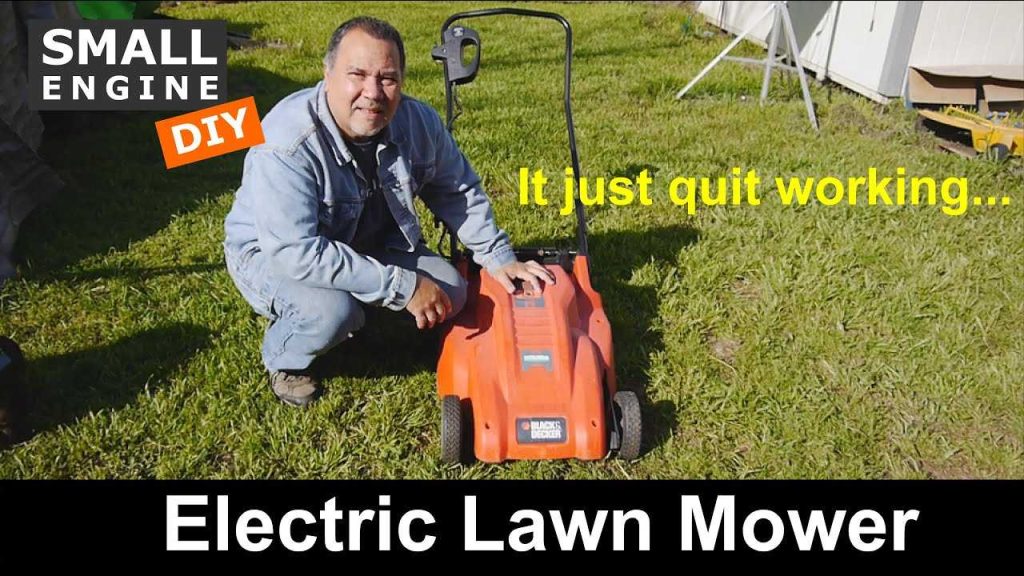
If your electric lawn mower isn’t cutting it anymore, don’t worry—most issues can be fixed quickly with a few simple steps. Start by checking the power source, blades, and safety features, then troubleshoot common problems like motor trouble or clogged parts. Keep your mower in top shape and enjoy a pristine lawn all season long!
To fix an electric lawn mower, first ensure it’s properly plugged in and the outlet works. Check the power cord for damage, and replace it if needed. Inspect the blades for rust, damage, or obstructions, and sharpen or replace them. If the motor isn’t running, examine the switch and safety features, making sure they are engaged correctly. Regular maintenance and prompt repairs will keep your mower running smoothly and extend its lifespan.
Mowing the lawn is a routine chore, but it becomes frustrating when your electric mower refuses to start or stops working mid-job. Unlike gas mowers, electric models are simpler to troubleshoot because they have fewer moving parts. The key to fixing your electric mower lies in understanding its basic components—power supply, motor, blades, and safety switches—and knowing how to assess each one. Quick fixes can often resolve most issues, saving you the cost of professional repairs and allowing you to enjoy a beautifully manicured yard without delay. Whether it’s replacing a damaged cord, clearing debris, or checking switches, a little know-how can make all the difference in getting your mower back in action.

How to Fix an Electric Lawn Mower
Electric lawn mowers are popular because they are easy to use and environmentally friendly. However, like any tool, they can sometimes face issues that prevent them from working properly. Knowing how to fix an electric lawn mower can save you time and money. This guide will walk you through common problems and step-by-step solutions to get your mower running smoothly again.
Understanding Your Electric Lawn Mower
Before fixing your mower, it’s important to understand its main components. Usually, an electric lawn mower includes a power cord or battery, a motor, a blade, and safety switches. Proper maintenance and understanding of these parts help in diagnosing problems more accurately.
Common Problems with Electric Lawn Mowers
1. Mower Won’t Turn On
If your mower doesn’t start, it might be a power issue or a problem with the safety switches. First, check if the power cord is plugged in correctly or if the battery is charged. Safety switches can prevent operation if they aren’t engaged properly.
2. The Mower Starts but Doesn’t Cut
This usually indicates a dull or broken blade. It can also be caused by the motor being unable to generate enough power. Inspect the blade and ensure it’s sharp and firmly attached.
3. The Mower Stops Suddenly
This can happen due to overheating, a tangled blade, or electrical issues. Regularly check for debris wrapped around the blade and cool down the motor if it feels hot.
4. Unusual Noises or Sparks
Strange sounds or sparks from the motor might signal electrical problems or damaged parts. Turn off the mower immediately and inspect for worn wires or faulty connections.
Step-by-Step Troubleshooting Guide
Check the Power Source
Ensure the power cord is undamaged and plugged into a functioning outlet. If using a battery, verify it is fully charged and properly seated in the mower.
Inspect Safety Switches and Circuit Breakers
Most electric mowers have safety features that prevent accidental starting. Confirm all safety switches are in the correct position. Reset any circuit breakers if tripped.
Examine the Power Cord and Connections
Look for frayed wires, cuts, or loose connections. Replace or repair damaged wires to restore safe operation.
Test the Power Outlet
Use another device to test the outlet. If it’s not working, reset your circuit breaker or try a different socket.
Maintaining and Replacing Crucial Parts
Sharpening or Replacing the Blade
A dull blade reduces cutting efficiency. Use a file or a grinder to sharpen it, or replace it if damaged. Always disconnect the power before handling blades.
Cleaning the Blade and Deck
Remove grass clippings and debris from the blade and deck for better performance. Use a brush or hose to clean the parts thoroughly.
Checking the Motor
If the motor makes unusual noises or fails to run, it might need cleaning or replacement. Consult a professional if you’re unsure about electrical repairs.
Electrical Repairs and Safety Tips
Handling Electrical Components
Always unplug the mower before inspecting or repairing electrical parts. Use insulated tools and wear protective gloves to avoid shocks.
Replacing Faulty Switches or Wiring
Damaged switches or wires should be replaced with compatible parts. Follow the manufacturer’s instructions for safe installation.
Testing the Motor
Use a multimeter to check for continuity in the motor windings. If no continuity exists, replacing the motor might be necessary.
When to Seek Professional Help
If your troubleshooting efforts don’t resolve the issue, consult a professional. Problems like motor failure or complex electrical issues require specialized knowledge and tools.
Preventative Maintenance to Avoid Future Problems
- Regularly clean grass and debris from the deck and blades.
- Sharpen blades at least twice a season.
- Inspect cords and wiring for damage before each use.
- Charge batteries fully and store them properly.
- Keep the mower in a dry, protected place when not in use.
Additional Tips for Maintaining Your Electric Lawn Mower
- Follow the manufacturer’s maintenance schedule.
- Use the right replacement parts recommended by the manufacturer.
- Lubricate moving parts as instructed to reduce wear.
- Check the safety features regularly to ensure they function correctly.
Related Topics to Explore
- How to Store an Electric Lawn Mower During Off-Season
- Best Practices for Battery Maintenance in Cordless Mowers
- Choosing the Right Replacement Blades for Your Mower Model
- Understanding Electric Mower Safety Features
By following these detailed steps and tips, you can troubleshoot and fix most common issues with your electric lawn mower. Regular maintenance and careful handling will help extend the life of your mower and keep your yard looking its best all season long.
How to Fix Electric Lawnmower (Rectifier) – Trips Circuit Breaker Short Circuit (Task Force)
Frequently Asked Questions
How can I troubleshoot my electric lawn mower if it doesn’t start?
If your electric lawn mower fails to start, first check the power cord and ensure it’s securely connected to a working outlet. Examine the extension cord for any cuts or damage. Then, inspect the safety switch and make sure it’s engaged properly. If the mower has a fuse, verify whether it’s blown and replace it if necessary. Also, look for any debris blocking the blades or motor, which could prevent operation. Performing these steps can often identify the cause of the startup issue.
What steps should I take to replace a faulty drive belt on my electric mower?
To replace a worn or broken drive belt, unplug the mower before starting. Remove the grass catcher and any other removable parts to access the underside. Use a wrench or screwdriver to take off the belt cover. Release tension from the belt and slide it off the pulleys. Fit the new belt onto the pulleys, making sure it’s properly aligned. Reassemble the cover and other parts, then test the mower to ensure it moves smoothly. Regularly inspecting the belt can prevent sudden failures during mowing.
How do I resolve issues with uneven cutting or grass scalping?
If your mower cuts unevenly or scalps the grass, check if the wheels are set at the correct height. Adjust the wheel heights to ensure the deck maintains an even level across the lawn. Clean the blades thoroughly to remove any grass buildup or damage. Sharpen or replace dull blades to achieve a clean cut. Also, examine the deck for any dents or obstructions that might cause uneven cutting. Regular maintenance helps maintain a consistent mowing height and a professional finish.
Final Thoughts
To fix an electric lawn mower, start by inspecting the power source and ensuring the cord or battery is functional. Check for debris or grass build-up around the blades and clean if necessary. Test the motor and replace any faulty parts, such as the switch or fuse. Regular maintenance and prompt repairs will keep your mower working efficiently and extend its lifespan.