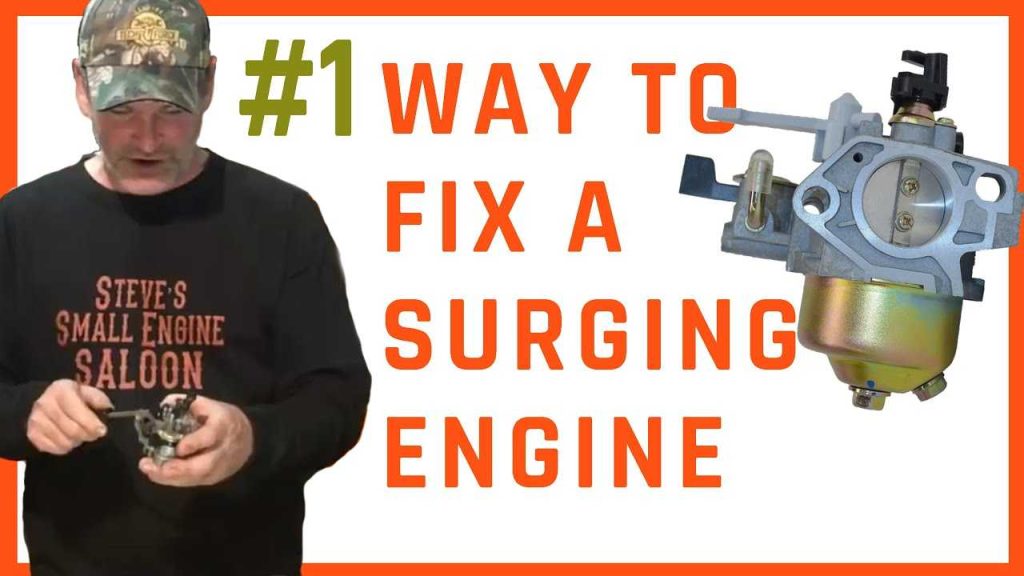
To fix a surging lawn mower engine, start by checking the air filter, fuel quality, and carburetor adjustments. Cleaning or replacing dirty parts often solves the issue, and ensuring proper fuel flow can restore smooth operation. If the problem persists, inspecting the spark plug and adjusting the throttle linkages may be necessary.
A surging lawn mower engine can be frustrating, but it’s often caused by simple issues like clogged filters or improper carburetor settings. Addressing these common problems quickly can get your mower running smoothly again. Regular maintenance is key to preventing surging and ensuring your mower performs reliably season after season. In this guide, we’ll walk you through easy steps to diagnose and fix the root causes of engine surging so you can get back to maintaining your lawn with confidence and ease.

How to Fix a Surging Lawn Mower Engine
A surging lawn mower engine can be frustrating. It causes uneven cutting and makes mowing more difficult. Fortunately, most surging problems are manageable with some troubleshooting and simple repairs.
Understanding Why Your Lawn Mower Surges
Surging occurs when the engine’s RPM fluctuates unexpectedly. This can be caused by several issues within the fuel system, air intake, or carburetor. Recognizing these causes helps you target the right fix quickly.
Common Causes of Engine Surging
- Dirty or clogged carburetor – Dirt prevents proper fuel flow.
- Incorrect carburetor adjustments – Mixture settings may be off.
– Old, stale, or contaminated fuel affects combustion. - Idle speed issues – Incorrect idle settings can cause fluctuations.
- Air filter blockages – Restricted airflow affects engine performance.
- Vacuum leaks – Leaks in hoses or gaskets disturb fuel-air mixture.
Steps to Fix a Surging Lawn Mower Engine
Step 1: Check and Replace the Fuel
Start by inspecting the fuel in your mower. Stale or contaminated fuel can cause surging. Drain old fuel and refill with fresh gasoline. Use a fuel stabilizer if you store fuel for long periods.
Step 2: Clean the Air Filter
A clogged air filter limits airflow, causing uneven engine operation. Remove the filter and clean it with soapy water or replace it if it’s too dirty or damaged. A clean filter helps maintain consistent engine RPM.
Step 3: Inspect the Spark Plug
Remove the spark plug and examine it for signs of wear or fouling. Clean it with a wire brush or replace it if necessary. A good spark plug ensures proper ignition, preventing surging caused by misfires.
Step 4: Check the Carburetor
The carburetor controls fuel intake. If it’s dirty or clogged, clean it carefully. Use carburetor cleaner spray and a small brush to remove debris. Ensure all jets are clear and free of obstructions.
Step 5: Adjust the Carburetor Settings
Proper adjustment of the carburetor screws can solve surging issues. Locate the low-speed and idle mixture screws, usually marked on the carburetor. Turn them slowly clockwise or counterclockwise to find the best RPM stability. Consult your mower’s manual for specific settings.
Step 6: Adjust the Idle Speed
Ensure the engine idles smoothly without surging at low RPM. Turn the idle adjustment screw until the engine runs steadily. Too fast or too slow idle can contribute to engine surging.
Step 7: Check for Vacuum Leaks
Inspect hoses and gaskets for cracks or loose fittings. Replace any damaged parts to maintain proper fuel-air mixture. Use a smoke machine or spray carb cleaner around gaskets to detect leaks.
Advanced Troubleshooting for Persistent Surging
Step 8: Examine the Governor System
The governor controls engine speed. If it’s malfunctioning, it can cause surging. Adjust or repair the governor linkage following manufacturer instructions.
Step 9: Test the Fuel Line and Filter
Inspect the fuel line for cracks or blockages. Replace if necessary. Similarly, clean or replace the fuel filter to ensure clean fuel reaches the carburetor.
Step 10: Consider Professional Repairs
If all above steps fail, consult a professional mower technician. Some issues, like internal engine problems, require specialized tools and expertise.
Prevention Tips to Avoid Future Surging
- Use fresh, clean fuel regularly.
- Change the air filter annually or as needed.
- Inspect and clean the carburetor periodically.
- Adjust the carburetor settings as per manual recommendations.
- Store fuel in a sealed container with a stabilizer during off-season periods.
Tools Needed for Fixing a Surging Engine
| Tool | Description |
|---|---|
| Screwdriver | For adjusting carburetor screws and cleaning parts |
| Wrench set | To remove or tighten bolts and nuts |
| Carburetor cleaner | Specialized spray to clean carburetor components |
| Wire brush | To clean spark plug and carburetor jets |
| Replacement parts | Spark plugs, filters, gaskets as needed |
Summary of Troubleshooting Tips
- Start with fresh fuel and a clean air filter.
- Clean and adjust the carburetor carefully.
- Ensure the spark plug is working properly.
- Look for vacuum leaks and repair them.
- Adjust idle speed to stabilize engine RPM.
- Seek professional help for stubborn issues.
Fixing a surging lawn mower engine may seem complex, but most problems are straightforward to troubleshoot. Regular maintenance can prevent surging and keep your mower running smoothly year after year.
How To FIX A SURGING ENGINE On A Lawn Mower, Pressure Washer, etc.
Frequently Asked Questions
What are the common causes of a lawn mower engine surging?
Surging in a lawn mower engine often results from issues such as clogged air filters, stale or dirty fuel, or a malfunctioning carburetor. Additionally, vacuum leaks or a dirty spark plug can cause inconsistent engine performance leading to surging. Regularly inspecting these components can help identify the root cause and prevent further problems.
How can adjusting the carburetor help stop engine surging?
If your lawn mower engine surges, fine-tuning the carburetor can make a significant difference. Locate the carburetor adjustment screws, typically labeled as high and low-speed screws. Carefully turn these screws to adjust the fuel mixture until the engine runs smoothly at different speeds. Always consult your mower’s manual for proper procedures to avoid over-adjusting and causing further issues.
What maintenance steps should I follow to prevent surging in the future?
To prevent engine surging, maintain your mower regularly by replacing or cleaning the air filter, draining or replacing old fuel, and inspecting the spark plug for wear. Keep the carburetor clean and free of debris, and tighten any vacuum leaks. Using fresh fuel and performing routine checks ensure the engine runs consistently without surging issues.
Can a clogged fuel filter cause a surging engine, and how do I fix it?
Yes, a clogged fuel filter can restrict fuel flow, causing the engine to surge due to inconsistent fuel delivery. To fix this, turn off the mower and disconnect the fuel line. Remove the filter and replace it with a new one, then reconnect the fuel line. Cleaning the fuel tank and applying fresh fuel can also support smooth engine operation.
When should I consider professional repair for a surging lawn mower engine?
If troubleshooting and basic maintenance don’t resolve the surging issue, or if you notice persistent problems after adjustments, it’s wise to seek professional help. A qualified technician can perform a thorough inspection of the carburetor, fuel system, and engine components to identify underlying issues that may require complex repairs or replacements.
Final Thoughts
To fix a surging lawn mower engine, start by inspecting the air filter and cleaning or replacing it if dirty. Check the carburetor for clogs and adjust the idle speed as needed. Ensure the fuel isn’t old or contaminated, and replace it if necessary. Regular maintenance and timely adjustments keep the engine running smoothly, preventing surges and improving performance. Knowing how to fix a surging lawn mower engine helps you maintain a healthy lawn throughout the season. Proper care minimizes downtime and extends your mower’s lifespan.