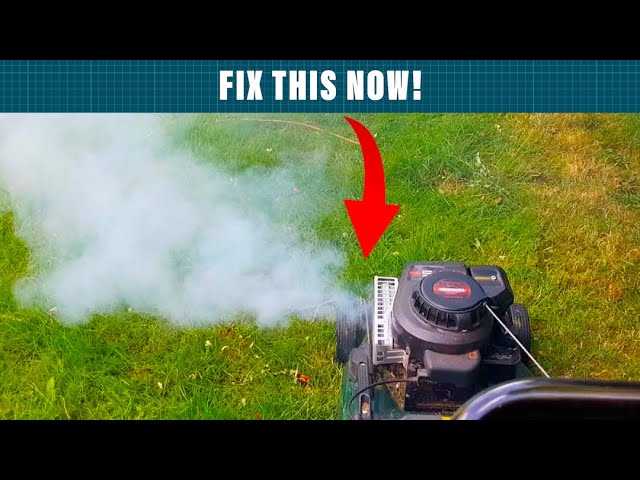
To fix a smoking lawn mower quickly, first identify whether the smoke is blue, white, or black, as each indicates a different problem. Clear the mower’s air filter, check the oil levels, and inspect the carburetor for clogs or leaks. Regular maintenance and timely repairs will keep your mower running smoothly.
If your lawn mower starts billowing smoke, don’t panic—troubleshooting can often solve the issue fast. Usually, smoke indicates either the engine is burning oil, the carburetor is running rich, or there’s a build-up of debris or oil leaks. In many cases, cleaning or replacing the air filter, checking oil levels, and inspecting for oil spills or leaks can prevent smoke from escaping. Addressing these issues promptly can extend the life of your mower and ensure it works efficiently season after season. Remember, understanding the type of smoke and its source is key to fixing the problem effectively.

How to fix a smoking lawn mower
Understanding Why Your Lawn Mower Is Smoking
Before fixing the problem, it’s important to know why your mower is smoking. Smoke can be caused by several issues, such as oil leaks, clogged air filters, or a burned-out engine.
Identifying the type of smoke helps diagnose the exact problem. White smoke often indicates oil burning, while black smoke suggests a rich fuel mixture. Blue smoke can mean oil is entering the combustion chamber.
Common Causes of Smoking Lawn Mowers
1. Excess Oil in the Engine
If there’s too much oil, it can spill into the combustion chamber, causing white smoke. Overfilled oil reduces engine efficiency and increases smoke production.
2. Oil Leaks
Damaged gaskets or seals can lead to oil leaking into areas where it shouldn’t be, resulting in smoke. Leaks also risk engine damage if not addressed promptly.
3. Clogged Air Filter
A dirty or clogged air filter restricts airflow, making the engine work harder and causing smoke. This can also decrease mower performance.
4. Carburetor Issues
A malfunctioning carburetor can deliver too much fuel to the engine. This overly rich mixture causes black smoke and poor engine efficiency.
5. Worn Piston Rings or Valve Seals
Worn piston rings or seals allow oil to seep into the combustion chamber, creating blue or white smoke. This problem usually requires more extensive repairs.
Step-by-Step Guide to Fix a Smoking Lawn Mower
Step 1: Turn Off and Cool Down the Mower
Always unplug the spark plug or turn off the mower before working on it. Let the engine cool down completely to prevent burns and further damage.
Step 2: Check and Adjust Oil Levels
Inspect the oil level using the dipstick. If the oil is overfilled, drain the excess oil carefully. Maintaining proper oil levels is crucial for engine health.
Step 3: Replace or Clean the Air Filter
Remove the air filter and check for dirt or debris. If it’s clogged, replace it with a new one. If it’s reusable, clean it with soap and water or a filter cleaner.
Step 4: Examine for Oil Leaks
Inspect gaskets, seals, and the oil drain plug for signs of leaks. Tighten loose parts and replace damaged gaskets to stop leaks that cause smoke.
Step 5: Clean or Adjust the Carburetor
If the carburetor is dirty, remove it and clean it with carburetor cleaner. Adjust the fuel mixture screws as per the manufacturer’s instructions to prevent rich running.
Step 6: Check and Replace Worn Piston Rings or Valve Seals
This step involves more complex repairs and might require professional help. Worn piston rings or valve seals need replacement to stop oil from entering the combustion chamber.
Additional Tips for Maintaining a Smoke-Free Lawn Mower
- Regularly check and change the engine oil according to the user manual.
- Replace air filters every season or after heavy use.
- Keep the carburetor clean and free of debris.
- Inspect gaskets and seals periodically for signs of wear or damage.
- Use the recommended fuel mixture and quality fuel to ensure smooth engine operation.
Tools and Supplies Needed for Repairs
| Tools | Supplies |
|---|---|
| Screwdriver set | Engine oil |
| Wrench set | Replacement air filter |
| Pliers | Carburetor cleaner |
| Drain pan | Gasket or seal replacements if needed |
| Rags or shop towels | New spark plug (if necessary) |
When to Seek Professional Help
If after following these steps the mower still smokes, or if you’re unsure about complex repairs like replacing piston rings, consult a professional. Attempting costly repairs without proper knowledge can cause more damage.
Professional mechanics have the tools and expertise to diagnose and fix issues such as internal engine damage efficiently. Regular maintenance can also prevent future smoking problems.
Preventative Measures to Keep Your Lawn Mower Running Smoothly
- Perform routine oil changes and check oil levels before each mowing session.
- Clean or replace air filters regularly to ensure proper airflow.
- Keep the mower’s blades sharp for efficient cutting and less strain on the engine.
- Store your mower in a dry, sheltered area to prevent corrosion and damage.
- Inspect the fuel system, including the fuel filter and lines, periodically.
Related Topics to Explore
- How to tune up a lawn mower for better performance
- Best fuel types for lawn mowers
- How to safely maintain lawn mower blades
- Why oil quality affects engine lifespan
- Steps to winterize your lawn mower properly
Fixing a smoking lawn mower involves understanding the root cause and systematically addressing potential issues. Regular maintenance is key to avoiding smoke and keeping your mower in top shape for many mowing seasons.
Frequently Asked Questions
What are common causes of a lawn mower smoking during operation?
While mowing, a lawn mower might produce smoke due to several reasons. Overfilled oil can cause excess oil to burn, creating smoke. A clogged or dirty air filter can restrict airflow, leading to the engine running too rich and smoking. Additionally, using the wrong type of oil or oil that is old and degraded can cause burning. Loose or damaged piston rings may also allow oil to leak into the combustion chamber, resulting in smoke. Lastly, an overheating engine or a buildup of debris can contribute to smoke production.
How can I address oil-related issues to stop my lawn mower from smoking?
First, check the oil level and ensure it is within the recommended range. If the oil is overfilled, drain the excess oil to prevent it from burning during operation. Use the right type and grade of oil specified by the mower’s manufacturer, and replace old or contaminated oil regularly. Inspect the piston rings for wear or damage, and replace them if necessary. Keeping the engine clean and ensuring proper maintenance can prevent oil from leaking into the combustion chamber and causing smoke.
What steps should I take to clean or replace the air filter to reduce smoking?
Turn off the mower and disconnect the spark plug wire for safety. Remove the air filter from the housing and inspect it for dirt, debris, or damage. If the filter is dirty, gently clean it with compressed air or wash it with a mild soap solution, then allow it to dry completely before reinstalling. If the filter is damaged or excessively dirty, replace it with a new one. A clean air filter improves airflow, ensures proper fuel combustion, and helps reduce smoke from the engine.
When should I consider professional repair for a smoking mower?
If you have checked the oil levels, replaced the air filter, and cleaned the engine but still notice smoke, it’s time to seek professional help. Persistent smoking could indicate internal engine issues such as worn piston rings, damaged valves, or other mechanical problems that require expert diagnosis and repair. Avoid running the mower under these conditions to prevent further damage and ensure safe operation.
Final Thoughts
To fix a smoking lawn mower, start by checking the oil level and quality. Too much or dirty oil can cause smoke, so drain and replace it if necessary. Next, inspect the air filter; a clogged filter restricts airflow and leads to smoking. Clean or replace it to ensure proper combustion.
Examine the fuel system for leaks or blockages. Old or contaminated fuel also causes smoking, so drain and refill with fresh gasoline. Lastly, check the spark plug for carbon buildup; clean or replace it for optimal performance.
In conclusion, fixing a smoking lawn mower involves inspecting oil, air filter, fuel, and spark plug. Understanding these key areas helps resolve the issue efficiently. How to fix a smoking lawn mower becomes manageable with these straightforward steps.