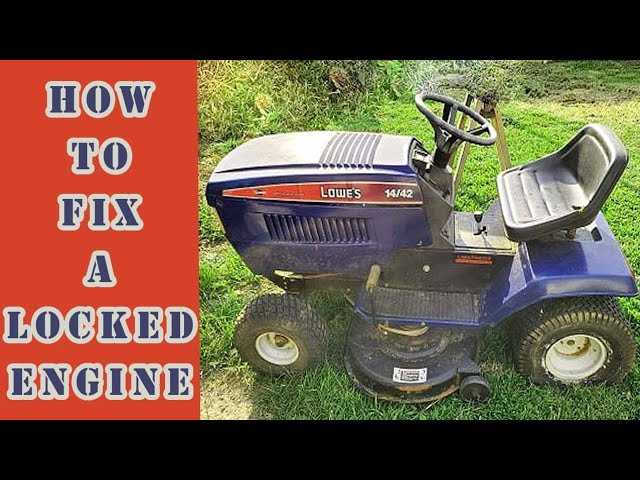
If your riding lawn mower engine suddenly won’t turn over, don’t panic—this common issue can often be fixed with some straightforward steps. The key is to identify the cause of the seizure and carefully follow the right procedures to free up the engine without causing further damage. To fix a seized riding mower engine, start by checking for obvious problems like lack of oil or debris, then try freeing the piston gently with penetrating oil and gentle manual rotation. In some cases, you might need to disassemble certain parts or replace damaged components. Addressing the root cause—such as worn-out parts or lack of lubrication—will help prevent future seizures and extend your mower’s lifespan.
A seized riding mower engine usually occurs when internal parts like pistons or cylinders become stuck due to poor lubrication or overheating. Fixing it involves carefully inspecting the engine, applying penetrating oil, and gently working the components free. If simple steps don’t work, professional repair or replacing damaged parts may be necessary to restore the engine’s functionality.

How to Fix a Seized Riding Lawn Mower Engine
Understanding Why Your Riding Lawn Mower Engine Seizes
Seized engines happen when the internal parts of your riding mower get stuck and can’t move freely. This usually occurs because of overheating, lack of oil, or debris buildup inside the engine. Recognizing these causes helps you prevent future problems and guides your repair process.
Common Signs that Your Engine Has Seized
Look for these indicators to confirm if your engine is seized:
- The engine does not turn over when you try to start it
- You hear a knocking or grinding noise during attempt to start
- The engine feels extremely hot or there is smoke coming from it
- Oil levels are low or the oil appears burnt or thick
- The mower’s blades do not move when the engine is running
Early recognition can save you time and money in repairs.
Safety Precautions Before Starting Repairs
Before attempting repairs, always disconnect the spark plug wire to prevent accidental starting. Wear safety goggles and gloves to protect yourself from debris and hot surfaces. Ensure the mower is on a flat surface for stability and ease of work.
Tools and Parts You Will Need
To fix a seized engine, gather these tools:
- Socket set and ratchet
- Screwdrivers (flat and Phillips)
- Penetrating oil (such as WD-40)
- Hammer or mallet
- Engine oil and oil filter (if needed)
- Carburetor cleaner
- Replacement parts (if necessary, like piston rings or valves)
Having everything ready streamlines the repair process.
Step-by-Step Guide to Fix a Seized Riding Lawn Mower Engine
1. Remove the Spark Plug and Check for Obstructions
Start by removing the spark plug to prevent the engine from accidental starting. Inspect it for carbon buildup or damage. Pour a small amount of penetrating oil into the cylinder through the spark plug hole to loosen stuck parts.
2. Attempt to Turn the Engine Over
Using a wrench or socket, try to manually turn the engine pulley. If it moves, there might be a chance to repair without complete disassembly. If it’s still stuck, apply more penetrating oil and wait for it to work.
3. Remove the Cylinder Head and Examine Internal Components
Disconnect the necessary engine parts carefully to access internal components. Check for signs of severe damage, such as broken valves, damaged pistons, or a warped cylinder.
4. Clean and Remove Debris and Carbon Buildup
Use carburetor cleaner and a brush to remove carbon deposits from valves and pistons. Clean all parts thoroughly to restore proper movement and engine health.
5. Check the Oil and Replace if Necessary
Old or burnt oil can cause the engine to seize. Drain the oil and replace it with fresh, high-quality oil appropriate for your mower model. Replace the oil filter if needed.
6. Inspect and Replace Damaged Parts
If you find worn or broken components, such as piston rings or valves, replace them with new parts. Follow the manufacturer’s specifications for parts and assembly.
7. Reassemble and Test the Engine
Once everything is clean and in place, reassemble the engine carefully. Reattach the spark plug, reconnect the spark wire, and try starting the mower. Use gentle and steady pressure, avoiding forcing parts.
Preventative Measures to Avoid Future Seizures
Prevention is key in keeping your riding mower running smoothly. Here are simple tips:
- Regularly check and change the engine oil.
- Keep the air filter clean for proper airflow.
- Ensure the mower is stored in a dry, cool place when not in use.
- Use the correct fuel and avoid letting it sit in the tank for long periods.
- Inspect and replace belts and blades regularly.
Following these steps can extend the life of your engine significantly.
Additional Tips and Troubleshooting
If your engine still refuses to start after repairs, consider these troubleshooting tips:
- Check the spark plug for proper sparking.
- Ensure the carburetor is not clogged or damaged.
- Test the compression to see if the piston moves properly.
- Seek professional repair service if the problem persists beyond basic fixes.
Proper diagnosis prevents unnecessary part replacements and saves time.
Related Topics: Handling Other Engine Problems
Besides seizing, engines can face issues like overheating or oil leaks. Regular maintenance helps identify these problems before they get worse. Make sure to keep your mower’s engine clean and well-oiled for optimal performance.
Understanding Your Riding Lawn Mower’s Engine Components
Knowing the basic engine parts helps in both diagnosing problems and performing repairs. Key components include:
- Crankshaft
- Pistons and piston rings
- Valves and valve springs
- Camshaft
- Connecting rods
- Oil pump and filter
Familiarity with these parts supports effective troubleshooting.
Fixing a seized riding lawn mower engine involves patience, careful inspection, and proper maintenance. Removing debris, replacing damaged parts, and ensuring correct oil levels can bring your mower back to life. Always prioritize safety and consider professional help when needed for complex repairs. Regular upkeep enables you to enjoy the lawn without worrying about engine failures.
How To Fix A Seized Lawn Mower With Marvel Mystery Oil
Frequently Asked Questions
What are the initial steps to take when my riding mower engine is seized?
First, disconnect the spark plug wire to prevent accidental starting. Remove the mower’s cover to access the engine. Check the oil level and quality; if the oil is burnt or contaminated, drain and replace it. Attempt to turn the engine over manually using a wrench on the crankshaft pulley; if it moves, some oil and force may help free the piston. If the engine remains immobile, avoid forcing it further to prevent damage.
How can I determine if a seized engine is due to a lack of lubrication?
Inspect the engine for signs of oil starvation such as dry or burnt-smelling oil. Remove the spark plug and look inside the cylinder; if you see rust, corrosion, or a thick layer of sludge, poor lubrication likely caused the seizure. Moving the crankshaft with a wrench can also reveal whether friction or rust is preventing motion. Regular maintenance and oil changes can prevent such issues in the future.
Is it possible to restart a seized riding mower engine without complete repairs?
In some cases, loosening rust or breakage may allow the engine to run again after cleaning and lubrication. Apply a penetrating oil to the cylinder and let it sit for several hours to loosen rust. Gently try turning the crankshaft. If the engine still doesn’t turn, forcing it may cause more damage. Typically, professional repairs or parts replacement are necessary for a long-term fix.
What tools or materials are essential for freeing a seized engine?
Use a socket wrench to manually rotate the crankshaft. Apply penetrating oil, such as WD-40 or PB Blaster, to the cylinder and other moving parts. Use rags or shop towels to clean oil and debris. If internal components are rusted or stuck, a hammer and punch may be needed for gentle tapping. For severe issues, consider disassembling the engine to inspect and replace damaged parts.
When should I consider replacing the engine instead of repairing it?
If the engine shows extensive damage, such as a cracked block, broken pistons, or severely warped components, repairing may not be practical or cost-effective. After assessing the extent of the damage, compare repair costs with the price of a new engine. If repairs amount to more than half the cost of a replacement, installing a new engine often becomes the better option.
Final Thoughts
To fix a seized riding lawn mower engine, begin by inspecting the oil level and condition. If the oil is burnt or low, drain it and replace it with fresh oil.
Next, try turning the engine by hand using a wrench on the crankshaft pulley. If it moves freely, the seizure might be relieved. If there is still resistance, remove the spark plug and apply a penetrating oil to loosen the piston.
Finally, reassemble the parts carefully and test the mower. Being precise and patient ensures the engine can run smoothly again. Addressing these steps will help you fix a seized riding lawn mower engine effectively.