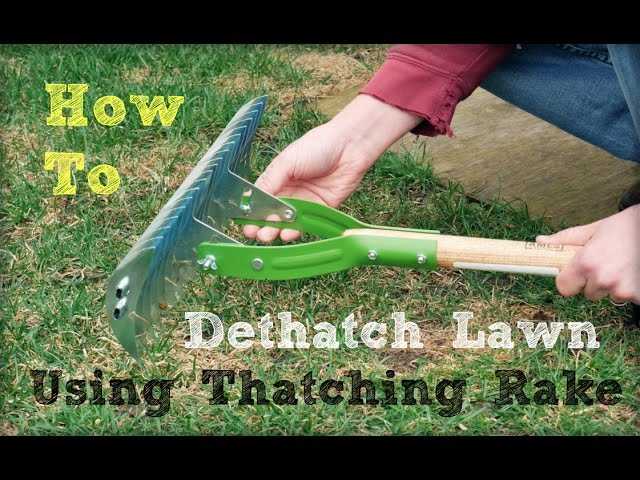
To dethatch your lawn manually, grab a rake with sturdy teeth and work it into the grass to lift out the thick layer of thatch. Raking thoroughly and repeatedly will help break up the layer, allowing nutrients and water to reach the soil better. For a more effective approach, you might also use a dethatching rake or a garden fork for tougher thatch.
Dethatching a lawn manually is an effective way to breathe new life into tired grass without the need for chemical treatments or heavy machinery. By removing the excess thatch layer, you improve water absorption and nutrient penetration, leading to healthier, greener grass. It’s a simple, cost-effective task that can be done with basic tools, especially in smaller yards or for those who prefer a hands-on approach.
If your lawn has a dense, brownish mat of dead grass and roots, it’s time to dethatch. Usually done in early spring or fall, manual dethatching involves using a sturdy rake to carefully comb through the turf, pulling out the thatch layer. This process not only enhances lawn health but also prevents problems such as disease and moss growth. With some patience and a bit of physical effort, you can restore your lawn’s natural vibrancy and make it more receptive to watering and fertilizing.

How to Dethatch Lawn Manually
If you notice your lawn feels spongy or the grass isn’t growing as well as it should, it might be time to dethatch. Dethatching helps remove the thick layer of dead grass, roots, and debris that build up between the soil and healthy grass. Doing this manually is a practical way to give your yard a fresh start without relying on power tools. Let’s explore step-by-step how to dethatch your lawn manually and keep it healthy.
Understanding Thatch and Why It Needs Removal
Thatch is a layer of organic matter that forms naturally in lawns. It consists of dead grass stems, roots, and other debris that don’t break down quickly. A thin layer is normal, but when it gets thicker than half an inch, it can block water, air, and nutrients from reaching the soil. This leads to poor grass growth and can make your yard more prone to pests and diseases.
Removing excess thatch allows your grass to breathe and absorb nutrients more efficiently. It also promotes new root growth and improves the overall health of your lawn. Knowing when to dethatch is key; look for signs like moss growth, excessive thatch buildup, or areas where water pools after rain.
Tools Needed for Manual Dethatching
Basic Tools for the Job
- Dethatching rake: A specialized rake with sharp, rigid tines designed to dig into thatch layer.
- Garden fork or pitchfork: Useful for loosening compacted soil and removing thatch chunks.
- Garden gloves: Keeps your hands protected from rough materials and makes work more comfortable.
- Lawn mower with a bag attachment: For cutting the grass to an appropriate height before dethatching.
Optional but Helpful Tools
- Leaf blower or broom: To clear away loosened debris after dethatching.
- Pruning shears: For trimming overly thick patches or removing dead grass.
Preparing Your Lawn for Dethatching
Start by mowing your lawn a little lower than usual to expose the thatch layer better. This makes the dethatching process more effective. Removing excess grass height also prevents interference during the process, allowing tools to penetrate deeply into the thatch.
Next, water your lawn thoroughly a day before dethatching. Moist soil and grass are easier to work with and help prevent damage to your lawn. Avoid dethatching when the soil is too wet or overly dry, as this can cause compaction or tearing of grass roots.
Step-by-Step Guide to Dethatch Your Lawn Manually
Step 1: Mark the Areas That Need Attention
Walk across your yard to identify patches where the thatch is thick. Look for signs like sticky feel underfoot or matted grass. Mark these areas with flags or simply note where to focus your efforts.
Step 2: Mow the Lawn Short
Cut the grass down to about one to two inches. Shorter grass makes it easier for the dethatching rake to reach the thatch layer. Plus, it improves visibility of tougher patches needing more work.
Step 3: Gather Your Tools and Begin Raking
Start at one corner of your yard and pull the dethatching rake through the grass in a forward and backward motion. Use firm, consistent pressure to penetrate the thatch layer. Rake in multiple directions to cover the entire area thoroughly.
As you work, the rake will pull up a mixture of thatch, grass, and soil. Focus on areas with dense thatch buildup and be sure to apply enough force to loosen it without damaging healthy grass roots.
Step 4: Remove Loosened Debris
Collect the debris using a rake, broom, or leaf blower. Clearing away loosened thatch prevents it from settling back into the lawn and promotes better air circulation. Spread the debris in compost or yard waste bins.
Step 5: Reseed or Aerate if Needed
If your lawn shows bare patches after dethatching, consider overseeding. Aerating the soil with a garden fork can also help improve air and water flow. These steps support quick grass recovery and a healthier yard.
Tips for Effective Manual Dethatching
- Be patient—dethatching can be time-consuming, especially on large lawns. Break the job into sections.
- Work when the weather is mild; avoid hot, dry days or rainy days to prevent damaging the grass.
- Don’t dethatch more than one third of your lawn at a time to prevent stressing the grass.
- Follow up with fertilizing and watering to help your grass recover quickly.
When and How Often to Dethatch
Most lawns need dethatching every one to three years. However, this depends on grass type and environmental factors. Cool-season grasses, like Kentucky bluegrass, often need less frequent dethatching, while warm-season grasses, like Bermudagrass, may require it more often.
It’s best to dethatch during the growing season when grass can recover quickly. For cool-season grasses, early fall or early spring are ideal times. For warm-season grasses, late spring and early summer work well.
Benefits and Drawbacks of Manual Dethatching
Manual dethatching is a cost-effective, environmentally friendly choice. It allows you to control the intensity and focus on problem areas precisely. Plus, it’s a good workout and a chance to inspect your lawn closely.
However, manual dethatching can be labor-intensive, especially on larger yards. It may take several hours or days to complete thoroughly. Also, excessive dethatching can damage healthy grass if not done carefully.
Additional Lawn Care Tips Post-Dethatching
- Rake away all debris to promote air flow.
- Apply a balanced fertilizer to boost grass recovery.
- Water deeply but infrequently to encourage deep roots.
- Monitor for pests or disease and treat as needed.
Related Topics to Consider
- Lawn aeration: Improves soil compaction and promotes root growth.
- Overseeding: Helps fill in bare patches and thickens your lawn.
- Soil testing: Guides you on the best fertilization and treatment plans.
Knowing how to dethatch lawn manually helps maintain a lush, healthy yard that looks inviting and is resistant to common problems. Regular care and attention will keep your grass vibrant and your yard thriving for years to come.
Frequently Asked Questions
What tools are most effective for manually dethatching a lawn?
Using a dethatching rake with sharp, sturdy tines works well for removing thatch by hand. For thicker or more stubborn thatch, a dethatching rake with sharper teeth or a garden fork can help loosen and lift the layer. Some homeowners also find that a vertical garden rake or a hand-held dethatching tool provides better control and more thorough results. Whichever tool you choose, ensure it is suitable for your lawn’s thickness and your strength to avoid damaging the grass.
How can I prepare my lawn before dethatching to get the best results?
Water your lawn a day or two before dethatching to soften the thatch layer and soil. This makes it easier to remove the thatch without pulling up healthy grass or compacting the soil. Mowing your lawn to a shorter height before starting can also help you reach the thatch more effectively. Clear any debris, such as sticks or leaves, from the surface so you can work efficiently and avoid damaging your tools.
What are some tips for dethatching without harming my grass?
Work carefully and avoid applying excessive force to prevent damaging the grass roots. Dethatch when the grass is actively growing, typically in the spring or early fall, to help it recover quickly. Always rake in different directions to lift and remove the thatch evenly. After dethatching, water your lawn thoroughly and consider overseeding or fertilizing to promote healthy growth and fill in any bare patches.
How often should I dethatch my lawn manually?
Most lawns benefit from dethatching once every one to three years, depending on the amount of thatch buildup and the grass type. Regularly inspect your lawn for signs of excessive thatch, such as a spongy feel or water pooling on the surface. Avoid over-dethatching, as doing it too often can stress the grass and damage roots.
Are there specific lawn types that respond better to manual dethatching?
Cool-season grasses like Kentucky bluegrass, fescue, and ryegrass tend to respond well to manual dethatching when necessary. These grasses can recover quickly from the process, especially if proper aftercare is provided. Warm-season grasses such as Bermuda or zoysia may also benefit, but they often require less frequent dethatching. Always consider your specific grass type and its growth habits before proceeding.
Final Thoughts
Dethatching your lawn manually is a straightforward process that anyone can do with the right tools. Use a dethatching rake or a garden fork to loosen and remove the thatch layer. Work in small sections for thorough coverage and wear gloves for comfort.
Regular manual dethatching improves grass health and enhances water penetration.
How to dethatch lawn manually requires patience and effort but yields great results. Stay consistent, and your lawn will stay healthy and lush.