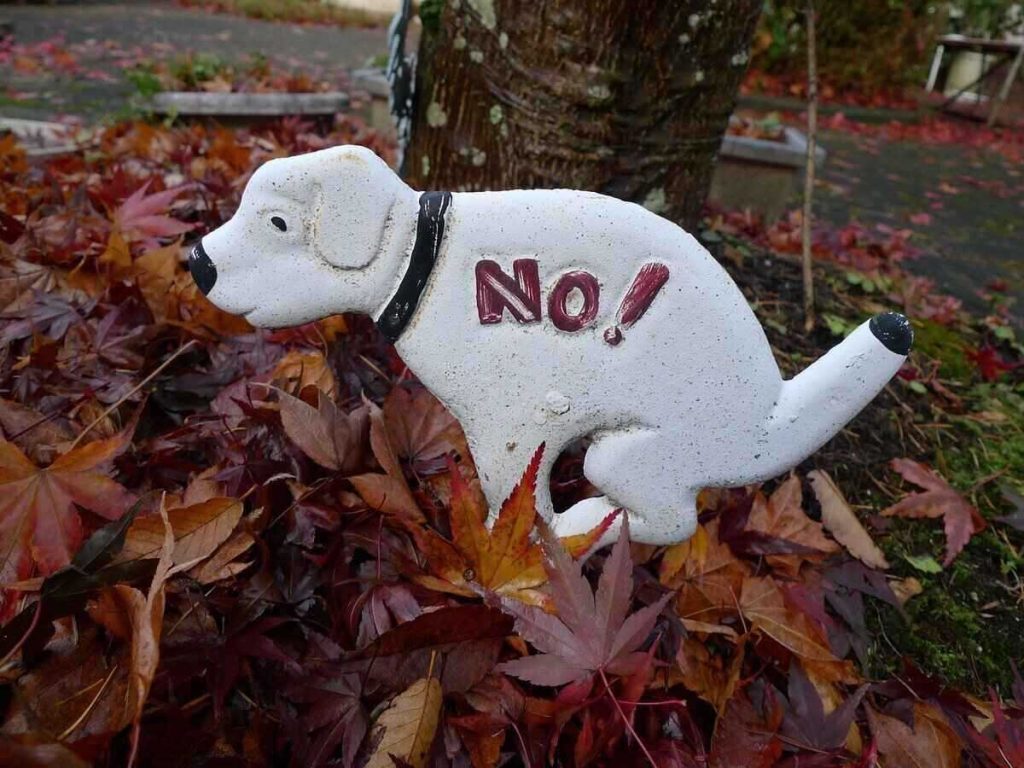
Yes, dog poop can be beneficial for grass, but it’s important to handle it properly. While it contains nutrients that can enhance soil quality, it also poses risks if not managed correctly. When left untreated, dog waste can introduce harmful bacteria and parasites into the soil, which can negatively impact both grass and the surrounding environment. However, if you compost dog poop or use it in moderation, it can act as a natural fertilizer. So, the key is to approach it thoughtfully. Properly disposed of or composted dog waste can nourish your lawn without the downsides, making your grass healthy and vibrant. Let’s delve deeper into how to balance the pros and cons of using dog poop on your lawn!

Is Dog Poop Good for the Grass?
When dog owners think about their furry friends’ waste, the first thought might be about cleaning it up. However, many wonder, “Is dog poop good for the grass?” While the idea may seem appealing for those looking for a natural fertilizer, the reality is a bit more complex. In this article, we will explore the effects of dog poop on grass, its nutritional content, and safe practices for pet waste disposal.
The Nutritional Value of Dog Poop
Dog poop contains several nutrients that can affect your grass positively or negatively.
- Nitrogen: This essential nutrient helps promote lush, green grass growth. Dog waste is rich in nitrogen, which can boost grass vitality.
- Phosphorus: This nutrient aids root development and flowering, crucial for a healthy lawn.
- Potassium: Potassium enhances overall plant health and helps grass withstand stress, such as drought.
While these nutrients may sound beneficial, they come with a catch. The concentration of these nutrients in dog poop can be too high for grass. Excessive nitrogen, for example, may burn the grass, leading to brown patches.
Why Dog Poop Can Be Harmful to Grass
Despite its nutrient content, there are several reasons why dog poop can be harmful to your lawn.
- High Nutrient Concentration: As mentioned, dog poop contains high levels of nitrogen and other nutrients. Too much of these can lead to lawn damage.
- Pathogens and Parasites: Dog waste can harbor harmful bacteria, viruses, and parasites. These can transmit diseases to both pets and humans.
- Uneven Distribution: When dog poop sits on grass, it can create uneven patches of growth. Some areas may thrive, while others suffer.
The impact of these factors should not be underestimated. Proper management of pet waste is essential for maintaining a healthy lawn.
Comparing Dog Poop to Other Fertilizers
When considering using dog poop as fertilizer, it’s crucial to compare it with other organic options.
- Compost: Compost is a controlled mixture of organic materials. It offers a balanced nutrient profile without the risks posed by dog waste.
- Manure from Herbivores: Manure from animals like cows or horses tends to be safer for lawns. It has a lower pathogen level and is easier to compost.
- Commercial Fertilizers: These fertilizers are formulated for specific plant needs, providing a regulated approach to lawn care.
Choosing a safe fertilizer that promotes grass health while avoiding the risks associated with dog poop is advisable.
Best Practices for Managing Dog Waste
If you have a dog, managing their waste is essential for both the environment and your lawn. Here are some best practices:
- Pick Up Regularly: Regularly cleaning up dog poop helps prevent nutrient overload in one area.
- Use a Designated Area: Train your dog to relieve itself in one specific area of the yard. This helps manage waste and keeps other areas safe.
- Consider Composting: If you want to recycle your dog’s waste, consider using a pet waste composting system designed for this purpose. It processes the waste safely.
These practices can help protect your lawn health while allowing for responsible pet ownership.
Common Myths About Dog Poop and Grass
There are several myths regarding dog poop and its effect on grass. Let’s address a few:
Myth 1: Dog Poop is Completely Natural and Harmless
This common belief is misleading. While dog waste is organic matter, it can contain harmful bacteria and parasites that can affect grass and soil health.
Myth 2: All Animal Manure is the Same
Not all types of manure are equally beneficial for grass. Dog poop has a different nutrient balance compared to herbivore manure, making it less suitable for direct application on lawns.
Myth 3: You Don’t Need to Pick Up Dog Poop
Leaving dog poop on the lawn is detrimental. It not only damages grass but can also affect local wildlife and water sources through runoff.
Addressing these myths can help dog owners make informed decisions about lawn care and pet waste management.
Environmental Considerations
Using dog poop improperly can have environmental consequences. When it rains, leftover poop can wash into storm drains or local waterways. This can lead to:
- Nutrient Pollution: Excess nitrogen and phosphorus from dog poop can cause algae blooms in water bodies, leading to oxygen depletion.
- Water Contamination: Pathogens from dog waste can contaminate drinking water and affect local ecosystems.
To mitigate these concerns, it’s essential to dispose of dog waste properly and consider ways to minimize its environmental impact.
Alternatives to Using Dog Poop on Grass
If you’re looking for ways to fertilize your grass without using dog poop, there are several alternatives:
- Organic Fertilizers: Look for organic options that provide the necessary nutrients without the risks associated with dog waste.
- Mulching: Use grass clippings or leaves as mulch to enrich the soil naturally.
- Natural Compost: Create compost from kitchen scraps and other plant-based materials to enhance soil health.
These options can deliver the benefits of fertilization while avoiding the downsides of using dog poop.
Safe Disposal Strategies for Dog Waste
Disposing of dog waste properly is crucial for health and environmental reasons. Here are some practical strategies:
- Seal and Trash: Use dog waste bags to seal the poop and dispose of it in the trash.
- Flush It: In many areas, it’s safe to flush dog waste down the toilet. Just be sure to check local regulations first.
- Pet Waste Composting: As mentioned, consider using a composting system specifically designed for pet waste.
Being mindful of how you dispose of dog poop can greatly benefit your lawn and the environment.
In summary, while dog poop contains nutrients that may seem beneficial for grass, the risks often outweigh the benefits. High concentrations of nitrogen can damage grass, and pathogens present in dog waste can harm both pets and humans. Instead of using dog poop, consider safer and more effective alternatives to promote a healthy and vibrant lawn.
By managing pet waste responsibly, dog owners can ensure their lawns remain healthy while protecting the surrounding environment. Remember, a little effort in cleaning up after your dog can go a long way in maintaining both your lawn and local ecosystems.
Is Dog Poop Good For Your Lawn?
Frequently Asked Questions
Can dog waste benefit soil health?
Dog waste can add nutrients to the soil, including nitrogen, phosphorus, and potassium, which are essential for plant growth. However, the nutrient ratios in dog poop may not be ideal for all types of grass. It’s important to balance these nutrients with other organic matter to maintain healthy soil.
What precautions should I take when using dog poop as fertilizer?
Before using dog poop as fertilizer, ensure it is composted properly. Fresh dog waste can contain pathogens and parasites that could harm plants and soil health. Composting at the right temperature will kill harmful organisms and make the waste safer for use in your garden.
Is there a difference between dog poop and other types of animal manure for grass?
Yes, there is a difference. Dog poop tends to have higher protein content, which can make it more acidic and potentially harmful if applied directly to grass. In comparison, animal manures like cow or horse manure often provide a more balanced nutrient profile and are generally safer to use as fertilizer.
How should I apply dog poop to my lawn?
When applying dog poop to your lawn, make sure to compost it first. Once composted, spread it evenly across the lawn, mixing it into the soil. This method helps to distribute nutrients evenly and reduces the risk of burning the grass from excess nitrogen.
Can dog poop attract pests or diseases?
Yes, dog poop can attract pests such as flies and can also harbor diseases if not managed properly. It’s crucial to pick up dog waste promptly, and if you decide to use it in your garden, ensure it is composted thoroughly to minimize any health risks.
Final Thoughts
Dog poop can provide nutrients to grass, acting as a natural fertilizer. However, it may also contain harmful bacteria or parasites that can damage your lawn and pose health risks. Regularly cleaning up after your pet prevents potential issues and keeps your yard safe.
In conclusion, while dog poop can have some benefits for grass, the risks often outweigh the advantages. It’s essential to weigh the pros and cons carefully. Ultimately, dog owners should consider if dog poop is good for the grass and prioritize lawn care and hygiene for both their pets and the environment.