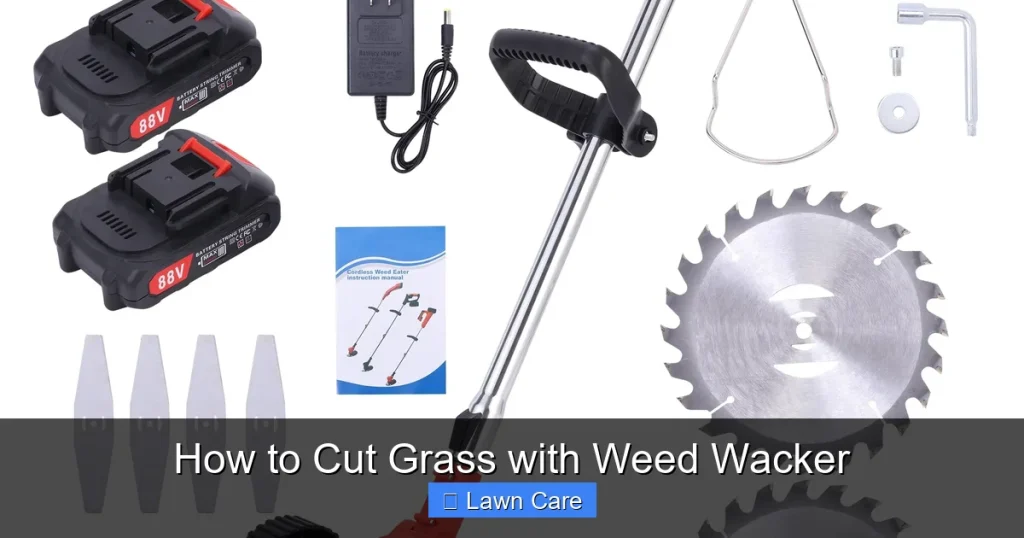
Cutting grass with a weed wacker can be an effective way to maintain your lawn, especially in tight spots. This guide covers everything from safety precautions to proper technique and maintenance. You’ll learn how to use your weed wacker safely and efficiently to achieve a neat and tidy yard, even if you don’t have a traditional lawn mower.
So, you’ve got grass that needs a trim, but maybe your trusty lawn mower is out of commission, or you have some tricky areas your mower just can’t reach. Or perhaps you’re simply looking for an alternative way to maintain your lawn. Good news! Your weed wacker, also known as a string trimmer, can be a surprisingly effective tool for cutting grass, especially for smaller yards or detailed trimming. This comprehensive guide will walk you through everything you need to know about using a weed wacker to cut your grass safely and efficiently.
We’ll cover the essential safety measures, how to choose the right weed wacker for your needs, the best techniques for a clean cut, and how to care for your tool afterward. By the end of this guide, you’ll be confident in your ability to tackle your lawn with your weed wacker and achieve a beautifully manicured look.
Key Takeaways
- Safety First: Always wear protective gear like eye protection, sturdy shoes, and long pants before operating a weed wacker.
- Understand Your Tool: Familiarize yourself with your weed wacker’s model, power source (electric, battery, gas), and cutting line type.
- Proper Stance and Grip: Maintain a balanced stance with a firm but relaxed grip to control the tool effectively and reduce fatigue.
- Cutting Technique Matters: Use a sweeping motion, angling the cutting head to trim grass efficiently and avoid damaging plants or property.
- Manage Cutting Height: Be mindful of how much you’re cutting at once, especially with long grass, and make multiple passes if needed.
- Trimming Around Obstacles: Approach obstacles like trees and fences with caution, using the edge of the cutting head for precision.
- Tool Maintenance: Regularly clean your weed wacker, check the cutting line, and ensure it’s in good working condition for optimal performance.
📑 Table of Contents
Safety First: Always Prioritize Your Well-being
Before you even think about starting your weed wacker, safety has to be your absolute top priority. These machines are powerful and can cause serious injury if not handled with care. Let’s go over the essential safety gear and practices.
Essential Protective Gear
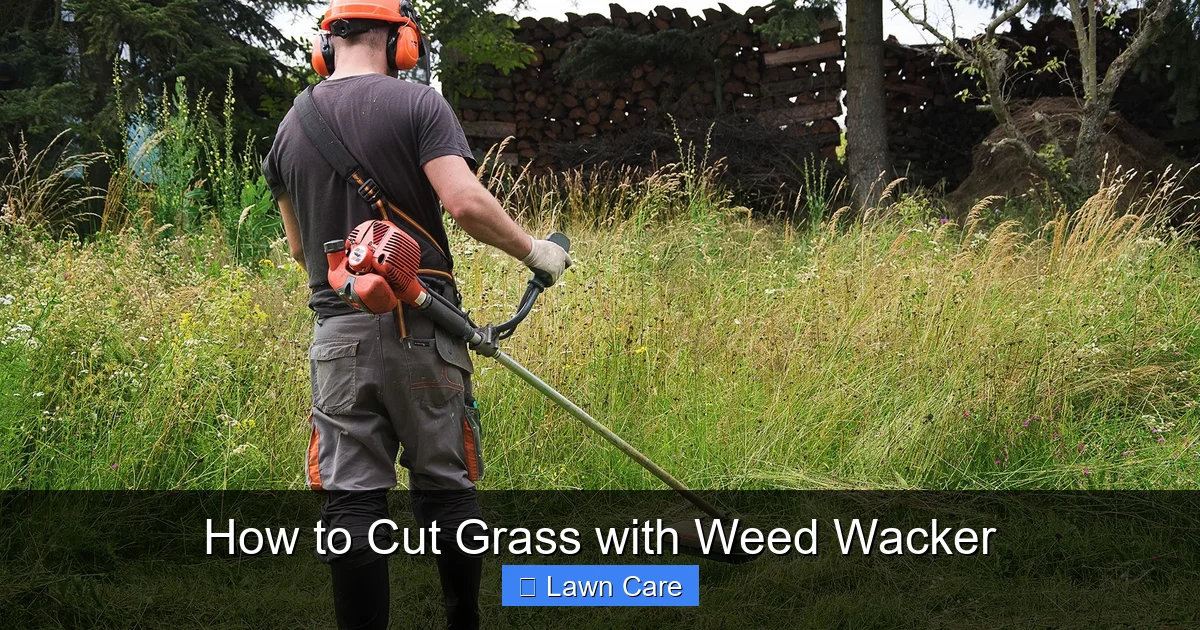
* Eye Protection: This is non-negotiable. Flying debris, grass clippings, and small stones can easily be propelled by the spinning cutting line. Always wear a pair of safety glasses or a full face shield.
* Sturdy Footwear: Closed-toe shoes are a must. Boots or heavy-duty sneakers will protect your feet from the cutting line and any debris. Avoid sandals or open-toed shoes at all costs.
* Long Pants: Wear durable, long pants made of thick material like denim. This will protect your legs from flying debris and accidental contact with the cutting line.
* Hearing Protection: Some weed wackers can be quite loud. If you’re sensitive to noise or will be using the trimmer for an extended period, consider wearing earplugs or earmuffs.
* Gloves: While not strictly mandatory for everyone, work gloves can provide a better grip on the weed wacker and offer some protection against vibrations and minor scrapes.
Pre-Operation Checks
Before you power up:
* Inspect the Area: Walk around the area you plan to trim. Remove any rocks, branches, toys, or other objects that could be picked up and thrown by the weed wacker. Be mindful of sprinkler heads and other garden fixtures.
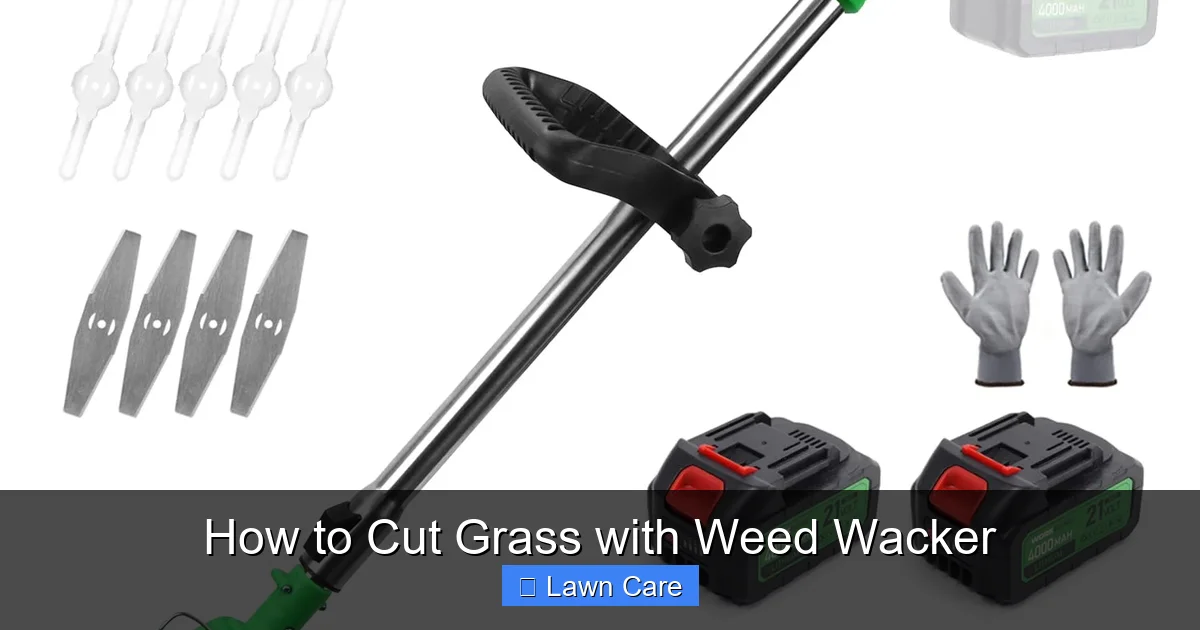
* Check the Cutting Line: Ensure the cutting line is properly installed and is the correct type for your weed wacker. If it’s too short, the trimmer might not cut effectively. If it’s damaged, replace it.
* Inspect the Guard: Make sure the safety guard is securely attached and in good condition. This guard is designed to prevent you from accidentally coming into contact with the spinning line.
* Fuel Check (for gas models): If you have a gas-powered weed wacker, ensure you have the correct fuel-to-oil mixture and that the fuel tank is adequately filled. Always refuel outdoors and away from any ignition sources.
Choosing the Right Weed Wacker
Visual guide about How to Cut Grass with Weed Wacker
Image source: m.media-amazon.com
Not all weed wackers are created equal, and the type you have will influence how you use it. Here’s a quick rundown of the common types:
Types of Weed Wackers
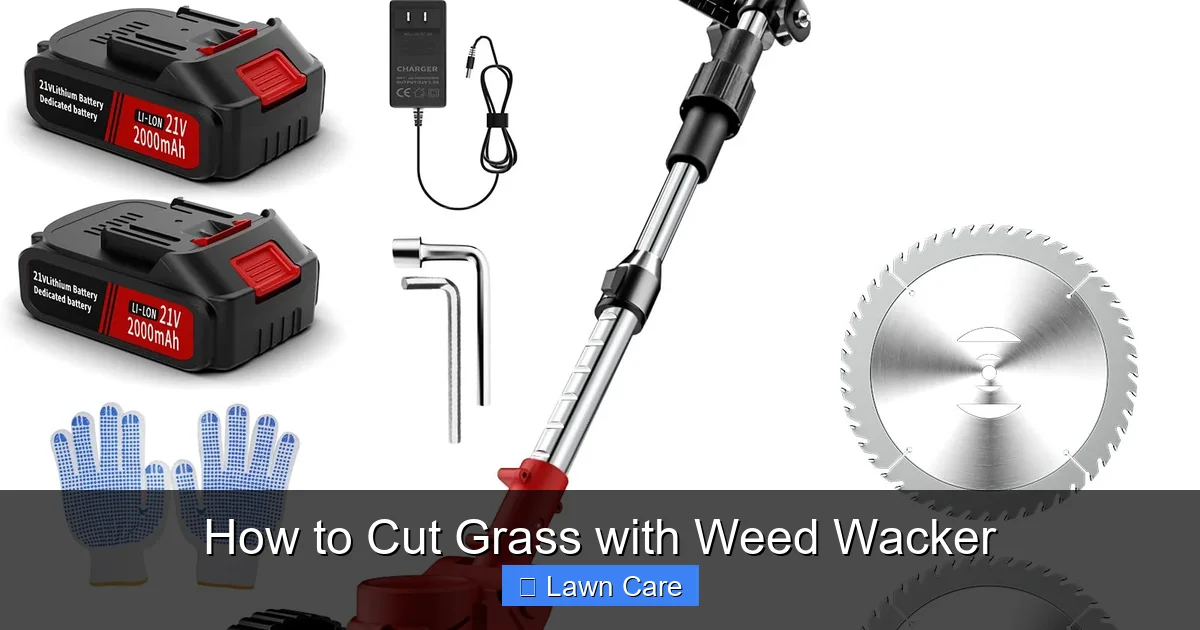
* Electric Weed Wackers (Corded): These are generally the lightest and easiest to use. They offer consistent power but are limited by the length of the power cord. They are best for smaller, simpler yards.
* Battery-Powered Weed Wackers: These offer the freedom of cordless operation without the hassle of gas. Battery life is the main consideration, and they are becoming increasingly powerful. They are great for small to medium-sized yards.
* Gas-Powered Weed Wackers: These are the most powerful and offer the longest run time. They are ideal for larger yards or tackling thick, overgrown grass. However, they are heavier and require more maintenance.
Understanding Your Tool
Regardless of the power source, take some time to read your weed wacker’s manual. Familiarize yourself with:
* Starting procedures: How to safely start the engine or motor.
* Throttle control: How to adjust the speed of the cutting line.
* Line advancement mechanism: How to extend the cutting line when it wears down.
* Handle placement and adjustments: How to set the handles for comfortable and balanced operation.
Getting Started: Proper Technique for Cutting Grass
Visual guide about How to Cut Grass with Weed Wacker
Image source: m.media-amazon.com
Once you’re geared up and familiar with your tool, it’s time to get to work. The way you hold and move the weed wacker is crucial for an effective and safe cut.
Your Stance and Grip
* Balanced Stance: Stand with your feet shoulder-width apart. This provides a stable base and allows you to move smoothly.
* Firm but Relaxed Grip: Hold the weed wacker with both hands. Your primary hand will be on the throttle handle, and your other hand will be on the support handle. Maintain a firm grip to control the machine, but avoid clenching too tightly, as this can lead to fatigue and reduced control.
* Adjust the Handles: Most weed wackers have adjustable handles. Position them so you can operate the trimmer comfortably without straining your back or arms.
The Cutting Motion
This is where you’ll really learn how to cut grass with a weed wacker.
* The Sweeping Technique: The most common and effective method is a side-to-side sweeping motion. Imagine you are “sweeping” the grass with the cutting line.
* Angle is Key: Don’t try to cut grass by holding the weed wacker straight up and down like a sword. Instead, angle the cutting head slightly downwards, so the cutting line is parallel to the ground or angled slightly towards the grass you want to cut. This allows the line to cut efficiently without excessive strain on the trimmer.
* Start Slow: Especially if you’re new to using a weed wacker, start with a slower throttle speed. As you gain confidence and skill, you can gradually increase the speed.
* Let the Tool Do the Work: Don’t force the weed wacker into thick grass. Let the spinning line do the cutting. Pushing too hard can bog down the motor, damage the trimmer, and lead to an uneven cut.
Managing Cutting Height
* The One-Pass Rule (Mostly): For moderately tall grass, aim to cut in one pass. However, if the grass is very long and thick, it’s better to make multiple passes at gradually lower heights. Trying to cut excessively long grass in one go can overload your trimmer. For these situations, you might find our guide on how to cut long grass with a good trimmer technique helpful.
* Listen to Your Trimmer: If you hear the engine bogging down or the motor straining, you’re likely trying to cut too much at once or the grass is too thick. Back off, adjust your technique, or make another pass.
* Height Consistency: Try to maintain a consistent height as you sweep across your lawn. This will help ensure an even finish.
Trimming Around Obstacles and Edges
Visual guide about How to Cut Grass with Weed Wacker
Image source: insideadvisorpro.com
Weed wackers are excellent for those areas a mower can’t reach, like around trees, fences, flower beds, and along pathways.
Working Around Trees and Plants
* Be Gentle: The spinning cutting line can easily damage tree bark and delicate plant stems. Keep the cutting head a safe distance away from them.
* Use the Tip: For trimming grass right at the base of a tree, use the very tip of the cutting line and approach with caution.
* Protect Flower Beds: If you have a weed wacker with a trimmer head shield, ensure it’s positioned between the line and your precious flowers. Consider using a string trimmer with a shorter line or a lower RPM for these sensitive areas.
Edging Along Sidewalks and Driveways
* Vertical Angle: For a clean edge, you’ll often tilt the weed wacker so the cutting head is nearly vertical.
* Controlled Movement: Move slowly and deliberately along the edge. This technique is excellent for creating a sharp, defined border for your lawn. For more specific advice on this, you might want to explore how to edge a lawn cleanly.
Trimming Near Fences and Walls
* Avoid Direct Contact: The cutting line can fray or break if it repeatedly hits hard surfaces like fences or walls. Try to trim close without actually touching them.
* Adjust Your Angle: You might need to adjust the angle of the weed wacker to get into tight spots near fences without causing damage.
Maintenance and Troubleshooting
Keeping your weed wacker in good condition will ensure it performs well and lasts longer.
Routine Maintenance
* Clean After Each Use: After you’re done trimming, wipe down the weed wacker with a damp cloth to remove grass clippings and dirt. Pay attention to the cutting head and motor housing.
* Check and Replace Cutting Line: The cutting line will wear down with use. Your weed wacker will have a mechanism to feed out more line. When it’s completely used up, you’ll need to replace the spool or manually feed in new line. Check your manual for specific instructions.
* Air Filter (Gas Models): For gas-powered trimmers, regularly check and clean or replace the air filter to ensure proper engine performance.
* Spark Plug (Gas Models): The spark plug can also become fouled. Inspect it and clean or replace it as needed.
* Lubrication: Some models may require periodic lubrication of moving parts. Consult your manual.
Common Troubleshooting Tips
* Weed Wacker Won’t Start:
* Electric/Battery: Check the power source. Is it plugged in? Is the battery charged? Is there a safety switch engaged?
* Gas: Ensure you have fresh fuel, the spark plug is connected, and the choke is set correctly for starting.
* Cutting Line Not Advancing:
* The spool might be empty, jammed, or improperly wound. You may need to rewind it or replace it.
* The automatic feed mechanism might be clogged. Clean it out.
* Trimmer Not Cutting Effectively:
* The cutting line might be too short or worn out. Advance more line.
* You might be trying to cut grass that’s too thick or wet. Allow the grass to dry or make multiple passes.
* The engine or motor might be struggling (bogging down). Reduce throttle or ease up on the pressure.
* Excessive Vibration:
* This could indicate a damaged cutting line, a bent shaft, or a worn-out part. Inspect the trimmer carefully.
When to Use a Weed Wacker Instead of a Mower
While a weed wacker can cut grass, it’s generally not a replacement for a lawn mower for large, open areas. However, it shines in specific situations. You might use your weed wacker instead of a mower when:
* Dealing with Overgrown Areas: If grass has become excessively long and thick, a weed wacker can be the first step to bringing it down to a manageable level before using a mower. This is similar to when you’re learning how to cut tall grass without a mower.
* Trimming Edges and Borders: Creating clean lines around flower beds, trees, and pathways.
* Navigating Obstacles: Getting into tight corners, around obstacles like garden statues, or along fences where a mower can’t reach.
* Small Lawns or Patchy Areas: For very small yards or if you only need to trim specific spots, a weed wacker can be more convenient than a mower. It’s also a fantastic tool for maintaining areas where grass struggles to grow, like after trying to repair patchy grass.
* Maintenance Between Mows: For keeping edges neat and tidy between full lawn mowing sessions.
It’s important to remember that for overall lawn health and an even finish, a lawn mower is typically the primary tool. However, a weed wacker is an indispensable secondary tool that complements mowing perfectly. If your goal is a consistently healthy lawn, you might also be interested in learning how often to cut grass or how short to cut your grass.
Conclusion: A Well-Trimmed Lawn is Within Reach
Using a weed wacker to cut grass might seem daunting at first, but with the right knowledge and practice, it’s a straightforward process. By prioritizing safety, understanding your tool, and employing proper cutting techniques, you can effectively maintain your lawn and achieve those clean, crisp edges. Remember to always be aware of your surroundings, wear your protective gear, and let the weed wacker do the work. With regular maintenance and careful use, your weed wacker will be an invaluable asset in keeping your yard looking its best.