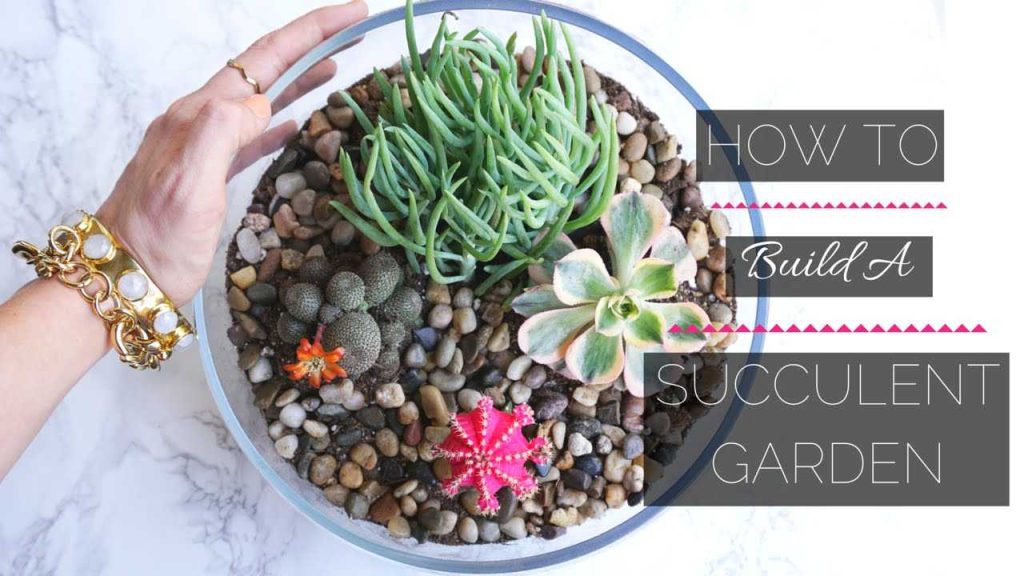
Creating a succulent garden is easier than you might think! Start by choosing a variety of succulent plants that thrive in your climate and selecting a suitable container or garden bed with well-draining soil. Arrange your plants in an appealing layout, keeping in mind their size and growth habits. Water sparingly, as succulents prefer drier conditions, and place your garden in a spot with plenty of sunlight. With just a little planning and care, you can enjoy a vibrant and low-maintenance succulent garden that adds beauty to your space.
Succulent gardens are becoming increasingly popular due to their unique shapes, colors, and minimal care requirements. Whether you’re an experienced gardener or a complete novice, these hardy plants can bring a touch of life to any space. Succulents, known for their ability to store water, come in various textures and hues, making them perfect for creative arrangements. They thrive in warm, sunny conditions and can be adapted to various settings, from small pots on a windowsill to expansive outdoor displays. Let’s dive into the steps to successfully create your own stunning succulent garden that will not only beautify your environment but also provide a sense of tranquility.

How To Create Succulent Garden
Creating a succulent garden is a rewarding endeavor that brings together creativity and nature. Succulents are low-maintenance plants that come in various shapes, sizes, and colors, allowing for unique and vibrant garden designs. If you’re wondering how to create your own succulent garden, this guide will walk you through the entire process, from selection to maintenance.
Understanding Succulents
Succulents are plants that store water in their leaves, stems, or roots. This adaptation allows them to thrive in arid environments. They come in many forms, including cacti, sedums, and agaves, each with its specific characteristics. Here are some key points about succulents:
- They require minimal care and are perfect for beginners.
- Most succulents prefer bright, indirect sunlight.
- They thrive in well-draining soil to prevent rot.
Knowing about succulents will help you choose the right ones for your garden.
Choosing the Right Location
The first step in creating your succulent garden is selecting the ideal location. Succulents thrive in bright, sunny spots. Here are some tips:
- Look for a south-facing area that receives at least six hours of sunlight.
- Avoid shaded areas, as they can cause succulents to stretch and become leggy.
- If planting outdoors, consider wind protection to prevent damage from harsh weather.
Once you find the right location, you are ready to move to the next step.
Selecting Your Succulents
Choosing the right succulents can make your garden unique and beautiful. Here are some popular options:
- **Echeveria** – Known for its rosette shape and vibrant colors.
- **Aloe Vera** – Also offers medicinal benefits.
- **Jade Plant** – Symbolizes prosperity in many cultures.
- **Haworthia** – Great for indoor spaces due to its low light requirement.
Consider mixing different types to create visual interest.
Preparing the Soil
Soil plays a significant role in the health of your succulents. Use a well-draining mix designed specifically for cacti and succulents. Here’s how to prepare your soil:
1. **Choose the right potting mix:** Look for one that contains sand, perlite, or pumice.
2. **Add drainage materials:** Incorporate additional materials for extra drainage.
3. **Test the pH:** Ideally, the soil pH should be around 6.0 to 7.0 for succulents to thrive.
Proper soil preparation will significantly affect the growth of your plants.
Planting Your Succulents
Planting succulents requires a gentle hand. Follow these steps to ensure successful planting:
1. **Use pots with drainage holes:** This allows excess water to escape and prevents rot.
2. **Fill pots with soil:** Leave some space at the top for watering.
3. **Plant succulents gently:** Place them in the soil and cover the roots without packing the soil too tightly.
After planting, give them a light watering to settle the soil.
Designing Your Garden Layout
Designing your succulent garden can be an enjoyable process. Think about how you want it to look. Here are a few ideas:
- **Symmetrical designs:** Arrange succulents in a pattern for a balanced look.
- **Asymmetrical layouts:** Create a more natural look with a variety of heights and widths.
- **Layering:** Use taller succulents in the back and shorter ones in the front to create depth.
Let your creativity shine while designing your garden.
Watering Your Succulent Garden
Watering is crucial for succulent care. It’s important to remember that less is often more. Here are some watering tips:
- **Water thoroughly but infrequently:** Let the soil dry out completely before the next watering.
- **Avoid overhead watering:** Water at the base to prevent mold.
- **Adjust for seasons:** In winter, succulents require less water than in summer.
Overwatering is a common mistake that can lead to the decline of your plants.
Sunlight Requirements
Sunlight plays a vital role in the health of your succulents. While most prefer bright light, some can tolerate lower light conditions. Here’s a breakdown:
- **Full Sun:** Many succulents thrive in direct sun for most of the day.
- **Partial Shade:** Some varieties, like Haworthia, do better in indirect light.
- **Indoor Succulents:** Place them near a window with good light exposure.
Keep an eye on your plants and adjust their location as needed.
Fertilizing Your Succulents
Fertilizing succulents is not always necessary, but it can enhance their growth. Here are some guidelines:
1. **Use a diluted fertilizer** designed for succulents and cacti.
2. **Fertilize during the growing season:** Spring and summer are the best times for feeding.
3. **Avoid over-fertilization:** Too much fertilizer can harm your plants.
With just a little care, your succulents will thrive.
Common Pests and Problems
Like all plants, succulents can face pests and problems. Here are some common issues:
- **Mealybugs:** Look for cotton-like masses and treat with insecticidal soap.
- **Fungus gnats:** Overwatering can attract these pests; allow the soil to dry out.
- **Root rot:** Caused by overwatering; ensure proper drainage to prevent it.
Staying vigilant will help keep your succulent garden healthy.
Seasonal Care Tips
Depending on the season, your succulent care routine may change. Here are some tips for each season:
- **Spring:** This is the growing season. Increase watering and consider fertilizing.
- **Summer:** Monitor for signs of stress due to high heat and adjust watering accordingly.
- **Fall:** Gradually reduce watering as plants prepare for dormancy.
- **Winter:** Most succulents need little to no water during winter; ensure they are in a frost-free environment.
Adjusting your care throughout the year ensures vibrant plants.
Repotting Your Succulents
Repotting is an essential part of succulent care as they grow. Here’s when and how to repot:
1. **Repot every 1-2 years:** If you see roots growing out of the drainage holes, it’s time to repot.
2. **Choose a slightly larger pot:** This gives the roots more room to grow.
3. **Use fresh soil:** Always use new potting mix to provide nutrients.
Repotting helps maintain the health and aesthetics of your garden.
Creating a Container Garden
If you’re limited on space, consider creating a succulent container garden. Here’s how:
- **Select a suitable container:** Ensure it has drainage holes.
- **Combine different succulents:** Mix colors, shapes, and sizes for visual appeal.
- **Follow the same care tips:** Water, sunlight, and fertilization still apply.
Container gardens can be placed on patios, balconies, or indoors.
Creating your succulent garden can be a fun and fulfilling project. With the right knowledge and care, you can enjoy a beautiful and thriving collection of these stunning plants. Whether you choose to create a small container garden or a large outdoor display, succulents will bring joy and color to your space.
HOW TO CREATE A SUCCULENT GARDEN / STEP BY STEP GUIDE TO CREATING AN OUTDOOR SUCCULENT GARDEN
Frequently Asked Questions
What types of succulents are best for a garden?
When selecting succulents for your garden, consider varieties that thrive in your climate. Popular choices include aloe vera, echeveria, sedum, and jade plant. Each type offers unique shapes and colors, enhancing the overall aesthetic of your garden. Look for drought-resistant varieties that can withstand your local weather conditions.
How do I care for my succulent garden?
Caring for your succulent garden involves providing the right amount of sunlight, water, and soil. Place your succulents in a spot that receives bright, indirect light. Water them only when the soil is completely dry, usually every two to three weeks. Use a well-draining soil mix specifically designed for succulents to prevent root rot.
Can I create a succulent garden indoors?
Yes, you can absolutely create a beautiful succulent garden indoors. Choose a spot with plenty of natural light, such as near a window. Use decorative containers to add style while ensuring they have drainage holes. Monitor the moisture level and avoid overwatering, as indoor environments can retain moisture more than outdoor settings.
What soil should I use for a succulent garden?
Opt for a well-draining soil mix specifically formulated for succulents and cacti. You can create your own mix by combining regular potting soil with perlite or sand. This combination improves drainage and prevents water retention, which is crucial for succulent health.
How often should I fertilize my succulents?
Fertilize your succulents during the growing season, typically spring and summer. Use a diluted, balanced fertilizer designed for cacti or succulents, applying it once a month. In fall and winter, reduce or stop fertilization since succulents enter a dormant phase during these months.
What common pests affect succulent gardens?
Common pests that can harm your succulent garden include aphids, mealybugs, and spider mites. Regularly inspect your plants for signs of infestation, such as wilting or discoloration. If you spot pests, remove them manually or treat your plants with insecticidal soap to keep them healthy.
Final Thoughts
Creating a succulent garden involves selecting the right types of succulents, preparing your soil, and ensuring proper drainage. Choose a variety of shapes, colors, and sizes for visual interest, and plant them in well-draining pots or garden beds.
Regular care is essential; water your succulents sparingly and provide adequate sunlight.
By following these steps, you can enjoy a beautiful and low-maintenance succulent garden. Embrace the joy of gardening as you apply this guide on how to create a succulent garden and watch your plants thrive.