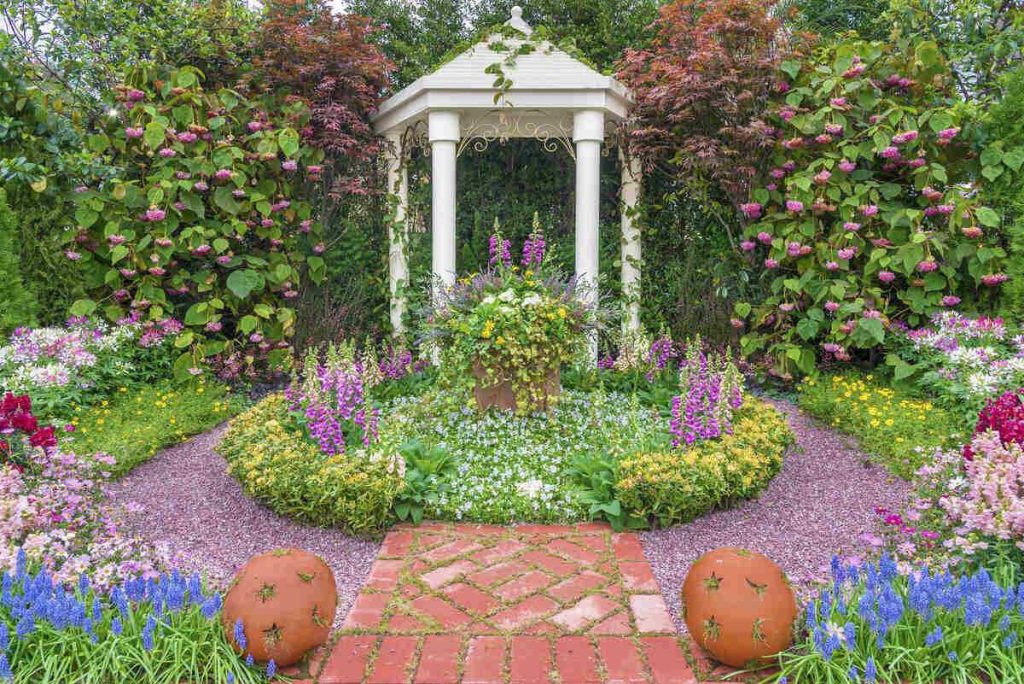
Creating a Goth garden is all about embracing the darker, mysterious aesthetics that reflect the subculture’s unique charm. To get started, choose plants with deep, moody colors like dark purple, black, and blood red. Incorporate elements like wrought-iron fencing, eerie statues, and moody lighting to enhance the atmosphere. Think about adding features such as a small pond or a stone path to create a sense of intrigue and enchantment. Remember, the goal is to create a space that feels inviting yet has an air of the macabre. So grab your gardening gloves, let your imagination run wild, and transform your outdoor space into a captivating Goth haven that tells your personal story.
When it comes to creating a Goth garden, the key is to focus on a combination of dark colors, unique textures, and a touch of whimsy, all while ensuring that the space feels alive and welcoming.

How To Create A Goth Garden
Creating a goth garden is a wonderful way to showcase your unique style and personality. This type of garden allows you to express your love for the darker aesthetics of life, while still enjoying the beauty of nature. Let’s delve into the key components and steps involved in creating a stunning goth garden.
Choosing the Right Location
The first step in creating a goth garden is selecting the perfect location. Choose a space that offers some shade, as darker plants thrive in less direct sunlight. A corner of your yard or a secluded area can work well.
Ensure the area is free from heavy foot traffic. This helps your garden maintain its mysterious vibe. Make sure it is also easily accessible for maintenance and can be viewed from a comfortable spot.
Understanding the Aesthetic
Goth gardens often embrace an *edgy and whimsical* aesthetic. Think of themes that incorporate elements like dark colors, dramatic shapes, and eerie elements.
You might want to consider using gothic symbols, such as skulls or ravens, as decorative pieces. These can be integrated into your garden structures or placed at focal points.
Selecting Plants for Your Goth Garden
When it comes to plants, focus on those with dark foliage or unique textures. Here are some excellent choices:
- Black Lace Elderberry
- Dark Purple Colocasia
- Black Tulips
- Black Roses
- Nightshade
Incorporating plants with unusual blooms or shapes can also add interest. Think about spikes, curves, or trailing features.
Consider Seasonal Blooms
To keep your goth garden lively throughout the year, consider plants that bloom in different seasons. This ensures that you have visual interest year-round. For example, plant evergreen shrubs for winter beauty and flowering plants that bloom in spring or fall.
Creating Focal Points
Focal points are essential in any garden design. For a goth garden, consider unique statues, wrought iron fences, or antique garden furniture.
A trellis covered in dark climbing roses can also serve as a dramatic centerpiece. Incorporating water features, like a small fountain adorned with skulls, can enhance the dark theme.
Utilizing Color Schemes
Color plays a crucial role in a goth garden. Deep colors like purples, blacks, and reds provide an ideal palette. You can create contrast using white or silver accents, such as gravel or decorative stones.
Consider using dark mulch to enhance the richness of the plant colors. Avoid overly bright colors that may clash with the goth aesthetic.
Incorporating Textures
Texture is another important aspect of a goth garden. Mix plants with varying leaf shapes and textures for added interest.
Think about combining smooth leaves with spiky or velvety textures. This can create a visually dynamic environment that keeps the eyes moving throughout the garden.
Lighting Your Goth Garden
Proper lighting can dramatically change the mood of your goth garden. Consider adding lanterns or fairy lights to create an enchanting atmosphere.
Subtle, dim lighting can enhance the mystery of the space. Solar-powered garden lights with dark finishes work well for a sustainable option that preserves the aesthetic.
Adding Architectural Features
Incorporating architectural elements can enhance the gothic feel of your garden. Archways, arbors, or trellises in wrought iron can create a classic gothic look.
Consider incorporating stone pathways that lead to different garden areas. This encourages exploration while adding to the overall mysterious vibe.
Decorative Elements
Unique decorative elements can personalize your goth garden. Here are some ideas to inspire you:
- Skulls or skeletons placed discreetly among the plants
- Gothic-style birdbaths or feeders
- Dark-colored or antique containers for planting
- Statues of ravens, angels, or gargoyles
- Moss-covered rocks or stones
Each decorative piece can tell a story and contribute to the garden’s overall theme.
Maintaining Your Goth Garden
Regular maintenance is essential for any garden. For a goth garden, pay special attention to keeping plants healthy and vibrant. Pruning dead leaves and ensuring your plants are insect-free is crucial.
Watering should be done carefully based on your plant selections. Some darker plants may require more water than others, so being mindful of their needs will help them thrive.
Seasonal Changes and Adjustments
As seasons change, be flexible with your garden. Swap out summer plants for winter-friendly options to keep things fresh.
You might also want to decorate your garden for different holidays or seasons. Gothic decorations for Halloween, for example, can amplify the garden’s theme.
Creating a Social Space
Don’t forget to make your goth garden a place to gather. Create seating areas with dark-colored furniture or cushions.
This allows you and your friends to enjoy the mood and beauty of the space. Adding a fire pit can also create a cozy gathering spot during cooler evenings.
Exploring Additional Themes
While goth gardens often feature dark elements, don’t hesitate to explore other themes. You could mix some elements of *steampunk*, *victorian*, or *enchanted* gardens with your gothic design.
Each style can enhance the overall gothic aesthetic while adding layers and depth.
Getting Inspiration
Lastly, draw inspiration from various sources. Look at gothic literature, art, and films for ideas on how to style your garden.
Exploring local botanical gardens or visiting garden fairs can also spark creativity. Documenting your ideas in a garden journal can help you keep track of your vision.
Creating a goth garden allows you to embrace your unique style while enjoying all that nature has to offer. By carefully selecting plants, incorporating dark aesthetic themes, and creating inviting spaces, your garden can become a beautiful reflection of your gothic spirit. It’s a process that takes time and patience, but the results will be rewarding for both you and the environment.
HOW TO BUILD A GOTHIC GARDEN WALL FOLLY, arches, wall fountain, arrow slots, windows (21 DAY BUILD)
Frequently Asked Questions
“`html
What types of plants are ideal for a Goth garden?
Choose plants with dark, rich colors like deep purple or black flowers. Consider varieties such as Black Roses, Dark Hellebores, and Purple Coneflowers. Plants with unique textures, such as ornamental grasses or dark foliage like Heuchera ‘Obsidian’, also contribute to the goth aesthetic.
How can I incorporate gothic decor into my garden?
Add gothic elements by using items like wrought iron trellises, dark stone statues, or antique lanterns. Incorporate eerie features such as a weathered birdbath or an archway adorned with climbing plants to enhance the dark theme of your garden.
What are some color schemes that work well in a Goth garden?
Focus on color schemes that feature deep, moody shades such as black, purple, and deep red. Pair these with contrasting lighter shades like silver or white to create visual interest. Incorporating metallics like gold or silver can also add a touch of elegance to the darker color palette.
Can I create a Goth garden in a small space?
Absolutely! Use vertical space by incorporating wall planters or hanging pots. Choose dwarf varieties of your favorite goth plants to maximize space. Utilize containers to create distinct areas within your garden, allowing for a gothic atmosphere even in limited areas.
How do I care for plants in a Goth garden?
Maintain your goth garden by ensuring proper drainage and soil health. Regularly water plants as needed, and prune them to keep them looking their best. Monitor for pests and diseases, using organic solutions whenever possible to preserve the garden’s aesthetic.
“`
Final Thoughts
Creating a goth garden allows you to express your unique style through dark, enchanting aesthetics. Focus on selecting plants with deep colors and unusual shapes, such as black roses and purple heucheras, to establish a moody atmosphere.
Incorporate elements like wrought iron decor and dark stones to enhance the gothic vibe. Adding ambient lighting, such as lanterns and candles, will create a mystical charm during the evening.
By following these guidelines, you can successfully cultivate a space that reflects your personality. Remember, knowing how to create a goth garden is all about embracing dark beauty and individuality.