Image source: Bing (Web (fair-use with source credit))
You've probably spotted a brown patch in your lawn that doesn't respond to watering, and now you're looking up how to control grubs organically. Maybe you've even peeled back a section of turf and found those pale curled larvae staring back at you. The good news is you have real options that won't poison your soil, your pets, or the groundwater.
But picking the right one depends on what you're actually dealing with underneath the grass.
Here's the thing most articles skip: not all grubs respond to the same treatment. A method that wipes one species out completely might do almost nothing to another species living in the same yard. According to university extension research, treatment damage thresholds typically kick in at five to ten grubs per square foot, so before spending a dollar on any product, you need to confirm what's down there and whether the population actually warrants action.
Quick Answer
The fastest biological curative is beneficial nematodes (Heterorhabditis bacteriophora), applied in late summer when soil is moist and temperatures are 55 to 85°F. For long-term Japanese beetle grub prevention, milky spore (Paenibacillus popilliae) colonizes soil over one to three years and protects for ten to fifteen years. Bt galleriae offers a middle ground, killing grubs in 24 to 72 hours but needing reapplication. Match every method to your grub species, season, and soil temperature for results.
How to Tell If You Actually Have Grubs (Before You Treat Anything)
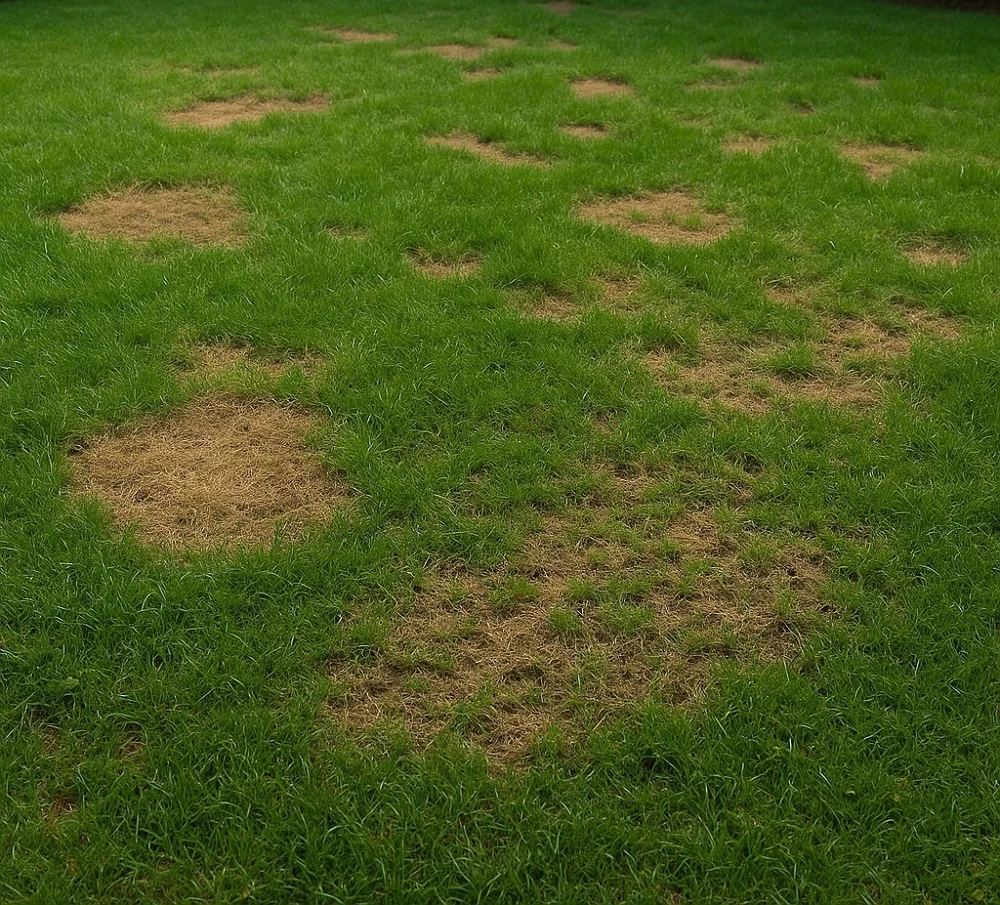
Brown, spongy patches that peel back like loose carpet are the classic sign. But drought stress, fungal disease, and dog urine spots can look almost identical from above. You need to confirm before treating.
The simplest test is the tug test. Grab a handful of grass in a suspect area and pull. If the sod lifts easily with no root resistance, something has chewed through the roots below.
You can also cut a one-foot-square flap of turf and flip it over. Shake the dirt loose and count what you find.
Here's the damage threshold most extension services use:
| Grubs per sq ft | Action needed |
|---|---|
| 0 to 4 | Usually none. Lawn can tolerate it. |
| 5 to 9 | Monitor closely. Consider preventive treatment next season. |
| 10+ | Active intervention recommended. Choose curative method. |
Other animals are often outpaced in their rummaging by homeowners realizing the problem is skunks and raccoons. Skunks peel back sod in neat, rolled strips. Raccoons tear messier chunks.
If you see that nighttime destruction, your grub count is almost certainly well above the ten-per-square-foot mark.
One overlooked secondary symptom is birds. If starlings, grackles, or crow family species are repeatedly working the same lawn area, they're feeding on larvae below the surface.
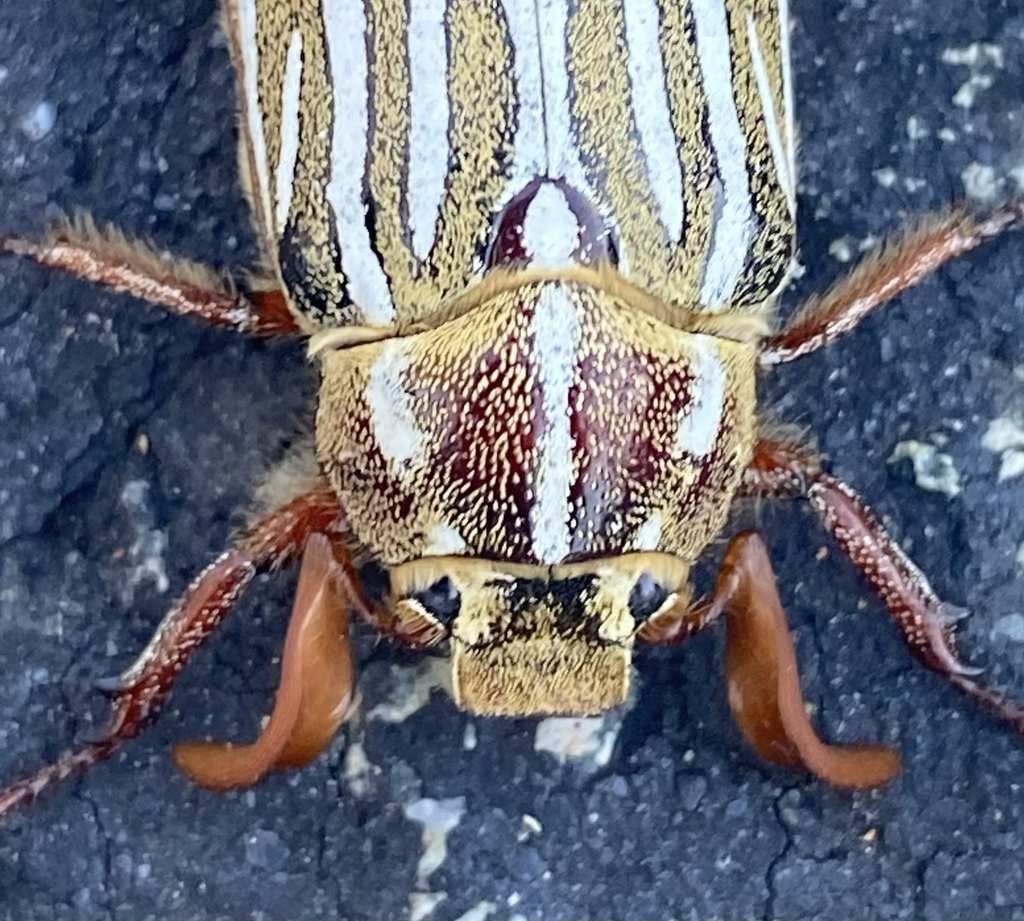
Image source: iNaturalist / Irene
Which Grub Species You're Dealing With (and Why It Changes Everything)
Here's where most organic grub advice falls apart. The recommendations above are common categories, but the specific local species you're dealing with determines which control method will work on your property.
Japanese beetle grubs (Popillia japonica) are the one species milky spore targets specifically. Milky spore does almost nothing to European chafer, masked chafer, or Asiatic garden beetle larvae. If you apply milky spore in a region dominated by European chafer, you've wasted your money entirely.
European chafer (Amphimallon majale) is the dominant problem species across much of the Northeast and upper Midwest, and it's one of the toughest grubs to control organically because it has a shorter, later hatch window. Beneficial nematodes need to be timed more precisely.
June bugs and May beetles (Phyllophaga species) are larger, have a two to three year life cycle, and tend to show up sporadically rather than in annual waves, which makes preventive timing trickier.
How do you tell them apart without a lab? Size and the raster pattern, the arrangement of hairs and spines on the underside of the grub's tail end, is the gold standard. University extension services offer identification keys with magnified images that let you match what you've dug up.
It takes five minutes and saves you from treating for the wrong species.
The Decision Tree: Matching the Right Organic Method to Your Situation
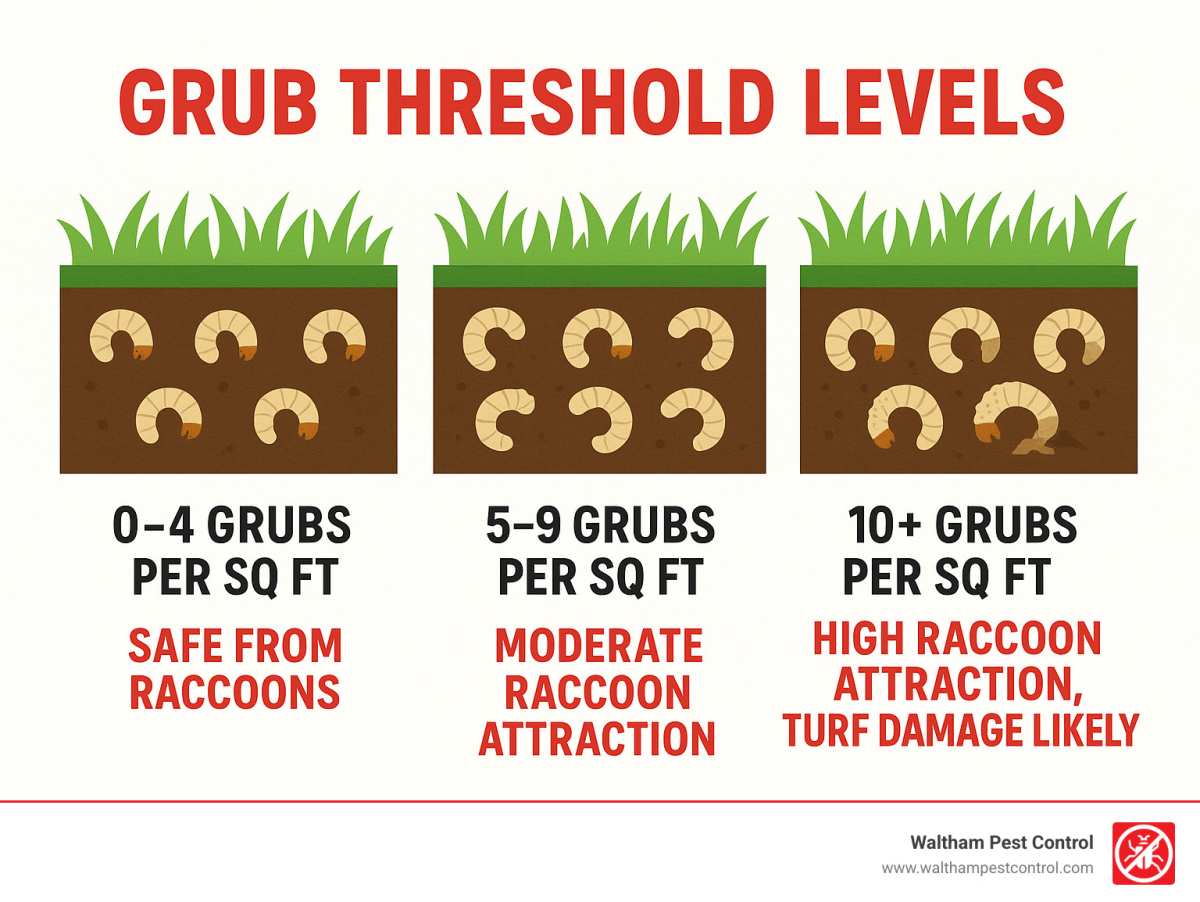
Image source: Bing (Web (fair-use with source credit))
Rather than ranking methods from best to worst, this decision tree walks you through the conditions that determine which method actually fits your yard.
If you have confirmed Japanese beetle grubs and want long-term prevention:
Go with milky spore. Apply it in a grid pattern every four feet across the affected area. It establishes in the soil over one to three years and can remain effective for ten to fifteen years.
One application protects the same area for over a decade.
If you have European chafer, June bug, or mixed species and grubs are actively feeding right now:
Use Heterorhabditis bacteriophora nematodes as your curative treatment. They actively seek out grubs in the soil and carry symbiotic bacteria that kill the host within 24 to 48 hours.
If you need visible results this week and are dealing with a moderate infestation:
Bt galleriae applied as a soil drench kills grubs within 24 to 72 hours of ingestion. It's highly targeted to beetle larvae and won't harm earthworms, bees, or birds.
If you want to deter adult beetles from laying eggs in the first place:
Neem oil (azadirachtin) sprayed on lawn areas in early summer disrupts egg-laying and feeding behavior. Think of it as a repellent rather than a killer. It won't solve an existing grub problem.
If the infestation is severe and you're losing large sections of lawn:
Combine nematodes now with milky spore for next season. This addresses the current population and builds lasting population suppression over time.
| Method | Best grub species | Speed of action | Duration of protection |
|---|---|---|---|
| Milky spore | Japanese beetle only | 1 to 3 years to establish | 10 to 15+ years |
| Beneficial nematodes | Broad spectrum | 2 to 4 weeks | One season, reapply annually if needed |
| Bt galleriae | Broad spectrum | 24 to 72 hours | 1 to 2 weeks, reapply as needed |
| Neem oil (preventive) | Broad spectrum | Deters egg-laying immediately | Days to weeks, reapply regularly |
Image source: Bing (Web (fair-use with source credit))
Beneficial Nematodes: When and How to Use Them for Grubs
Beneficial nematodes are microscopic roundworms that hunt grubs in the soil. Heterorhabditis bacteriophora is the species most effective against white grubs. They enter through natural body openings and release symbiotic bacteria that kill the grub from the inside within a day or two. The nematodes reproduce inside the dead host and move on to find more grubs.
These are living organisms, which makes handling completely different from mixing up a standard product. They need refrigeration on arrival, not sitting on a sunny porch. They should be applied to moist soil in the evening or on overcast days because ultraviolet light kills them.
Soil temperatures between 55 and 85°F are the sweet spot. Below 50°F they become dormant. Above 90°F survival drops off sharply.
Water the lawn thoroughly a day before application. Mix the nematodes with enough water to cover the treatment area and apply them through a watering can, hose-end sprayer, or pump sprayer with nozzles removed, since narrow nozzles can damage nematodes. Water the area again immediately after application to push them down into the soil profile.
Keep the soil consistently moist for the following week. Letting it dry out kills nematodes before they can find grubs.
Most products containing one billion nematodes cover roughly 3,000 square feet. For grub control, apply from late August through October when third-instar larvae are small and vulnerable. Spring applications can still work, but results are less consistent to predict because grugs are larger and nematode populations decline over winter.
Application check list
- Water lawn deeply 24 hours before treatment
- Apply in early evening or on overcast days
- Use a sprayer without a fine nozzle
- Water immediately after application with roughly one-quarter inch of water
- Keep soil moist for 7 to 10 days after application
- Store unopened product refrigerated and use by the expiration date
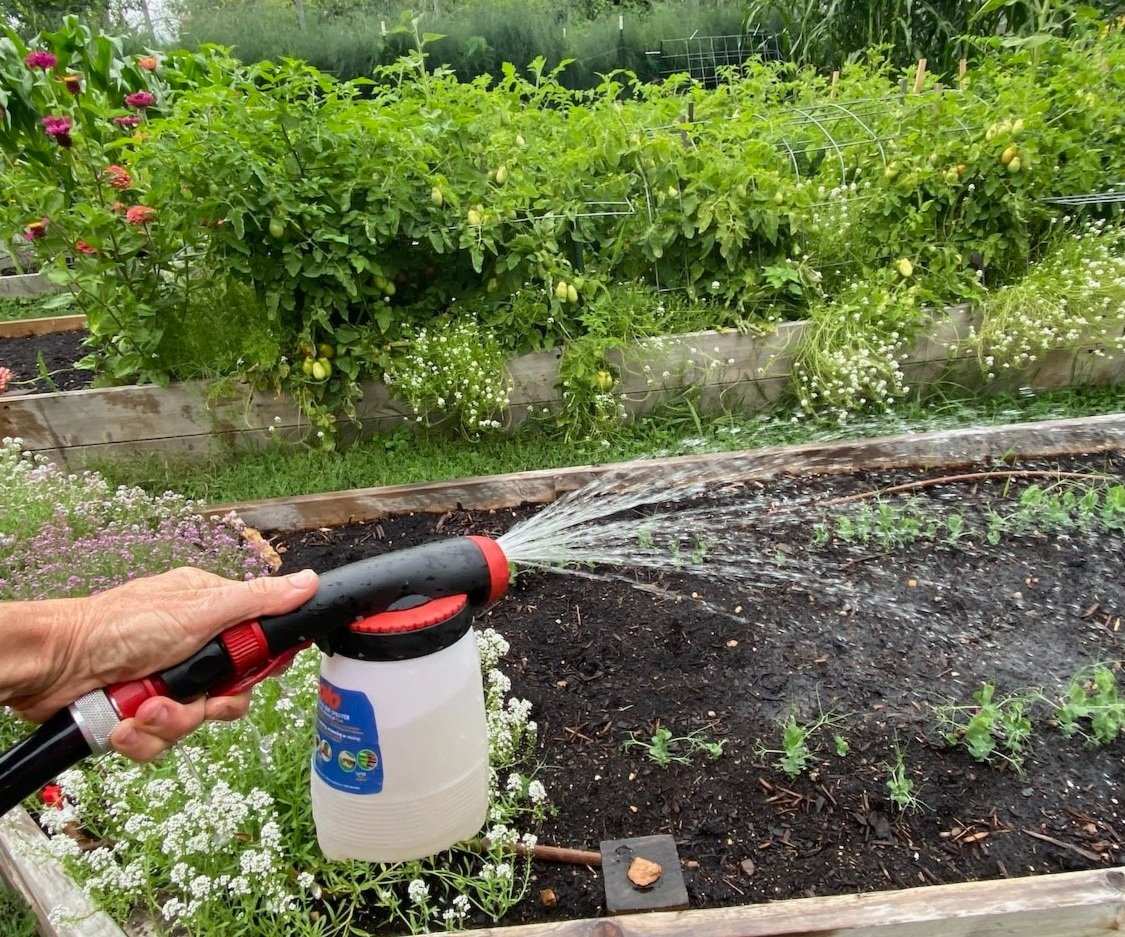
Image source: Bing (Web (fair-use with source credit))
Milky Spore: The Long-Game Option That Only Works for Japanese Beetles
Milky spore is the bacterium Paenibacillus popilliae. When Japanese beetle grubs ingest it while feeding on roots, the spores multiply inside the grub, eventually killing it and releasing billions of new spores back into the soil. It's a self-sustaining cycle that builds over years.
This method has one hard limitation: it's essentially useless against European chafer, Asiatic garden beetle, or any non-Japanese beetle grub. If you've identified your grubs as anything else, skip milky spore entirely. Applying it won't hurt anything, but it won't help either.
The timeline requires patience. In year one, you may see no measurable change. Years two to three are when populations in the soil typically cross the threshold needed to suppress damage.
Full protection often arrives in years three to five in cooler climates. Once established, it persists for ten to fifteen years and sometimes longer, which makes it one of the lowest-maintenance organic solutions available.
Application is straightforward. You apply a teaspoon-sized dollop of milky spore powder every four feet in a grid pattern across the lawn. Water it in lightly.
No deep soil penetration is needed. A single application covers the area permanently, unlike nematodes, which need annual retreatment if grub pressure remains high.
The best time to apply is late August through October, when Japanese beetle grubs are actively feeding and most vulnerable to ingestion. Spring applications can still work because the spores need contact with larvae rather than adult beetles, but late season gives the bacterial population its best chance to establish before winter dormancy.
Bt Galleriae and Neem Oil: Fast-Acting Options and Their Limits
Bacillus thuringiensis galleriae is a soil bacterium closely related to the more common Bt used against caterpillars. When beetle larvae ingest treated foliage or soil, the crystalline proteins produced by Bt galleriae damage their gut lining, and feeding stops within hours. Most susceptible grubs die within 24 to 72 hours.
This speed makes Bt galleriae the closest organic equivalent to synthetic curative products. It's OMRI-certified for organic use and effective against a broader range of beetle species than milky spore. However, it breaks down quickly under UV exposure and typically needs reapplication every seven to fourteen days during active grub seasons.
It's expensive as a standalone seasonal program, so most people layer it under nematodes for immediate knockdown and nematodes for residual soil search.
Neem oil works differently. The active compound in neem oil, azadirachtin, disrupts insect feeding and breeding behavior rather than killing young beetles on contact. Applied as a foliar and soil drench in early to midsummer, it discourages adult beetles from laying eggs in treated areas.
It has almost no effect on grubs that are already established in the soil. Think of it as a preventive boundary layer targeted at the adult stage, not a remedy for larvae.
Neem oil breaks down quickly in sunlight and washes away in heavy rain, so expect to reapply every five to seven days during peak beetle activity. It's most useful in a rotation strategy: apply neem in June and July to disrupt adult behavior, then follow with nematodes in August and September to control newly hatched grubs.
Step-by-Step: How to Apply Organic Grub Treatments the Right Way
Organic grub control demands more attention to detail than chemical methods because biological agents can die, wash away, or simply miss their window if conditions aren't right.
Confirm the problem. Flip a one-foot-square section of turf, count the grubs, and identify the species. Skip treatment if you find fewer than five per square foot.
Choose the right method based on species and goal. Match the table in the decision tree section above. Do not assume one method covers all situations.
Check soil temperature. Use a soil thermometer at two-inch depth. Nematodes need 55 to 85°F. Bt galleriae works best around 60°F and above. Milky spore can handle cooler soil because the spores persist and wait for active feeding.
Time it right. Late August through October is the primary window for most methods in North American climates, when third-instar larvae are small and close to the surface. Adjust earlier in southern regions with mild fall temperatures. Adjust later in northern regions with early frosts.
Water before and after application. Pre-watering moistens the soil so biological agents penetrate rather than sitting on the surface. Post-watering washes nematodes and Bt residue off foliage and into the soil column.
Apply in the evening or on overcast days. UV light kills nematodes and degrades Bt galleriae within hours. Evening applications give biological agents the best chance to establish before sunrise.
Keep soil moist for one to two weeks after treatment. Nematodes need moisture to move through soil pores. Letting the top two inches dry out kills them before they reach grubs.
Monitor and reassess. Check treated areas two to four weeks after application. If grub counts remain above the damage threshold, a second nematode application or a switch to Bt galleriae may be warranted.
Timing Is Everything: When to Treat Based on Grub Life Cycle
Adult beetles lay eggs in midsummer, typically June through early August depending on species and region. Eggs hatch within two weeks, and the resulting first-instar grubs are tiny and hard to kill. They grow through three larval stages over the following weeks, with third-instar grubs being the most damaging to turf roots.
The sweet spot for organic treatment is late August through October, when grubs are in their second or third instar, actively feeding near the surface, and still small enough for nematodes and Bt to be effective. This is when the grubs are most vulnerable and the damage they cause is most visible.
Spring treatments can work but are less reliable. Grugs are larger and harder to kill, and many have already pupated and left the soil as adult beetles by the time soil temperatures rise. Spring nematode applications often show inconsistent results because the window of vulnerability has narrowed.
Here's a rough seasonal calendar for most of the continental United States:
| Month | What's happening | Best action |
|---|---|---|
| June to July | Adult beetles active, egg-laying | Neem oil as preventive deterrent |
| August to September | Grubs hatching, early instars | Begin monitoring, prepare for treatment |
| September to October | Second and third instars, peak feeding | Apply nematodes, Bt galleriae, or milky spore |
| November to March | Grubs move deep, dormant | No treatment effective |
| April to May | Large grubs near surface, pupation begins | Late curative option if needed, but less reliable |
What to Do When Organic Methods Aren't Enough
Sometimes the infestation is too severe for biological controls alone. If you're finding twenty or more grugs per square foot and the lawn is actively dying, you may need to combine approaches or accept that a section needs renovation.
A combined approach looks like this: apply Bt galleriae for immediate knockdown, follow with nematodes two weeks later for residual control, and apply milky spore in the same area for long-term Japanese beetle suppression. This three-layer strategy addresses the current population, catches survivors, and builds future resistance in the soil.
If large sections of lawn are already dead, sometimes the most practical move is to rake out dead turf, reseed with a grub-tolerant grass blend, and treat the surrounding area preventively. Tall fescue varieties with deep root systems tend to tolerate moderate grub pressure better than shallow-rooted Kentucky bluegrass.
In extreme cases where organic methods have failed repeatedly over multiple seasons, some homeowners choose a single application of a reduced-risk synthetic product like chlorantraniliprole, which has a lower environmental profile than older chemicals. This is a personal decision, and it doesn't mean organic methods have failed. It means the infestation exceeded what biological controls can handle in a single season.
Common Mistakes That Waste Your Time and Money
The number one mistake is treating without identifying the grub species. Milky spore on European chafer grubs is a complete waste of money. Always confirm what you're dealing with before buying anything.
Applying nematodes in hot, dry soil is the second most common failure point. Nematodes are living organisms. If the soil is dry and the temperature is above 90°F, they die before they can find a single grub.
Always pre-water and apply in the evening.
Expecting instant results from biological controls is another trap. Bt galleriae works fast, but nematodes take two to four weeks to show measurable population reduction. Milky spore takes years. If you need results this week, Bt galleriae is your only realistic organic option.
Buying nematodes from a source that doesn't refrigerate them during shipping is a gamble. Dead nematodes look identical to live ones in the package. Buy from suppliers who ship with cold packs and guarantee viability on arrival.
Skipping the post-application watering step is surprisingly common. Nematodes need to be washed off grass blades and into the soil. Without that immediate watering, they dry out and die on the surface.
Finally, treating at the wrong time of year undermines everything. Spring applications of nematodes often fail because grugs are too large and too deep. Stick to the late summer and early fall window for the most reliable results.
How to Prevent Grubs From Coming Back Next Year
Prevention is cheaper and easier than curative treatment. A healthy, well-maintained lawn tolerates low grub populations without visible damage.
Deep, infrequent watering encourages grass roots to grow deeper, making the turf more resilient to root feeding. Daily shallow watering produces shallow roots that grugs can devastate quickly.
Mowing at the proper height for your grass type, typically three to four inches for most cool-season lawns, shades the soil surface and makes it less attractive to egg-laying beetles. Shorter lawns heat up faster and dry out more, which is exactly what adult beetles prefer for egg-laying.
Overseeding with endophyte-enhanced grass varieties can also help. These grasses contain beneficial fungi that make the plants less palatable to feeding insects, including grubs.
If you've had grub problems in previous years, apply milky spore in Japanese beetle areas or plan a preventive nematode application for late summer. Preventive nematode applications target newly hatched grugs before they grow large enough to cause significant root damage.
Costs, Coverage, and What to Expect From Each Method
Organic grub control costs vary widely depending on method and lawn size. Here's a realistic breakdown for a typical 5,000-square-foot lawn:
| Method | Approximate cost | Coverage | Frequency |
|---|---|---|---|
| Milky spore | $30 to $50 | 3,000 to 5,000 sq ft | One-time application |
| Beneficial nematodes | $30 to $60 per application | 3,000 sq ft per billion count | Annual if needed |
| Bt galleriae | $20 to $40 per application | 2,000 to 3,000 sq ft | Every 1 to 2 weeks during season |
| Neem oil | $15 to $25 per application | 2,000 to 3,000 sq ft | Every 5 to 7 days during beetle season |
Milky spore has the highest upfront cost per square foot but the lowest long-term cost because it protects for over a decade. Nematodes are the most cost-effective curative option for mixed grub species. Bt galleriae is the most expensive to maintain over a full season because of the reapplication frequency.
Frequently Asked Questions
Can I apply nematodes and milky spore at the same time?
Yes. They work through completely different mechanisms and don't interfere with each other. Milky spore targets Japanese beetle grubs specifically, while nematodes attack a broad range of species.
Applying both gives you immediate curative action and long-term prevention.
How long does it take for milky spore to work?
Expect one to three years for measurable grub reduction. Full protection typically arrives in years three to five. The spores persist in the soil for ten to fifteen years once established, so patience pays off.
Will organic grub control harm earthworms or beneficial insects?
No. Beneficial nematodes, Bt galleriae, and milky spore are highly targeted to beetle larvae. Earthworms, bees, ladybugs, and most soil organisms are unaffected.
This is one of the main advantages over broad-spectrum synthetic insecticides.
Can I use organic grub control in vegetable gardens?
Bt galleriae and neem oil are safe for use around edible plants when applied according to label directions. Beneficial nematodes are also safe in garden soil. Milky spore is typically used in lawn areas rather than garden beds.
What if I miss the fall application window?
Spring applications of nematodes can still provide some control, but results are less consistent. If you've missed the fall window, monitor grub activity in spring and apply nematodes as soon as soil temperatures reach 55°F. Consider milky spore as a long-term investment for the following season.
Do I need to reseed after grub damage?
If the damage is patchy and the root system is still partially intact, the lawn may recover on its own with proper watering and fertilization. For large dead sections, rake out the dead turf, loosen the soil, and reseed in early fall for the best establishment before winter.
FAQs About Organic Grub Control
Do organic grub treatments work in sandy soil?
Sandy soil drains fast, which makes it harder to keep nematodes alive after application. They need consistent moisture to move through soil pores. If you have sandy soil, water more frequently after nematode application and consider applying in early evening when evaporation rates are lower.
Milky spore works fine in sandy soil because the spores are dormant until ingested.
Should I fertilize after grub treatment?
Not for at least two weeks. You want the grub treatment to fully settle into the soil before adding nitrogen-heavy fertilizer that pushes top growth. Watering the treatment area after fertilizer can wash residues away from the root zone where grubs are feeding.
After that initial waiting period, a balanced organic fertilizer is a smart move to help damaged turf recover. A soil test is even better so you're not guessing about nutrient needs.
Can I mow the lawn right after applying nematodes?
Wait at least 24 hours after nematode application before mowing. Mowing right after application can physically remove nematodes that haven't had time to penetrate the soil. Set your mower height higher than usual for the next few weeks while the lawn recovers.
Taller grass shades the soil and keeps surface temperatures lower, which helps nematodes survive longer.
Do I need to remove thatch before treating for grubs?
Thatch layers thicker than half an inch can create a barrier that prevents treatments from reaching the soil where grugs live. Nematodes and Bt galleriae need contact with the soil surface to penetrate effectively. A power rake or dethatching blade before application is worth the effort on heavily thatched lawns.
Milky spore spores are small enough that a moderate thatch layer won't block them as much, but thinner still works better.
How do I know if the treatment actually worked?
Check the treated area two to four weeks after application by flipping another one-foot-square section of turf. You should see dead or dying grugs that appear discolored or limp. Live grugs will still be moving actively.
If counts haven't dropped below the damage threshold, a second application or a switch to a different method may be needed. Keep in mind that nematodes take longer to show results than Bt galleriae, so give biological controls adequate time before judging.
Your Action Plan: What to Do This Weekend
If you've read this far, you probably have a grub problem that needs addressing or you're preparing for one later this season. Here's a simple plan you can implement this weekend.
First, go out and do the tug test on any suspect areas. Flip a small section of turf, count the grugs, and photograph the grub if possible for species identification. If counts are below five per square foot, monitor and move on.
You don't need treatment yet.
If counts are above the threshold, identify the grub species using a university extension identification key. This step takes ten minutes and prevents you from buying the wrong treatment entirely.
Choose your method based on the decision tree earlier in this guide. Order nematodes from a reputable supplier who ships with cold packs, pick up Bt galleriae from a garden center, or grab milky spore powder if Japanese beetles are your confirmed species. Check your soil temperature at two inches depth before buying anything.
Pick your application date for the next overcast day or prepare to apply in early evening. Set up reminders for post-application watering needs. Mark the treated areas with small stakes so you know exactly where to sample for follow-up counts in two to four weeks.
The most important step? Write down what you did and when you did it. Next season, you'll know exactly what worked, what didn't, and whether you need to reapply or adjust your approach.
Organic grub control is a process, not a single event, and good records make each season's decisions easier than the last.
You already have the full strategy from earlier in this article. The plan below summarizes everything into one clear checklist you can follow right now, no matter which organic method you've chosen.
Weekend 1: Confirm the species. Flip turf, count larvae, and photograph a few for identification. Order the correct treatment based on your identification results.
Weekend 2: Apply your chosen method following the step-by-step process above. Water before and after application. Mark treated areas.
Week 2 to 4: Keep soil consistently moist. Check for animal digging activity, which indicates grub movement below.
Week 4: Recount grugs per square foot in treated areas. If numbers remain above threshold, consider a second application or method switch.
Planning to work on your lawn this weekend? Download our Organic Grub Control Weekend Checklist as a printable PDF for year-round reference, and cite it freely for your own use:
Download the Organic Grub Control Weekend Checklist (PDF)
The checklist covers species selection, timing, application steps, and follow-up. Print it out, stick it in your garage, and you'll never wonder whether you're doing this at the right time of year again.
Here's a condensed reference table if you just need the essentials at a glance.
| If your situation is… | Do this |
|---|---|
| Japanese beetle grugs confirmed, want long-term fix | Apply milky spore in fall, wait 1 to 3 years |
| Mixed species, grugs active now, need results this month | Apply nematodes in evening, moist soil |
| Grugs above threshold, need fastest organic kill | Apply Bt galleriae, reapply every 7 to 14 days |
| No grugs yet but had problems last year | Preventive nematode application in late August |
| Confirmed damage, large dead sections | Renovate dead areas, treat surrounding lawn preventively |
That covers what you need to know. Identify first, choose your method based on species and timing, apply carefully, and follow up. Organic grub control works when you respect the biology of both the pest and the treatment.