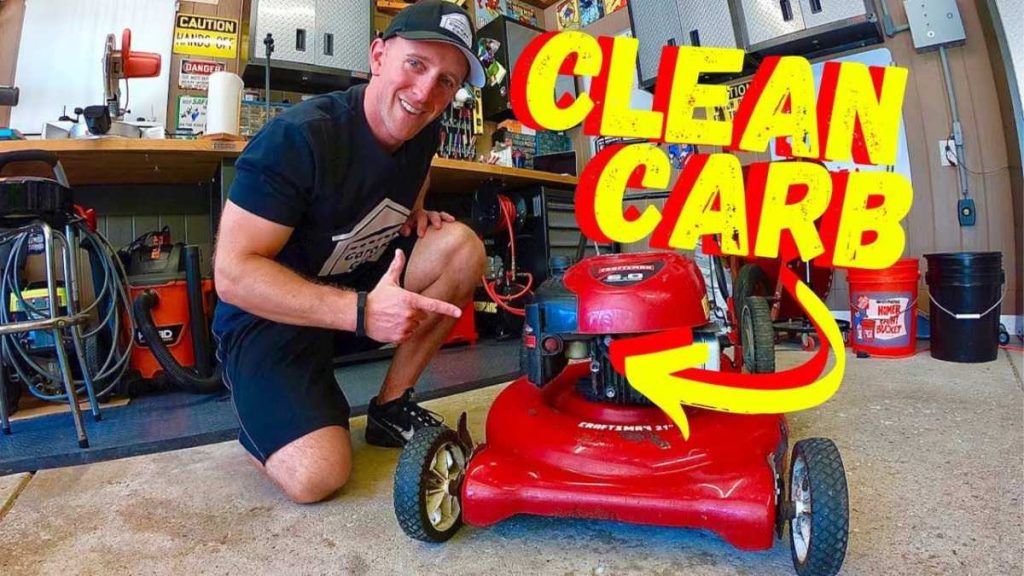
To clean a Craftsman lawn mower carburetor effectively, you’ll want to remove it from the mower, disassemble it carefully, and soak the parts in a carburetor cleaner. Use a brush to scrub away deposits, check for clogs, and reassemble before testing your mower. This simple process can restore your mower’s performance and avoid costly repairs.
If your Craftsman lawn mower isn’t starting smoothly or runs roughly, cleaning the carburetor might be the solution. The process involves removing the carburetor, cleaning all its internal parts with a special cleaner, and ensuring no blockages are left. Regular maintenance can keep your mower running efficiently and extend its lifespan without needing professional help.
If your Craftsman lawn mower isn’t performing as it should, a clogged carburetor could be to blame. Start by removing the carburetor from the engine, then disassemble and soak it in a carburetor cleaner. Scrub away stubborn deposits carefully, reassemble, and test your mower. With a little patience and the right tools, you can quickly restore smooth operation and keep your yard looking neat all season long.

How to Clean Craftsman Lawn Mower Carburetor
Cleaning the carburetor of your Craftsman lawn mower is an important step to ensure it runs smoothly. A dirty carburetor can cause issues like hard starting, stalling, or poor acceleration. Proper cleaning can restore your mower’s performance and extend its lifespan. In this guide, we will walk you through the entire process step-by-step, making it easier to do it yourself.
Understanding the Craftsman Lawn Mower Carburetor
The carburetor is a key part of your mower that mixes air and fuel for the engine. If this mixture is off due to dirt or clogs, your mower won’t run efficiently. Craftsman lawn mowers typically use a simple, diaphragm-type carburetor that can be cleaned with basic tools and supplies. Knowing how it works helps you understand why cleaning it is so important.
Signs the Carburetor Needs Cleaning
- The mower is difficult to start or won’t start at all
- Engine stalls during operation
- Loss of power or inconsistent running
- Black smoke from the exhaust
- Fuel leaks around the carburetor
Tools and Supplies Needed for Cleaning
| Item | Purpose |
|---|---|
| Screwdriver set | Removing the carburetor screws and cover |
| Wrench or socket set | Disconnecting fuel lines and mounting bolts |
| Carburetor cleaner spray | Cleaning internal parts and jets |
| Compressed air | Blowing out debris |
| Small brush or toothbrush | Scrubbing stubborn dirt |
| Replacement gaskets or seals | Ensuring a proper seal after cleaning |
| Safety gloves and goggles | Protection during the process |
Preparation Before Cleaning
Always work in a well-ventilated area to avoid fumes from fuel and cleaning sprays. Disconnect the spark plug wire to prevent accidental starting of the mower. Drain any remaining fuel from the tank to prevent spills and fire hazards. Gathering all tools beforehand saves time and keeps your workspace organized.
Removing the Carburetor
Step-by-step Removal
- Loosen the screws or bolts securing the carburetor to the intake manifold using a screwdriver or wrench.
- Carefully disconnect the fuel line, noting its position for reassembly.
- Remove the linkage or throttle cable gently to avoid damage.
- Take out the carburetor and place it on a clean workspace.
Important Tips for Removal
- Keep track of all screws and small parts.
- Use a container to catch any residual fuel that may spill.
- Take pictures during disassembly to help with reinstallation.
Disassembling the Carburetor
Opening the Carburetor
Carefully remove the carburetor cover. Inside, you’ll see the float bowl, jets, and various small parts. Be gentle to avoid breaking any fragile components. Take note of how parts are arranged for accurate reassembly.
Inspecting Internal Parts
Look for dirt, varnish buildup, or clogged jets. If parts look damaged or heavily worn, consider replacing them. Many times, cleaning with carburetor spray is enough to restore functionality.
Cleaning the Carburetor Components
Using Carburetor Cleaner Spray
Spray thoroughly all accessible parts, including jets, float bowls, and passages. Let the cleaner sit for a few minutes to loosen grime. Use a small brush to scrub stubborn deposits gently. Repeat as needed for thorough cleaning.
Blowing Out Debris with Compressed Air
Use compressed air to blow out all tiny passages, jets, and vents. This step is crucial to remove any remaining dirt or blockages. Be careful not to damage delicate parts during this process.
Cleaning the External Surface
Wipe down the outer parts with a damp cloth or carburetor cleaner spray. Removing external grime improves visibility of the internal components and makes reassembly easier.
Replacing Worn or Damaged Parts
If you find damaged gaskets, seals, or other parts, replace them with new ones. Proper seals prevent leaks and ensure optimal airflow and fuel delivery. Always use manufacturer-approved parts for compatibility and performance.
Reassembling the Carburetor
Putting It All Back Together
Follow your disassembly steps in reverse order. Ensure all screws and bolts are tightened securely but not overtightened, which can crack plastic parts. Verify that all connections are properly seated, especially fuel lines and throttle linkages.
Checking for Leaks
Once reassembled, visually inspect for any fuel leaks. Turn the fuel valve on and gently check for drips around the carburetor. If leaks are present, recheck gasket placement and tighten connections appropriately.
Reinstalling the Carburetor
Attaching the Carburetor to the Mower
Secure the carburetor to the intake manifold with screws or bolts. Reconnect the throttle and choke linkages carefully. Reattach the fuel line, ensuring a tight fit to prevent leaks.
Final Checks and Testing
Reconnect the spark plug wire and add fresh fuel if necessary. Start the mower and observe its performance. Make adjustments to the idle screw or mixture screw if needed, following your mower’s manual instructions. Proper tuning ensures smooth operation.
Tips for Maintaining a Clean Carburetor
- Use fresh, clean fuel to prevent varnish buildup.
- Change the air filter regularly to keep dirt from entering the carburetor.
- Periodically inspect and clean the carburetor as part of routine mower maintenance.
Additional Considerations
If cleaning doesn’t improve your mower’s performance, consider replacing the entire carburetor. Sometimes, internal damage or corrosion makes cleaning ineffective. Consulting a professional mechanic might be necessary for complex issues.
By following these detailed steps, you can efficiently clean your Craftsman lawn mower carburetor and keep your mower running smoothly. Maintenance like this helps prevent future problems and keeps your yard work hassle-free.
HOW TO CLEAN A CARBURETOR ON A CRAFTSMAN 21" LAWN MOWER FOR BEGINNERS
Frequently Asked Questions
What are the initial steps to prepare my Craftsman lawn mower for cleaning the carburetor?
Start by disconnecting the spark plug wire to prevent accidental starting. Then, remove the air filter cover and take out the air filter. Drain the fuel tank or run the mower until it uses up the remaining fuel to avoid leaks. Finally, locate the carburetor, which is typically attached to the intake manifold, and prepare the necessary tools for disassembly.
How can I safely remove the carburetor from my Craftsman lawn mower?
Use a wrench or screwdriver to loosen the clamps and bolts securing the carburetor to the engine. Carefully disconnect any linkage or hoses attached to the carburetor, noting their positions for reassembly. Support the carburetor with one hand as you remove it to prevent dropping and damaging components. Keep track of all screws and parts removed for proper reinstallation.
What cleaning techniques help remove stubborn deposits from the carburetor? –
Soak the carburetor parts in a carburetor cleaner solution for about 15-30 minutes to loosen dirt and varnish. Use a soft brush or toothbrush to scrub away remaining grime, especially inside jets and passages. Use compressed air to blow out tiny holes and passages to ensure all debris is cleared. Avoid using metal tools that might damage fragile parts.
Are there specific areas of the carburetor I should focus on during cleaning?
Yes, pay close attention to the float bowl, jets, and passageways. These areas often accumulate fuel residues and debris that can block airflow or fuel flow, causing engine performance issues. Remove and inspect these components carefully, cleaning them thoroughly, and replace any damaged parts before reassembling.
What steps should I take after cleaning the carburetor before reinstalling it?
Rinse the carburetor with clean water and let it dry completely. Check all parts for wear or damage and replace any faulty components. Reassemble the carburetor carefully, ensuring all screws and hoses are correctly attached. Before starting the mower, fill the fuel tank with fresh fuel, reconnect the spark plug wire, and test the engine for proper operation.
Final Thoughts
Cleaning your Craftsman lawn mower carburetor involves removing it from the mower, disassembling it carefully, and soaking the parts in a carburetor cleaner. Use a brush to remove debris and ensure all passages are clear. Reassemble and reinstall the carburetor, then test your mower for smooth operation. Following these steps will help you understand how to clean craftsman lawn mower carburetor effectively and keep your mower running efficiently. Proper cleaning prevents engine issues and extends the equipment’s lifespan.