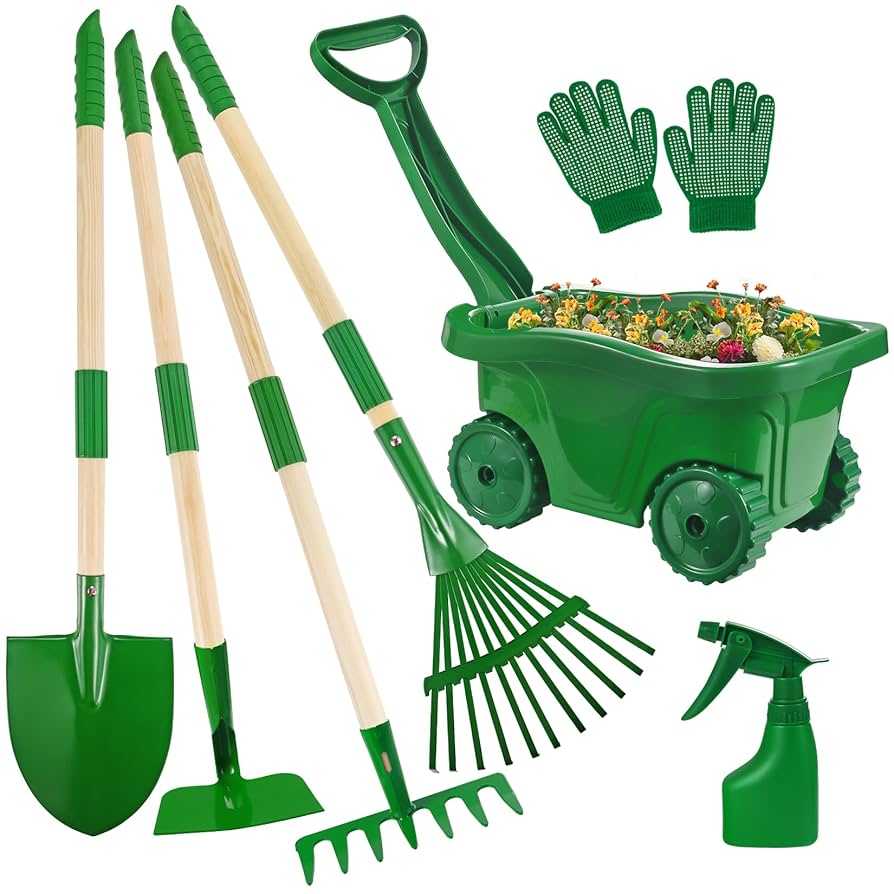
If you’re tired of spending hours raking leaves or struggling with noisy equipment, you might wonder which tool is best for your yard: a leaf blower or a rake. The quick answer is that it depends on your yard size, budget, and personal preference—leaf blowers are great for quick cleanup, especially in larger areas, while rakes are eco-friendly and more budget-friendly for smaller jobs.
When choosing between a leaf blower and a rake, consider the size of your yard, your physical strength, and how much time you want to spend on leaf cleanup. Leaf blowers can make the task faster and easier, but rakes are quieter, cheaper, and better for the environment. Making the right choice can help you maintain your yard efficiently without breaking the bank or tiring yourself out.

How to choose between leaf blower and rake
Understanding the Purpose of Each Tool
A leaf blower and a rake serve the same purpose: clearing leaves and debris from your yard. However, they do this in very different ways. The leaf blower uses air to lift and move leaves quickly, while a rake relies on manual effort to gather them. Knowing how each tool works helps decide which fits your needs better.
Efficiency and Speed
Leaf blowers are generally faster than rakes, especially for large areas. They can clear a lawn in a fraction of the time it takes to rake thoroughly. Raking might be better for smaller yards or when you want more control over where leaves go. Consider the size of your yard when choosing the right tool for quick results.
Physical Effort and Comfort
Raking can be physically demanding, especially if your yard has many leaves or if you have joint issues. A leaf blower reduces physical strain, making yard work easier. Think about your physical condition and preferences—if you dislike heavy manual labor, a leaf blower might be the better option.
Noise Levels and Environmental Impact
Leaf blowers tend to be louder than rakes, which could disturb neighbors or require ear protection. Gas-powered blowers produce more noise and emissions, raising environmental concerns. Electric blowers are quieter and cleaner but may have less power. If noise or environmental impact matters to you, raking could be more appealing.
Cost and Budget Considerations
A good quality rake costs less upfront and requires no fuel or batteries. Leaf blowers are more expensive, especially cordless or gas models, and involve ongoing costs like fuel or batteries. Decide how much you’re willing to spend initially and on maintenance to pick the best tool within your budget.
Maintenance and Storage
Rakes are simple with minimal maintenance—just cleaning and occasional replacement of tines. Leaf blowers may need regular cleaning, battery charging, or fuel refilling, and they require more storage space. If you prefer low-maintenance tools, rakes could be more suitable.
Environmental and Health Factors
Using a leaf blower can contribute to air pollution and noise pollution, which might affect your health and that of others nearby. Raking creates no emissions or noise pollution and provides light exercise. Consider these factors to decide which tool aligns with your eco-friendly goals and health concerns.
Suitability for Different Yard Types and Sizes
Large open lawns are ideal for leaf blowers because they cover ground faster. Smaller, intricate gardens might be better suited for raking, which gives more control. If your yard has many flower beds or obstacles, raking prevents accidental damage.
Storage Space and Portability
Rakes are lightweight, easy to store, and transport. Leaf blowers, depending on their size and type, may be bulkier and harder to store. If your storage space is limited, a rake might be more practical.
Handling and Ease of Use
Operating a rake is straightforward but requires physical effort and technique. Leaf blowers are generally easier to handle but may have a learning curve for different functions. Choose a tool that feels comfortable and easy to control for you.
Additional Features to Consider
Many leaf blowers come with adjustable speed settings, vacuum capabilities, and ergonomic designs. Rakes may have adjustable handles or specialized tines. Decide which features can make yard work more convenient for your needs.
Choosing between a leaf blower and a rake depends on various factors such as yard size, physical ability, environmental concerns, budget, and personal preference. While leaf blowers offer speed and convenience, rakes provide simplicity, affordability, and eco-friendliness. Assess your specific situation and needs to pick the tool that makes yard clean-up easier and more enjoyable.
Should I Use A Rake Or A Leaf Blower? – LearnToDIY360.com
Frequently Asked Questions
What factors should I consider when deciding between using a leaf blower and a rake for yard cleanup?
When choosing between a leaf blower and a rake, consider the size of your yard, the amount of leaves, and your physical ability. For large areas with heavy leaf fall, a leaf blower can save time and effort. If your yard is small or has delicate landscaping, raking offers more control and gentle handling. Additionally, think about noise levels, environmental impact, and storage space for each tool to make a suitable decision.
How does the type of leaves affect the choice between a leaf blower and a rake?
The type and condition of leaves influence the best tool to use. Wet, heavy leaves tend to clog leaf blowers and are easier to gather with a rake, which provides more control. Dry, loose leaves are easily blown away, making a leaf blower more efficient. If your yard has a mix of leaf types, you might prefer using both tools for optimal cleanup and efficiency.
Is it more practical to use a leaf blower or a rake for environmentally conscious gardening?
Raking is generally more environmentally friendly since it produces no emissions and requires no power source. Leaf blowers, especially gas-powered models, emit pollutants and consume fuel. However, electric leaf blowers have a lower environmental impact. Consider your goal of reducing energy consumption and pollution when choosing the best tool for eco-friendly yard maintenance.
How do convenience and physical effort influence the decision to pick between a leaf blower and a rake?
If you seek to reduce physical exertion and complete yard work quickly, a leaf blower offers significant convenience, especially for large or hard-to-reach areas. Raking can be labor-intensive and time-consuming but requires no power source. Choose based on your physical capability, time constraints, and whether you prefer a quick solution or a more hands-on approach.
What should I keep in mind regarding maintenance and storage when choosing between a leaf blower and a rake?
A rake requires minimal maintenance, mainly cleaning and occasional replacement of worn-out tines, and is easy to store. Leaf blowers, especially electric or gas models, need regular maintenance, such as cleaning filters and checking parts, and require sufficient storage space. Consider your ability to maintain the tool and available storage options when making your selection.
Final Thoughts
Choosing between a leaf blower and a rake depends on your yard size and personal preference. Leaf blowers work quickly for large areas, saving time and effort. Rakes provide a quiet, eco-friendly option, ideal for smaller spaces. Consider your physical strength and the frequency of yard cleanup.
To make the best decision, weigh the convenience of a leaf blower against the traditional feel of raking. How to choose between leaf blower and rake ultimately depends on your specific needs and gardening habits.