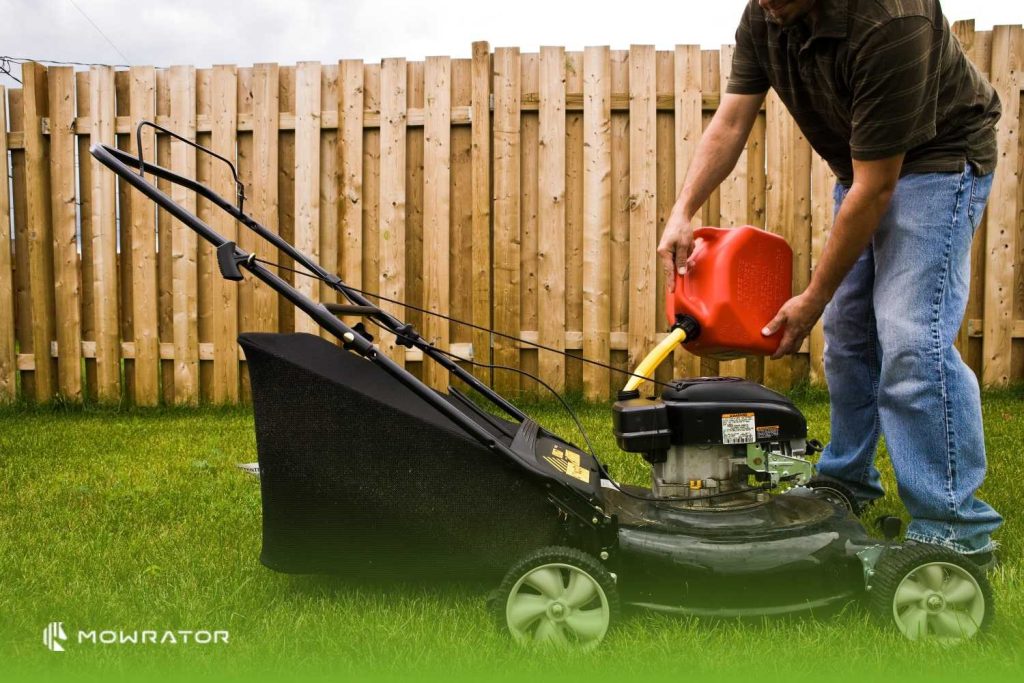
Gas mowers are known for their power and independence from cords, while electric mowers are praised for being quieter and more environmentally friendly. The main difference lies in their fuel sources: gas mowers run on gasoline, offering more power for larger lawns, whereas electric mowers operate on electricity, making them easier to start and maintain. Depending on your lawn size and personal preferences, choosing between the two can significantly impact your mowing experience.
When deciding between gas and electric mowers, consider your lawn’s size, the noise level you can tolerate, and your interest in eco-friendly options. Gas mowers are ideal for big yards and tough grass, while electric mowers are perfect for small to medium lawns and those who value convenience and low noise. Your choice ultimately depends on balancing power, convenience, and environmental impact to find the perfect mower for your needs.

What Is the Difference Between Gas and Electric Mowers
Understanding How Gas and Electric Mowers Work
Gas mowers operate using a small internal combustion engine that runs on gasoline. This engine powers the blades to cut grass and requires manual starting, usually with a pull cord. In contrast, electric mowers use an electric motor powered by a cord or battery, making them quieter and easier to operate.
Power and Performance Comparison
Gas mowers generally deliver more power, making them suitable for large or thick lawns. They can handle tall grass and uneven terrain with ease. Electric mowers, especially corded models, are less powerful but perfect for small to medium-sized lawns with softer grass.
Power Sources and Their Impact
- Gas Mowers: Use internal combustion engines fueled by gasoline, which provides consistent power regardless of battery life.
- Electric Mowers: Use either rechargeable batteries or a power cord, which limits their range but offers ease of use.
Cost and Maintenance
Gas mowers tend to be more expensive upfront due to their complex engines and durable parts. They also require regular maintenance like oil changes, spark plug checks, and air filter replacements. Electric mowers generally cost less initially and require less maintenance, mainly battery care or cord management.
Long-Term Expenses and Upkeep
- Gas Mowers: Maintenance costs include oil, fuel, spark plug, and air filter replacements. They might need repairs if the engine runs into issues.
- Electric Mowers: Maintenance involves battery care, occasional blade sharpening, and simple troubleshooting. They have fewer moving parts, leading to fewer repairs.
Ease of Use and Convenience
Electric mowers are lighter and easier to start, often with push-button ignition. They don’t emit fumes, making them ideal for small spaces or neighborhoods with strict noise regulations. Gas mowers, however, can be heavier and require more effort to start and operate.
Starting and Operating Experience
- Gas Mowers: Require pulling a cord to start. They can be noisy and produce exhaust fumes.
- Electric Mowers: Start with a button or switch, operate quietly, and produce no emissions.
Environmental Impact
Electric mowers are considered more eco-friendly as they produce no emissions during operation. Gas mowers release carbon monoxide, nitrogen oxides, and other pollutants, contributing to air pollution. If sustainability matters, electric mowers offer a greener choice.
Energy Efficiency and Emissions
- Gas Mowers: Burn fossil fuels, emitting greenhouse gases and other pollutants.
- Electric Mowers: Use stored electrical energy, which can come from renewable sources like solar or wind power, reducing environmental footprint.
Flexibility and Range of Use
Gas mowers provide total mobility since they aren’t limited by cords or battery life. This makes them suitable for large properties or areas without easy access to power sources. Electric mowers are more limited in range but are perfect for smaller yards or spaces with easy electrical access.
Range and Mobility Considerations
- Gas Mowers: Can operate anywhere without constraints, ideal for extensive lawns.
- Electric Mowers: Corded models require proximity to power outlets, while battery models depend on battery life, which varies between 30 minutes and a few hours.
Noise Levels and Environmental Comfort
Electric mowers produce significantly less noise than gas models, making them more suitable for early mornings or noise-sensitive neighborhoods. Gas mowers can be quite loud, often over 90 decibels, requiring ear protection.
Impact on Neighborhoods and Personal Comfort
- Gas Mowers: Noisier, causing disturbance and requiring ear protection.
- Electric Mowers: Quieter operation allows for mowing at any time without disturbing neighbors.
Storage and Portability
Electric mowers tend to be lighter and easier to store due to their simpler design. Gas mowers, weighing more, require more space for storage and can be cumbersome to move around.
Storage Tips and Portability Ease
- Gas Mowers: Store in sheds or garages, need more space due to bulk.
- Electric Mowers: Compact and manageable, easier to store in small spaces.
Longevity and Durability
Gas engines are built for long-term use and can last for many years with proper maintenance. Electric motors have fewer parts that wear out, but battery life diminishes over time, requiring replacements after a few years.
Replacement and Lifespan Expectations
- Gas Mowers: Can last 8 to 10 years or more with proper care.
- Electric Mowers: Motor lasts longer but batteries typically need replacement after 3 to 5 years.
Which Is Better for Different Lawn Sizes?
For large yards, gas mowers often provide more power and range without worrying about battery life or cords. Small to medium-sized lawns are ideal for electric mowers, which offer ease of use and minimal maintenance.
Best Choices Based on Lawn Size
- Large Lawns: Gas mowers save time and effort for extensive grass cutting.
- Small to Medium Lawns: Electric mowers are convenient, quiet, and easy to operate.
Summary of Key Features
| Feature | Gas Mowers | Electric Mowers |
|---|---|---|
| Power Source | Gasoline engine | Battery or corded electric motor |
| Cost | Higher initial cost, higher maintenance | Lower initial cost, less maintenance |
| Ease of Use | Heavier, requires manual starting | Lighter, push-button start |
| Environmental Impact | Pollution, emissions | Zero emissions during operation |
| Range and Mobility | Unlimited | Limited by cord or battery life |
| Noise Level | High | Low |
If choosing between gas and electric mowers, consider lawn size, environmental concerns, budget, and convenience. Both types serve different needs, and understanding these differences ensures you pick the right tool for your yard.
Frequently Asked Questions
What are the common environmental impacts of gas and electric mowers?
Gas mowers emit greenhouse gases like carbon dioxide and pollutants that contribute to air pollution. Electric mowers produce no emissions during operation, making them more environmentally friendly. However, the overall impact of electric mowers depends on how the electricity they use is generated.
How does maintenance differ between gas and electric mowers?
Gas mowers require regular oil changes, spark plug replacements, and air filter maintenance. Electric mowers have fewer moving parts and do not need oil or spark plug care, leading to lower maintenance efforts. Charging batteries and cleaning blades are the primary upkeep tasks for electric models.
In terms of operational convenience, what are the main differences?
Electric mowers are typically quieter and start instantly with the push of a button, offering a more convenient and less disruptive mowing experience. Gas mowers may produce more noise and require manual starting procedures, which can be less user-friendly.
How do power sources influence mowing performance?
Gas mowers generally deliver more power, making them suitable for larger or tougher lawns. Electric mowers have sufficient power for most residential lawns but may struggle with thicker grass or uneven terrain, especially if battery charge drops.
What are the cost considerations when choosing between gas and electric mowers?
Electric mowers usually come with a higher upfront cost but lower operating expenses due to no fuel purchases and less maintenance. Gas mowers are often cheaper initially but incur ongoing costs for fuel, oil, and maintenance, which can add up over time.
Final Thoughts
What is the difference between gas and electric mowers? Gas mowers provide more power and better performance on large lawns, but they tend to be louder and require more maintenance. Electric mowers are quieter, easier to operate, and more environmentally friendly, making them ideal for smaller yards. The choice depends on your lawn size, convenience preference, and environmental concerns. In conclusion, understanding these differences helps you choose the right mower for your needs.