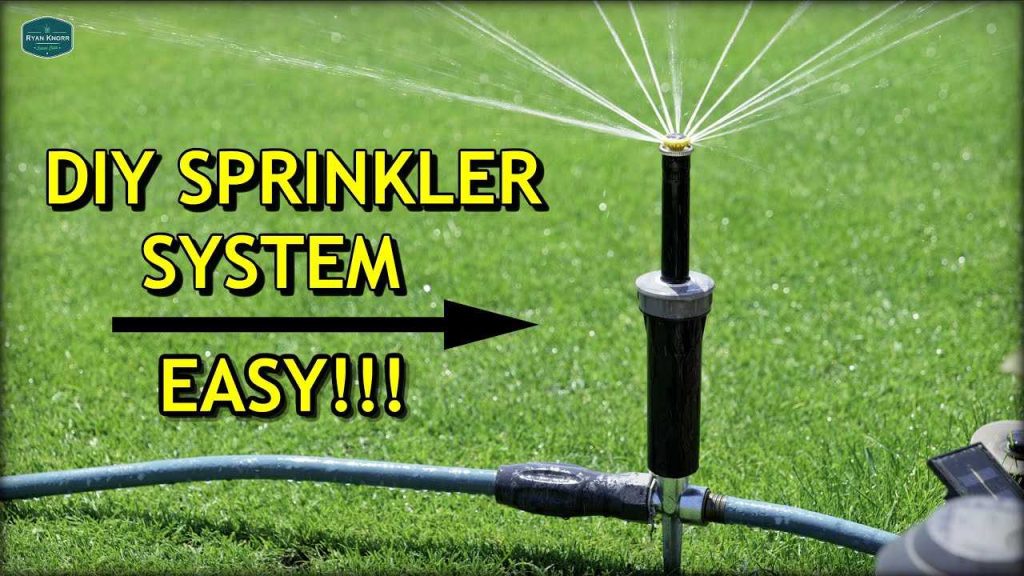
Looking to keep your lawn lush without breaking the bank? Building a DIY sprinkler system is a simple, cost-effective way to ensure your garden gets consistent watering. With some basic tools and a little planning, you can design and install a system tailored to your yard’s needs in just a weekend.
In short, you’ll need to map out your garden, purchase the right sprinkler heads and pipes, and connect everything with a timer for automatic watering. Start by planning your layout, then assemble the parts, and test your system to make sure all areas are covered. It’s a straightforward project that saves money and keeps your garden thriving.
Creating a DIY sprinkler system is easier than you might think. Whether you’re a seasoned gardener or just want a more efficient way to water, building your own system lets you customize the coverage, control watering schedules, and avoid waste. With a bit of patience and some basic tools, you’ll have your garden watering itself in no time.

How to build a DIY sprinkler system
Building a DIY sprinkler system might seem complicated at first, but with the right steps, anyone can do it. This project can save you money and help keep your lawn lush and green all season long. Let’s break down the process into simple parts so you can create an efficient watering system yourself.
Planning your sprinkler setup
Before you begin assembling your sprinkler system, it’s important to plan carefully. Think about the size of your yard and where you want to water. Draw a basic map that shows your garden areas, trees, and flower beds.
Knowing the layout helps you decide where to place sprinklers for even coverage. Measure the total area you want to water to estimate how much pipe and how many sprinklers you’ll need. Planning saves time and prevents mistakes during installation.
Gathering your materials and tools
To build your sprinkler system, collect all necessary materials. Here’s a list of common supplies:
- Indoor or outdoor PVC pipes (diameter of ½ inch or ¾ inch)
- Sprinkler heads suitable for your yard size
- PVC elbows, tees, and connectors
- PVC cement and primer
- Hose connectors and fittings
- Backflow preventer (to protect drinking water)
- Control valves and a timer (optional but helpful)
- Pipe cutters or saw
- Shovel or trenching tools
- Teflon tape for sealing connections
Make sure to get high-quality components, especially for the sprinkler heads and fittings, to ensure a long-lasting system. Having all materials ready before starting helps keep the project smooth.
Designing the pipe layout
Next, sketch out how the pipes will run across your yard. Decide on main lines and branches, similar to the branches of a tree. The main pipe often starts at the water source and runs along the perimeter of your garden.
From there, smaller pipes connect to sprinklers in different zones. Keep pipe runs as direct as possible to reduce water pressure loss. Plan for easy access to control valves and key points for future adjustments or repairs.
Installing the main water line
Start by shutting off your water supply to prevent leaks. Dig a trench from your outdoor spigot or water main to your desired starting point. Lay your main PVC pipe along the trench, making sure to keep it level.
Connect the pipe to the water source using a hose adapter or fitting. Secure connections with primer and PVC cement. Once fixed, backfill the trench carefully, avoiding damage to the pipe.
Connecting secondary pipes and irrigation zones
From the main line, connect smaller pipes to create irrigation zones. Use T-shaped connectors to branch off. Each zone can have its own set of sprinklers controlled independently.
Place stakes or flags to mark where sprinklers will go. Cut sections of pipe to fit the planned layout and connect them securely. Make sure all fittings are sealed tightly to prevent leaks.
Installing sprinkler heads
Choose the right sprinkler heads for your yard size and coverage needs. Pop-up heads work well for lawns, while stationary or stationary rotator heads are good for flower beds.
Insert the sprinkler heads into the pipe fittings, ensuring they sit level with the soil. Test each head to confirm proper spray distance and pattern. Adjust spray arcs if needed by turning screw adjustments on the heads.
Securing and testing your system
Once all sprinklers are in place, turn on the water supply slowly. Check for leaks at every connection. Run each zone to observe coverage and ensure the sprinklers operate as planned.
Make adjustments to spray angles or distances. If you notice uneven watering, reposition sprinklers or modify head spray patterns. Finally, cover exposed pipes with soil and mulch to protect from damage.
Adding a timer and automation
Installing an automatic timer makes watering easier and more consistent. Connect the timer to your system’s control valve, following manufacturer instructions.
Set watering schedules based on your yard’s needs and local climate. Timers prevent overwatering and help conserve water. Some advanced models allow remote control via smartphone app, adding convenience.
Maintaining your sprinkler system
Regular maintenance extends the life of your DIY sprinkler system. Check for clogged or broken sprinkler heads periodically. Clear debris and replace faulty heads as needed.
Inspect connections for leaks and tighten fittings. During the off-season, drain the system or winterize to prevent damage from freezing weather. Keeping your system clean and functional ensures lush, healthy lawns year-round.
Additional tips for a successful DIY sprinkler system
- Use high-quality materials to avoid frequent repairs
- Plan for future expansion by leaving extra pipe or fittings
- Label zones for easy identification and maintenance
- Test your system thoroughly before covering pipes entirely
- Follow safety guidelines when working with tools and materials
By following these steps carefully, you can enjoy a well-designed irrigation system that meets your yard’s watering needs. Building your own sprinkler system requires some effort but is rewarding when you see your garden thrive with just the right amount of water.
How to Install a Sprinkler System | A DIY Guide
Frequently Asked Questions
What tools and materials are necessary to assemble a DIY sprinkler system?
To build a DIY sprinkler system, gather essential tools such as a shovel, pipe cutter, tape measure, and adjustable wrench. You’ll also need materials including PVC pipes, sprinkler heads, connectors, valves, a timer (if you want automation), and a backflow preventer. Having these on hand ensures a smooth setup process and helps you customize the system to fit your yard’s specific needs.
How can I plan the layout of my sprinkler system to ensure even watering?
Start by measuring your yard and marking the areas that need irrigation. Sketch a layout that places sprinkler heads at optimal distances to cover the entire area with minimal overlap. Position sprinkler heads around obstructions such as trees or pathways to avoid dry spots. Use a garden hose to test spray patterns and adjust positions before installation. Proper planning prevents dry patches and promotes efficient water use.
What steps should I follow to connect the sprinkler heads to the main water supply?
Begin by turning off the main water supply. Dig a trench along the planned pipe route and lay out the PVC pipes, connecting them with appropriate fittings. Install shut-off valves at strategic points, and attach the sprinkler heads to the outlets. Secure all connections tightly to prevent leaks. Turn the water back on gradually and test each sprinkler head for proper coverage, making adjustments as needed. Ensuring secure connections minimizes water wastage and system failures.
How can I automate my DIY sprinkler system for regular watering?
To automate the system, install a timer compatible with your water pressure and system size. Connect the timer to your main water supply and set watering schedules according to your needs. Use compatible valves that can be controlled remotely if desired. Properly configuring the timer ensures consistent watering, saves time, and helps maintain a healthy lawn without manual intervention.
What maintenance steps should I take to keep my DIY sprinkler system functioning properly?
Regularly inspect sprinkler heads to check for clogs or damage, and clean or replace them as needed. Check for leaks in pipes and fittings, especially after heavy rainfall or freezing temperatures. Winterize the system in colder months by draining or blowing out the pipes to prevent cracking. Periodically review and adjust the watering schedule based on seasonal changes. Proper maintenance extends the system’s lifespan and ensures optimal watering performance.
Final Thoughts
Building a DIY sprinkler system offers an efficient way to water your garden without extra costs. Start by planning your layout and gathering necessary supplies such as hoses, connectors, and sprinkler heads. Connect the components following your design, ensuring tight seals for water efficiency. Test the system to check for leaks and proper coverage. By following these steps, you can easily build a DIY sprinkler system that saves water and keeps your garden healthy.