Arranging outdoor furniture is key to creating an inviting and functional outdoor living space. This guide will walk you through the process, from assessing your space to choosing the right pieces and placing them strategically. Learn to maximize comfort, enhance aesthetics, and create zones for dining, lounging, and entertaining.
Ready to turn your backyard into a haven of relaxation and entertainment? Arranging outdoor furniture might seem simple, but a little planning goes a long way in creating a space that’s both beautiful and functional. Whether you have a sprawling lawn or a cozy balcony, this guide will help you master the art of outdoor furniture arrangement. We’ll cover everything from understanding your space to placing those final decorative touches, ensuring your outdoor oasis is perfect for enjoying the great outdoors.
Key Takeaways
- Define Your Purpose: Determine how you want to use your outdoor space – for dining, lounging, entertaining, or a combination – to guide your furniture arrangement.
- Assess Your Space: Measure your patio, deck, or yard and consider traffic flow, sunlight, and existing features before selecting furniture.
- Create Zones: Divide larger areas into distinct zones for different activities, using furniture placement and accessories to delineate these spaces.
- Prioritize Flow: Ensure comfortable movement around your furniture by leaving adequate pathways and avoiding blockages.
- Consider Scale and Proportion: Choose furniture that is appropriately sized for your space to avoid it looking too crowded or too sparse.
- Add Comfort and Ambiance: Incorporate elements like cushions, throws, outdoor rugs, and lighting to enhance comfort and create a welcoming atmosphere.
Step 1: Define Your Outdoor Living Goals
Before you even think about picking out a chair, take a moment to consider how you want to use your outdoor space. This is the most crucial first step, as it will dictate the type and amount of furniture you need, and how you should arrange it.
H3: Consider Your Lifestyle
Ask yourself:
- Do you love hosting dinner parties? If so, a dining set should be a priority.
- Do you prefer quiet mornings with a book and a cup of coffee? A comfortable lounge chair or small bistro set might be ideal.
- Are you looking for a space to entertain friends and family with cocktails and conversation? A sectional sofa or a collection of comfortable seating options will be key.
- Do you have children or pets? You’ll want durable, easy-to-clean furniture and clear play areas.
Your answers will help you focus on the furniture that best suits your needs.
H3: Visualize Your Ideal Scenario
Imagine yourself using the space. What activities are you doing? Where are you sitting? What’s the mood you want to create? This visualization will naturally lead you towards a more intentional furniture layout.
Step 2: Assess Your Outdoor Space
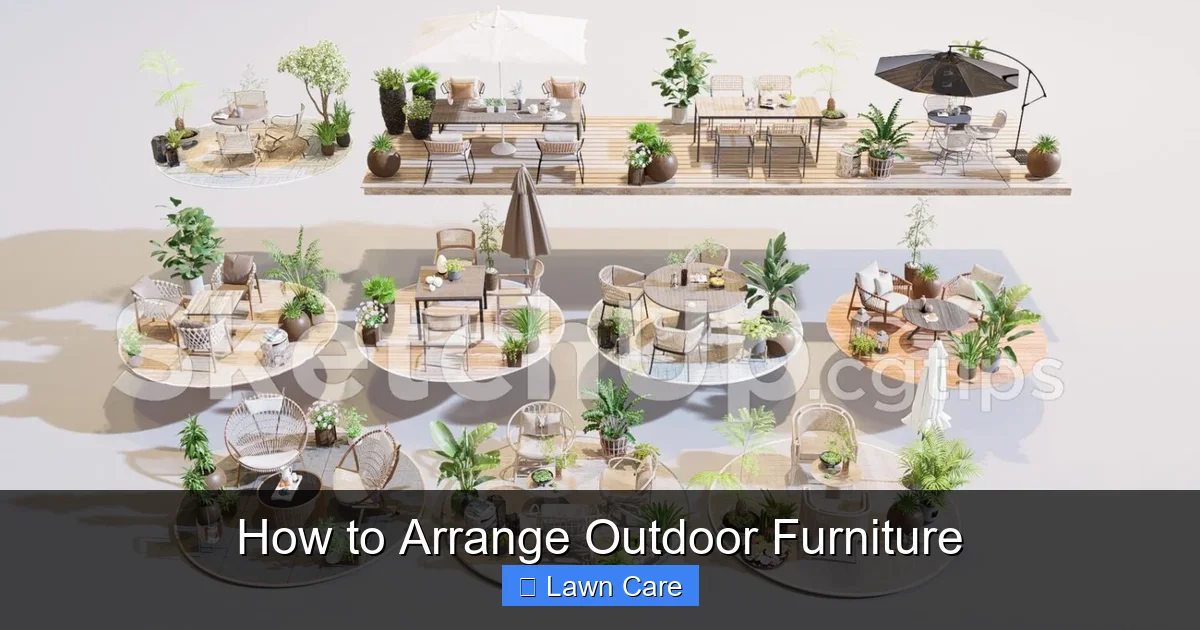
Visual guide about How to Arrange Outdoor Furniture
Image source: sketchup.cgtips.org
Now it’s time to get practical. Understanding the dimensions and features of your outdoor area is essential for effective furniture arrangement.
H3: Measure Your Area
Grab a tape measure and accurately record the dimensions of your patio, deck, or yard space. Note any permanent features like trees, pillars, or built-in planters. This information is vital for selecting furniture that will fit comfortably.
H3: Identify Traffic Flow
Think about how people will move through the space. You need clear pathways for easy access from your house to the seating areas, and between different zones. Avoid placing furniture in a way that creates bottlenecks. A good rule of thumb is to leave at least 3 feet of clearance for main walkways.
H3: Consider Sunlight and Shade
Observe how the sun moves across your space throughout the day. Do you want a dining area that gets morning sun, or a lounge spot that’s shaded in the afternoon? Position your furniture to take advantage of natural light and shade, or plan for umbrellas or pergolas to create shade where needed.
H3: Note Existing Features
Are there any existing elements you want to incorporate or work around? This could be a beautiful view you want to orient seating towards, a built-in grill, an outdoor fireplace, or a garden bed. Your furniture arrangement should complement, not compete with, these features. For example, if you have a stunning view, make sure seating is angled to face it.
Step 3: Choose the Right Furniture
Visual guide about How to Arrange Outdoor Furniture
Image source: i.ytimg.com
The type and scale of your outdoor furniture are critical. It needs to be functional, durable, and aesthetically pleasing.
H3: Scale and Proportion
Select furniture that is proportionate to the size of your space. A massive sectional sofa can overwhelm a small patio, just as a tiny bistro set can look lost on a large deck. Consider the visual weight of the pieces as well.
H3: Functionality and Durability
Outdoor furniture needs to withstand the elements. Opt for materials like teak, aluminum, wicker, or treated wood. Think about the maintenance involved for each material. For cushions, choose weather-resistant fabrics.
H3: Create Zones with Furniture Types
Different furniture pieces naturally lend themselves to different functions.
- Dining Sets: For outdoor meals. Include a table and chairs.
- Lounge Seating: Sofas, sectionals, armchairs, chaise lounges for relaxation.
- Conversation Sets: Smaller seating groups with chairs and a coffee table for intimate chats.
- Bar or Counter Height Sets: For a more casual, social vibe, often used for outdoor kitchens.
Step 4: Plan Your Layout
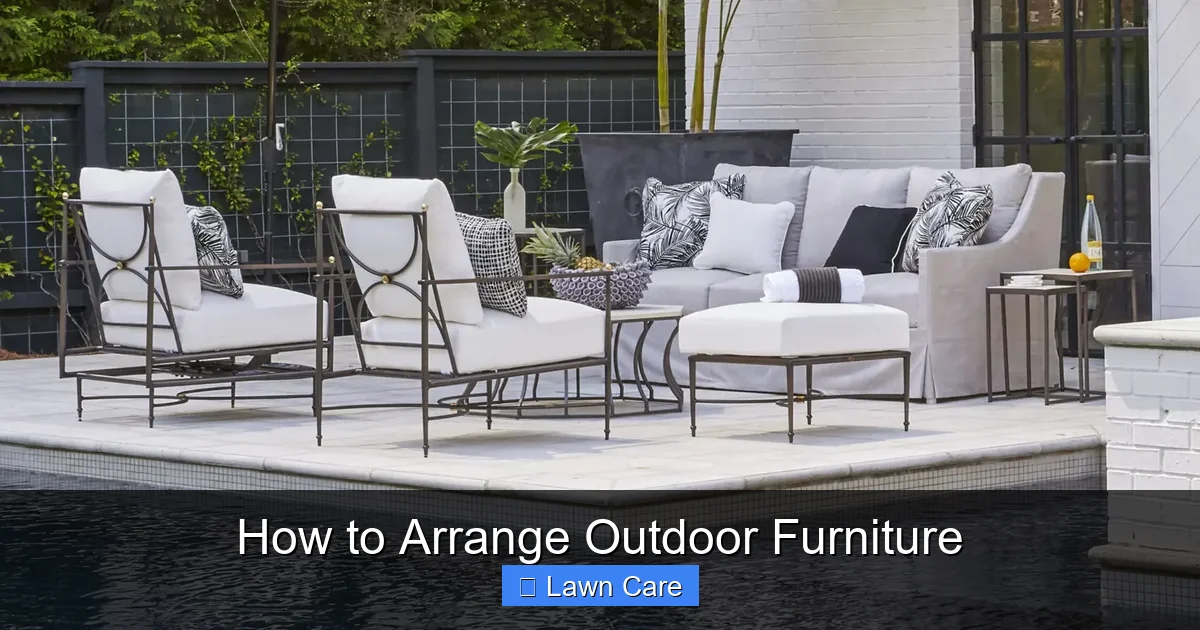
Visual guide about How to Arrange Outdoor Furniture
Image source: seigermansfurniture.com
This is where the arrangement really comes to life. Think about creating distinct areas for different activities.
H3: Create “Rooms” or Zones
Just like inside your home, you can create separate zones outdoors.
- Dining Zone: Place your dining table and chairs in an area that’s easily accessible for serving food. If you have a grill, placing it nearby makes sense.
- Lounge Zone: This is your relaxation hub. Arrange sofas, armchairs, and coffee tables to encourage comfort and conversation.
- Conversation Zone: A smaller cluster of chairs around a fire pit or a small table can create an intimate gathering spot.
- Activity Zone: If you have space, you might designate an area for games or a place for children to play.
H3: Anchor Your Space
If you have a large, open area, an outdoor rug can help to visually define a seating area and anchor the furniture. Place the rug first, and then arrange your main furniture pieces around it. This creates a cohesive look.
H3: Consider the Focal Point
Every well-arranged space has a focal point. This could be an outdoor fireplace, a beautiful view, a water feature, or even a striking piece of art. Arrange your furniture to draw attention to this focal point. For example, a seating area can be arranged to face a fireplace.
H3: Group Furniture for Conversation
Arrange seating pieces so that people can easily talk to each other without shouting. Chairs should be positioned within a comfortable conversational distance – typically 4 to 8 feet apart. Coffee tables and side tables should be within easy reach of the seating.
H3: Leave Adequate Clearance
As mentioned before, ensure there’s enough space to move around comfortably.
- Around Dining Tables: Leave about 3 feet behind chairs so they can be pulled out and people can walk behind them.
- Between Seating Pieces: Allow at least 2-3 feet between different seating groups or between a sofa and a coffee table.
- Along Pathways: Maintain clear walkways of 3 feet or more.
Step 5: Place Your Furniture
Now, let’s get down to the actual placement.
H3: Start with the Largest Pieces
Begin by placing your largest furniture items first, such as a sofa, sectional, or dining table. These will dictate the layout of the rest of the area.
H3: Arrange Seating for Interaction
Position seating so that people face each other. For L-shaped sofas or sectionals, the corner piece can be a great starting point. Ensure that coffee tables are accessible from all main seating positions.
H3: Consider the Dining Experience
If you have a dining set, place it in an area that feels natural for meals. If it’s near the house, it’s easier for serving. If it’s in a picturesque spot, it enhances the dining experience.
H3: Add Smaller Pieces
Once the main pieces are in place, add side tables, ottomans, and accent chairs to fill in the gaps and add functionality. Side tables are perfect for holding drinks or a small lamp.
H3: Test the Flow
Once everything is in place, walk through the space. Does it feel natural? Are there any areas where you feel cramped or have to maneuver awkwardly? Make adjustments as needed. This is where that visualization from Step 1 really pays off.
Step 6: Accessorize and Enhance
The final touches make all the difference in creating a truly inviting outdoor space.
H3: Add Comfort with Textiles
Outdoor cushions, throw pillows, and blankets add color, comfort, and personality. They also make hard furniture feel much more inviting. Choose fabrics that are designed for outdoor use, meaning they are resistant to UV rays and moisture.
H3: Use Outdoor Rugs
As mentioned earlier, an outdoor rug can define a seating area, add color and texture, and provide a soft surface underfoot. Make sure it’s large enough to anchor the main furniture pieces.
H3: Incorporate Lighting
Lighting is key to extending the usability of your outdoor space into the evening.
- String Lights: Create a magical ambiance.
- Lanterns: Provide portable light and can be decorative.
- Torches: Add a dramatic flair and can help with insect repellent.
- Uplighting: Highlight trees or architectural features.
H3: Add Greenery and Plants
Potted plants, hanging baskets, or even a small herb garden can bring life and color to your arrangement. They can also help to define spaces or create a sense of privacy.
H3: Personalize with Decor
Add outdoor-friendly art, sculptures, or decorative items that reflect your style. However, be mindful not to clutter the space.
Troubleshooting Common Outdoor Furniture Arrangement Issues
Even with the best planning, you might encounter a few snags.
H3: My Space Feels Too Crowded
- Solution: Re-evaluate the scale of your furniture. Can you swap out a larger sofa for two smaller chairs? Remove less essential pieces. Ensure pathways are wide enough.
H3: My Space Feels Too Empty or Disconnected
- Solution: Use an outdoor rug to visually connect pieces. Add smaller accent tables or ottomans. Consider adding a few more seating options if space allows. Bring in plants to fill visual gaps.
H3: The Flow is Awkward
- Solution: Identify the main traffic paths and ensure they are unobstructed. Reorient furniture to create clear, logical movement. Sometimes, simply shifting a coffee table or an armchair can make a big difference.
H3: The Seating Isn’t Conducive to Conversation
- Solution: Re-angle chairs so they face each other. Ensure that coffee tables and side tables are within reach. If you have a large space, consider breaking it into smaller conversational groupings.
Conclusion
Arranging outdoor furniture is a rewarding process that transforms a simple yard into a functional and beautiful extension of your home. By carefully considering your needs, your space, and the flow of traffic, you can create an outdoor living area that is perfect for relaxing, entertaining, and making lasting memories. Remember to have fun with it, and don’t be afraid to rearrange as your needs or tastes change. Your perfect outdoor oasis is just a few thoughtful placements away!