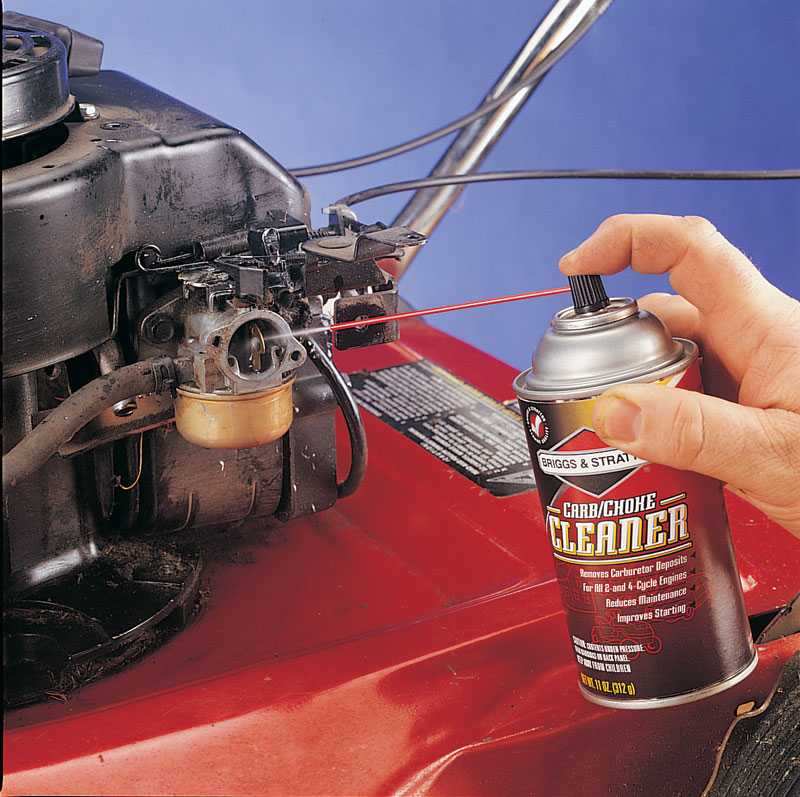
To quickly adjust your Briggs and Stratton lawn mower’s carburetor, start by locating the adjustments screws—usually marked “L” for low speed and “H” for high speed. Turn these screws carefully to fine-tune the air-fuel mixture, ensuring smooth engine operation and optimal performance. Always start with the engine off, then make small adjustments, listening for the smoothest running sound.
Adjusting the carburetor involves balancing the air and fuel mixture for your engine’s ideal performance. Begin with the screws set to their default positions, start the mower, and then tweak the screws bit by bit until the engine runs smoothly without stalling or surging. Proper tuning can improve power, fuel efficiency, and extend the life of your mower.
If your Briggs and Stratton lawn mower isn’t running smoothly, adjusting the carburetor can make a big difference. It’s a simple process that involves tweaking the low and high-speed screws to optimize fuel mixture. By taking your time and making small adjustments, you can restore your mower’s performance without calling a professional. Regular carburetor tuning helps keep your lawn mower running efficiently and saves you from costly repairs down the line.

How to Adjust Carburetor on Briggs and Stratton Lawn Mower
Understanding the Carburetor’s Role in Your Lawn Mower
The carburetor is a key part of your lawn mower’s engine. It mixes air and fuel to create the proper combustion needed for the engine to run smoothly. If your mower is not starting well or runs unevenly, the carburetor might need adjustment.
Signs That Your Carburetor Needs Adjustment
Your lawn mower may require carburetor adjustment if you notice it:
- Difficulty starting or failing to start
- Running rough or stalling
- Having poor acceleration or power
- Using more fuel than usual
Identifying these signs early can help prevent engine damage and keep your mower running efficiently.
Tools Needed for Adjusting the Carburetor
Before starting, gather the necessary tools:
- Screwdriver (flat-head or Phillips, depending on your model)
- Socket wrench set
- Clean cloth or rag
- Carburetor cleaner spray
- Protective gloves
- Eye protection
Having these tools on hand makes the process smoother and safer.
Locating the Carburetor on Your Lawn Mower
The carburetor is typically situated on the side or front of the engine. It is attached to the air filter and fuel line. Consult your mower’s manual for the exact location if you are unsure.
Preparing Your Lawn Mower for Adjustment
Before adjusting:
Make sure the mower is on a flat surface. Turn off the engine and disconnect the spark plug wire to prevent accidental starting. Allow the engine to cool if it has been running.
This safety measure protects you during the process and prevents injuries.
Understanding the Adjusting Screws
Most Briggs and Stratton carburetors have two screws:
- Low-speed (L) screw: controls idle and low RPMs
- High-speed (H) screw: manages full throttle and high RPMs
Some models might also include an idle speed screw, which adjusts how fast the engine idles.
Step-by-Step Guide to Adjusting the Carburetor
Follow these steps for optimal adjustment:
- Start the mower: Allow the engine to warm up for a few minutes.
- Locate the screws: Identify the low and high-speed screws on the carburetor.
- Adjust the idle: Turn the idle screw clockwise until the engine runs smoothly at low RPMs. Then, turn it counterclockwise until the engine just begins to idle rough, then tighten slightly for a smooth idle.
- Adjust the high-speed screw: Slowly turn the high-speed screw clockwise until the engine reaches its maximum speed without hesitation or smoke. Then, turn it counterclockwise until performance drops. Find the balance point where the engine runs smooth and fast.
- Recheck the idle: Fine-tune the idle screw if needed to keep the engine running smoothly at low speed.
Note: Make small adjustments of about a quarter turn at a time and give the engine a few seconds to stabilize between adjustments.
Adjusting for Optimal Performance
Achieving the right carburetor setting ensures your mower performs efficiently. A properly adjusted carburetor:
- Provides smooth engine start and operation
- Reduces fuel consumption
- Prevents engine overheating or stalling
Periodically revisit the adjustments, especially after cleaning or replacing parts.
Cleaning and Maintaining the Carburetor
A clean carburetor is essential for proper adjustment and engine performance. Use carburetor cleaner spray to remove dirt and fuel residue. If your mower runs poorly even after adjustment, cleaning the carburetor thoroughly may be necessary.
Replacing Worn or Faulty Parts
Over time, parts like the needles, gaskets, or jets can wear out. If adjusting does not improve performance, inspect these components and replace them if needed. Consult your mower’s manual for part specifications and replacement procedures.
Tips for Safe and Effective Adjustment
- Always work in a well-ventilated area to avoid inhaling fumes.
- Use protective gloves and goggles for safety.
- Do not over-tighten screws, as it may damage the carburetor.
- Make small adjustments and test the mower after each change.
Common Troubleshooting During Carburetor Adjustment
If your mower still struggles after adjustment:
- Check the fuel filter for clogs.
- Inspect the air filter—clean or replace if dirty.
- Ensure the spark plug is in good condition.
- Verify fuel quality and that fuel lines are clear.
- Consider professional servicing if problems persist.
Additional Related Topics
- How to clean a Briggs and Stratton carburetor
- Signs of carburetor failure in lawn mowers
- Routine maintenance tips for Briggs and Stratton engines
- Replacing parts in your lawn mower’s carburetor
Adjusting your Briggs and Stratton lawn mower carburetor might seem challenging at first, but with patience and proper technique, it becomes an easy task. Regular checks and maintenance help ensure your mower runs smoothly and efficiently each season.
HOW-TO ADJUST THE ENGINE RPMS ON A BRIGGS AND STRATTON LAWNMOWER
Frequently Asked Questions
What are the signs that my Briggs and Stratton lawn mower’s carburetor needs adjusting?
If your mower starts but runs rough, stalls frequently, or experiences difficulty starting, these could indicate carburetor issues. Excessive fuel consumption, black smoke from the exhaust, or uneven engine performance also suggest that the carburetor may require adjustment to optimize fuel mixture and airflow.
How can I safely access and adjust the carburetor on my Briggs and Stratton lawn mower?
First, turn off the mower and disconnect the spark plug wire to prevent accidental starting. Remove the air filter cover and the air filter to expose the carburetor. Use the appropriate screwdriver to locate and turn the adjustment screws—typically the idle and mixture screws—making small adjustments. Always refer to your mower’s manual for specific instructions and torque settings to avoid damaging components.
What is the proper procedure for adjusting the carburetor’s idle speed on a Briggs and Stratton mower?
Start the engine and let it warm up for several minutes. Locate the idle speed screw, usually marked or specified in the manual. Turn the screw clockwise to increase the engine RPM or counterclockwise to decrease. Adjust until the engine runs smoothly without excessive noise or vibration. Use a tachometer if necessary to set the RPM to the manufacturer’s recommended level.
How do I fine-tune the mixture screw on a Briggs and Stratton carburetor?
With the engine running at idle, slowly turn the mixture screw clockwise until you encounter resistance, then back it out about one to two turns. Refine the adjustment by turning the screw slightly in either direction to achieve a smooth, stable idle. Aim for a balance where the engine runs steadily without sputtering or stalling, ensuring optimal fuel mixture for efficient operation.
Are there common mistakes to avoid when adjusting the carburetor on my lawn mower?
Yes. Avoid overtightening the adjustment screws, as this can damage the carburetor. Do not turn screws excessively or force them beyond their stops. Remember to make small adjustments and test the engine after each change. Additionally, always work in a well-ventilated area and disconnect the spark plug before making any adjustments to prevent accidental starting or injury.
Final Thoughts
To adjust the carburetor on a Briggs and Stratton lawn mower, start by locating the adjustment screws. Turn the screws slowly to set the engine to an optimal idle and high-speed setting. Test the mower after each adjustment to ensure smooth performance. Proper tuning helps your mower run efficiently and extends its lifespan.