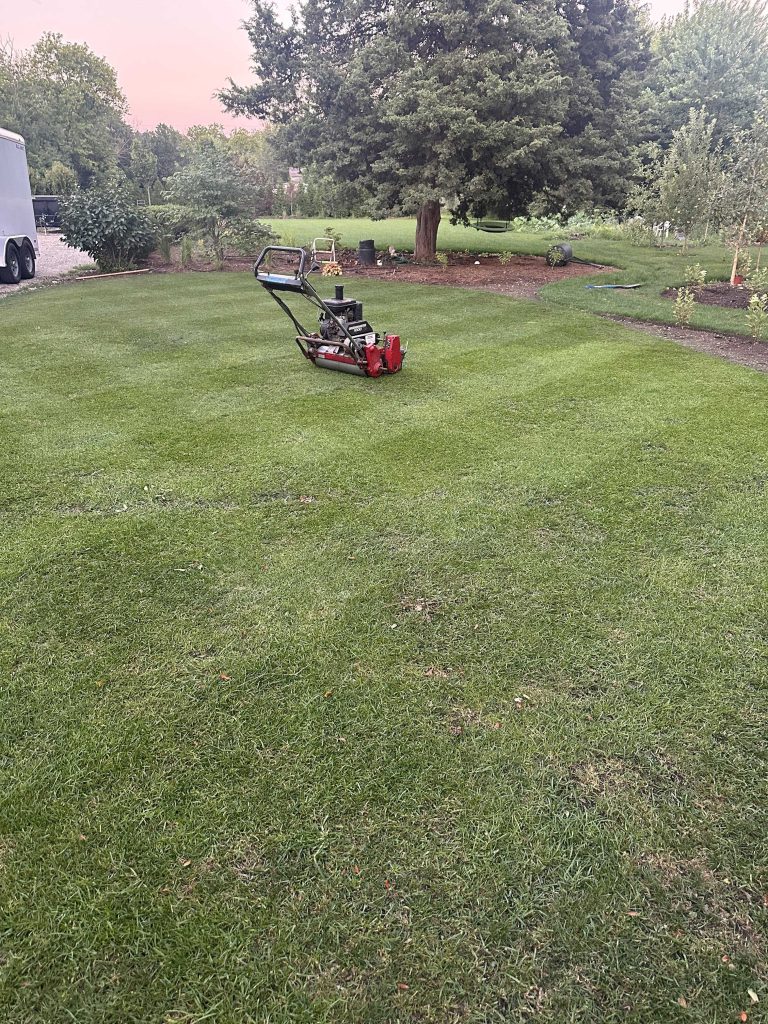
For a lush, healthy Kentucky Bluegrass lawn, aim to cut it to about 2.5 to 3.5 inches tall. Keeping it within this range encourages strong root growth and helps prevent weeds from taking hold. The right mowing height depends on factors like the season and your grass’s overall health, but generally, maintaining this height provides a vibrant, resilient turf that looks great and stays healthy.
When it comes to Kentucky Bluegrass, cutting height is crucial for its overall health and appearance. Cutting it too short can stress the grass, making it vulnerable to drought and pests, while cutting it too high may lead to thatch buildup and disease. The sweet spot—around 2.5 to 3.5 inches—not only supports strong root development but also helps your lawn withstand the elements and stay beautiful all season long. Proper mowing practices play a vital role in maintaining a dense, green, and resilient Kentucky Bluegrass lawn.

How Tall Should You Cut Kentucky Bluegrass?
Understanding the Ideal Cutting Height for Kentucky Bluegrass
Kentucky bluegrass is a popular choice for lawns because of its lush, soft appearance. To keep it healthy and vibrant, knowing the right cutting height is essential. Cutting too short can weaken the grass, while cutting too tall might make your lawn look unkempt. The recommended height generally falls between 1.5 and 2.5 inches, but factors like climate and lawn usage influence the exact setting. Staying within this range encourages deep root growth and improves drought tolerance.
Why Height Matters for Kentucky Bluegrass Health
Maintaining the proper height helps the grass develop a strong root system. Well-trimmed grass at the right height shades the ground, reducing weed growth and preventing soil erosion. It also minimizes stress on the grass during hot weather and helps it recover quickly from traffic or foot traffic. Cutting too low exposes the crown of the plant, risking disease and damage, while leaving it too tall can promote thatch buildup.
Factors Influencing the Best Cutting Height
Several elements impact how tall you should cut Kentucky bluegrass, including climate, soil type, and lawn usage.
Climate Conditions
In cooler climates, a height of approximately 2 inches is ideal for preventing disease and maintaining color. Hotter regions benefit from slightly taller grass, around 2.25 inches, which helps conserve moisture.
Soil Type and Fertility
Fertile soil promotes strong growth, allowing you to cut lower without harming the grass. Less fertile soil might require a slightly taller cut to protect the roots and overall health.
Usage and Traffic
If your lawn experiences heavy foot traffic or recreation, keeping it on the taller side, around 2.25 inches, offers more resilience. For ornamental lawns with less activity, maintaining a height closer to 1.5 inches can look tidy and neat.
How to Properly Mow Kentucky Bluegrass
Proper mowing techniques are just as important as setting the right height. Always use sharp mower blades to prevent tearing the grass and ensure a clean cut.
Frequency of Mowing
Mow regularly, about once every week or ten days, depending on the growth rate. During rapid growth periods in spring and fall, more frequent mowing keeps the lawn healthy and within the recommended height.
Adjusting Mower Height
Adjust your mower to the desired height before each cut. Make sure to remove no more than one-third of the grass height at a time to avoid stressing the grass.
Benefits of Maintaining Correct Cut Height
Keeping Kentucky bluegrass at the right height offers multiple advantages.
- Fosters Deep Roots: Taller grass encourages roots to grow downward, making the lawn more drought-tolerant.
- Reduces Weed Growth: A dense, healthy lawn shades out weeds effectively.
- Prevents Thatch Buildup: Proper mowing minimizes thatch, which can harbor pests and diseases.
- Improves Overall Lawn Appearance: A uniform cut makes the lawn look well-maintained and inviting.
Seasonal Adjustments for Cutting Height
Adjusting your mowing height according to the season helps your Kentucky bluegrass stay healthy year-round.
Spring
In spring, as the grass starts growing rapidly, set the mower blades to around 2 inches to promote strong growth and prevent disease.
Summer
During hot, dry months, raising the blades to about 2.25 inches helps conserve moisture and reduces stress on the grass.
Fall
In fall, lowering the height slightly to 1.75 inches prepares the lawn for winter, providing insulation and reducing the risk of snow mold.
Winter
If the area experiences snow, avoid mowing altogether, but if you must, cutting at 2 inches keeps the grass ready for the next growing season.
Common Mistakes to Avoid When Cutting Kentucky Bluegrass
Knowing what not to do is just as important as knowing the correct height.
Cutting Too Short
Shaving the grass down to less than 1.5 inches can weaken roots and increase vulnerability to pests and diseases.
Ignoring Regular Mowing
Irregular mowing leads to uneven growth and can make your lawn look messy. It also stresses the grass and hinders healthy development.
Using Dull Blades
Dull mower blades tear grass instead of cutting it cleanly, which can lead to disease and a ragged appearance.
Tools and Equipment for Proper Mowing
To reach the ideal cutting height, use quality equipment suited for your lawn size.
Push Mowers
Ideal for small to medium lawns, adjustable mowers allow easy height changes.
Riding Mowers and Zero-turns
Best for large properties, these machines come with adjustable decks to set the proper height.
String Trimmers and Edgers
Use for detailing and ensuring clean edges, complementing the mowing process.
Additional Lawn Care Tips for Kentucky Bluegrass
Height maintenance is just part of overall lawn care.
Proper Watering
Water deeply and infrequently to encourage deep rooting. Avoid overwatering, which can lead to disease.
Fertilization
Apply balanced fertilizer in early spring and fall to promote strong growth at the optimal height.
Aeration and Overseeding
Aerate annually to relieve soil compaction and overseed to fill in thin areas for a dense lawn.
Related Topics
Explore other essential lawn topics such as soil testing, pest control, and disease prevention to keep your Kentucky bluegrass thriving. Understanding how these factors interact with mowing height can greatly improve your lawn care practices.
Maintaining the correct height for Kentucky bluegrass is a simple yet vital step in achieving a healthy, attractive lawn. Regular mowing, combined with proper watering, fertilization, and seasonal adjustments, ensures your grass remains lush and vibrant for years to come.
Kentucky Bluegrass Pros and Cons
Frequently Asked Questions
What is the recommended mowing height for Kentucky bluegrass during its active growing season?
During the peak growing season, set your mower to a height of about 2.5 to 3 inches. This height encourages healthy root development, helps the grass resist drought, and promotes dense turf coverage. Maintaining this height ensures the grass remains vigorous and less susceptible to weeds and pests.
How does the mowing height affect the overall health of Kentucky bluegrass?
Keeping Kentucky bluegrass at an appropriate height supports strong root systems and improves drought tolerance. Mowing too short can stress the grass and make it more vulnerable to diseases, while mowing too high can cause thatch buildup and reduce turf density. A balanced cutting height helps sustain a healthy, lush lawn.
Should I adjust the mowing height during different seasons for Kentucky bluegrass?
Yes, adjusting the mowing height based on the season benefits Kentucky bluegrass. In cooler months, raise the mower slightly to protect the grass from cold stress, typically around 3 inches. During warmer months, maintaining a height of about 2.5 inches helps the grass stay cool and resilient. These adjustments promote healthier growth throughout the year.
What are the consequences of cutting Kentucky bluegrass too low?
Cutting Kentucky bluegrass too short can weaken the turf by stressing the grass, exposing the soil to excessive heat, and increasing the risk of weed invasion. Short cutting also reduces the grass’s ability to photosynthesize efficiently, which can lead to thinning and patchy areas in the lawn.
How often should I mow Kentucky bluegrass to maintain the proper height?
Generally, you should mow Kentucky bluegrass once a week during peak growing periods. This regular mowing helps keep the grass at the desired height and prevents overgrowth. Always follow the rule of removing no more than one-third of the grass blade height at a time to avoid stressing the plants.
Final Thoughts
The optimal height for cutting Kentucky bluegrass is typically 2.5 to 3.5 inches. Cutting at this height encourages healthy roots and thick turf.
Avoid mowing too short, which can weaken the grass and make it vulnerable to pests and diseases. Regularly mowing within the recommended range keeps the lawn lush and vibrant.
In conclusion, how tall should you cut Kentucky bluegrass? Keeping it within the 2.5 to 3.5-inch range promotes a dense and healthy lawn, ensuring it stays green and resilient.