
Wondering how soon you can plant grass seed after using Roundup? This guide breaks down the crucial waiting periods and essential steps for a successful lawn renovation. Timing is everything when combining weed control with reseeding. Follow our expert advice to ensure your new grass thrives.
How Soon Can You Plant Grass Seed After Using Roundup
Dealing with stubborn weeds can be frustrating, and Roundup is often the go-to solution for many homeowners. But what happens when you want to replace those weeds with a lush, green lawn? The question of “how soon can you plant grass seed after using Roundup?” is a common one, and the answer isn’t always a simple number. It involves understanding how the herbicide works and the steps needed to prepare your soil for new growth.
This comprehensive guide will walk you through everything you need to know. We’ll explain the science behind Roundup’s effect on your soil, detail the recommended waiting periods, and provide step-by-step instructions to ensure your new grass seed has the best chance to thrive. By following these guidelines, you can effectively eliminate weeds and establish a beautiful, healthy lawn.
Key Takeaways
- Roundup’s active ingredient, glyphosate, needs time to break down in the soil before new grass seed can germinate successfully.
- The standard waiting period for most Roundup formulations is 24 hours to 7 days, but this can vary significantly.
- Always check the specific product label for the most accurate waiting time, as formulations differ.
- Soil conditions and environmental factors can influence how quickly Roundup breaks down.
- Preparing the soil properly after application is critical for optimal seed germination and establishment.
- Choosing the right grass seed and the correct planting season are vital for a healthy new lawn.
Understanding How Roundup Works and Its Impact on Soil
Before we dive into timing, it’s important to understand what Roundup is and how it affects your lawn. Roundup is a brand of herbicide that primarily uses glyphosate as its active ingredient. Glyphosate is a non-selective, systemic herbicide, meaning it kills most types of plants it comes into contact with by disrupting a crucial enzyme found only in plants.
The “systemic” nature means it’s absorbed by the leaves and then travels throughout the entire plant, including the roots, ensuring a thorough kill. This is why it’s so effective at eradicating weeds. However, this effectiveness also raises concerns about planting new grass seed.
Glyphosate’s Breakdown in Soil
One of the key factors determining when you can replant is how quickly glyphosate breaks down in the soil. Fortunately, glyphosate is generally considered to have a relatively short persistence in the environment. It breaks down through microbial action in the soil and can also be deactivated by certain soil components.
The speed of this breakdown is influenced by several factors:
- Microbial Activity: Healthy soil with abundant microorganisms will break down glyphosate faster.
- Soil Type: Clay soils can bind glyphosate, slowing its breakdown, while sandy soils may allow it to leach out more quickly.
- Moisture Levels: Adequate moisture is crucial for microbial activity, so very dry conditions can slow down the process.
- Sunlight: While glyphosate is primarily broken down by microbes, UV light can also contribute to its degradation on surfaces.
- Temperature: Warmer soil temperatures generally lead to faster microbial activity and thus quicker breakdown.
Because of these variables, there isn’t a single, universally agreed-upon waiting time. However, manufacturers and horticultural experts provide guidelines to ensure success.
The Crucial Waiting Period: How Long to Wait
Visual guide about How Soon Can You Plant Grass Seed After Using Roundup
Image source: obsessedlawn.com
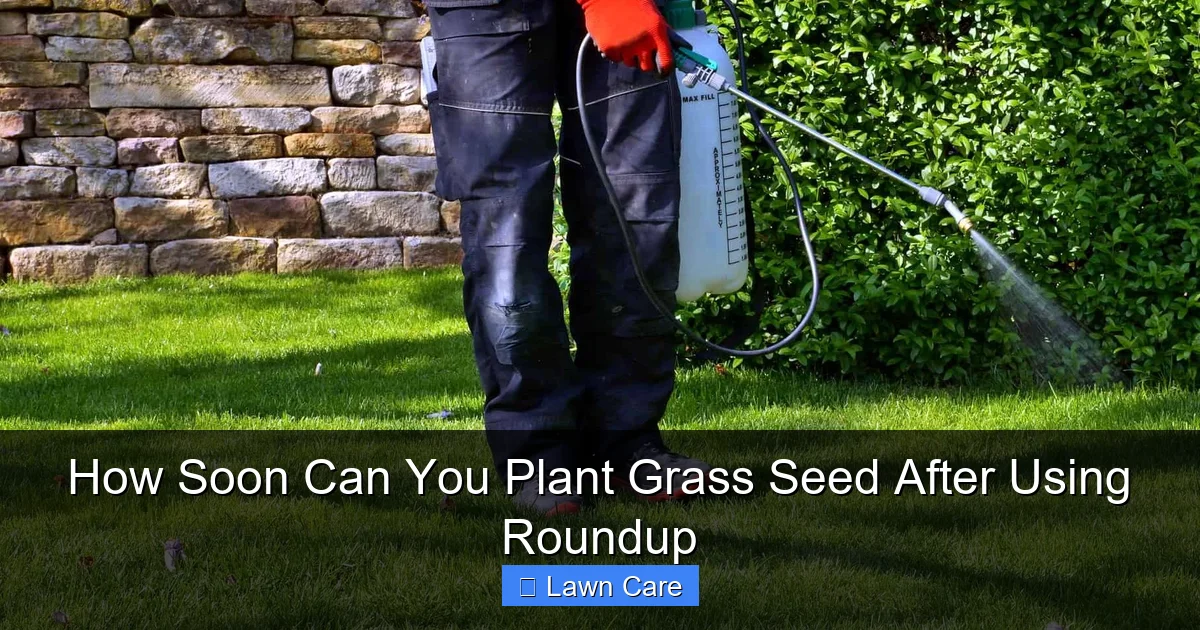
This is the core question for many homeowners. The duration you need to wait between applying Roundup and planting grass seed is critical. Planting too soon can result in the herbicide inhibiting the germination of your new grass seed, leading to bare patches and a failed reseeding effort.
General Guidelines and Product Labels
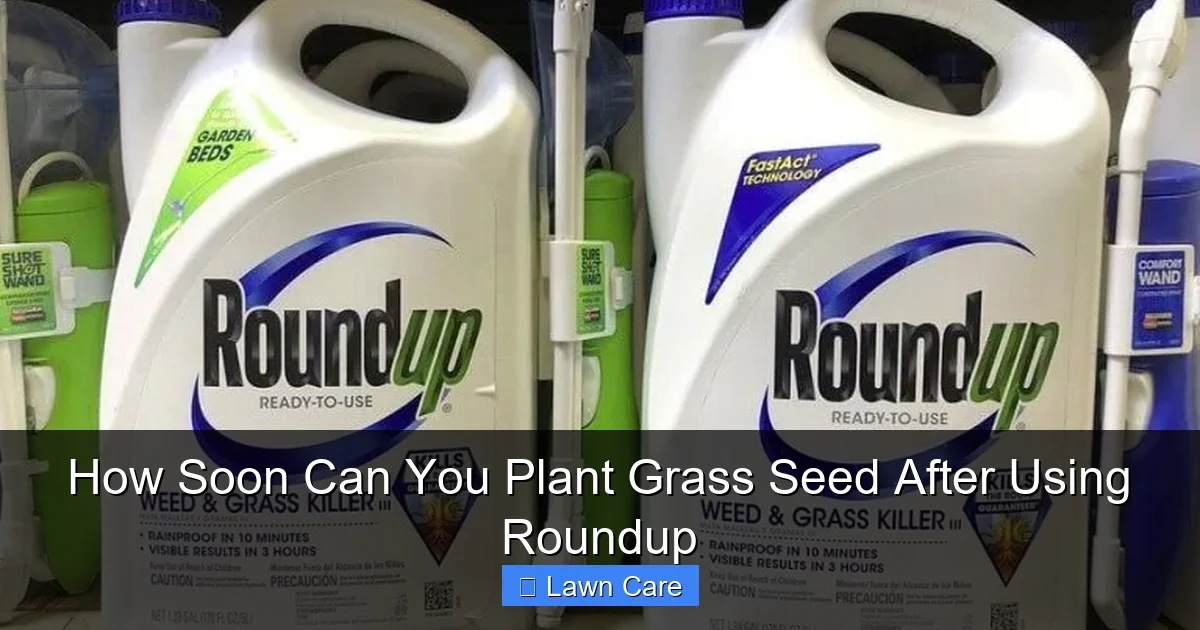
The most important rule of thumb is to **always read and follow the specific instructions on the Roundup product label you are using.** Different formulations may have slightly different active ingredients or concentrations, which can affect the recommended waiting time.
However, here are some general guidelines:
- Short-Waiting Formulations: Some newer formulations of Roundup are designed for quick breakdown. For these, you might be able to plant grass seed as little as 24 hours after application.
- Standard Formulations: For most common Roundup products containing glyphosate, a waiting period of 1 to 3 days is often recommended. This allows the herbicide to fully translocate within the weeds and begin to break down.
- Extended Waiting Periods: In some cases, particularly if you have very poor soil conditions or are concerned about residual effects, waiting up to 7 days might be advised.
It’s essential to understand that these are general guidelines. The label is the definitive source of information for your specific product.
Why a Waiting Period is Necessary
Even though Roundup is designed to kill weeds, its active ingredient, glyphosate, can affect newly germinating grass seeds. While grass seeds don’t have the same complex enzyme system as mature plants, newly developing roots and shoots can still be susceptible to the herbicide’s effects if present in the soil at high enough concentrations.
Allowing the recommended waiting period ensures that:
- The herbicide has sufficiently broken down in the soil.
- The concentration of glyphosate is no longer at a level that will inhibit seed germination or harm young seedlings.
- The soil is ready to support the healthy growth of your new grass.
Factors Influencing the Waiting Time
As mentioned earlier, several factors can influence how quickly Roundup breaks down. If you’ve applied Roundup to a large area or are in a region with less-than-ideal soil conditions for breakdown, erring on the side of a longer waiting period is always a safer bet. For instance, if you’re planting in a compacted or very dry soil, it might take longer for the herbicide to become inactive.
Preparing the Soil for Seeding After Roundup Application
Visual guide about How Soon Can You Plant Grass Seed After Using Roundup
Image source: easiergardening.com
Simply waiting the recommended time isn’t always enough. Proper soil preparation after the weeds have died and before you plant your seed is crucial for a successful lawn. This preparation stage helps ensure your new grass can establish a strong root system.
Step 1: Wait for the Weeds to Die
This might seem obvious, but it’s a critical first step. Roundup doesn’t kill weeds instantly. You’ll need to wait until the target weeds have completely withered and died. This can take anywhere from a few days to a couple of weeks, depending on the type of weed and environmental conditions.
Step 2: Remove the Dead Weeds
Once the weeds are dead, they need to be removed. This prevents them from decaying and potentially releasing any lingering herbicide residue back into the soil in a way that could affect new seeds. It also clears the area for better seed-to-soil contact.
How to Remove Dead Weeds
- Raking: For most dead weeds, a stiff garden rake is sufficient. Gently rake over the area to loosen and gather the dead plant material.
- Pulling: For larger or more stubborn dead weeds, you might need to pull them out by hand. Ensure you get as much of the root as possible.
- Bagging: Collect all the dead plant material and dispose of it properly. Do not compost weed material that has been treated with herbicide, as it can contaminate your compost.
Step 3: Assess and Amend the Soil
After removing the dead weeds, it’s time to assess your soil. Roundup kills plants, but it doesn’t inherently improve soil quality. In fact, the dead plant matter might have temporarily covered the soil, leading to compaction.
Soil Testing
Consider getting a soil test. This will tell you about your soil’s pH, nutrient levels, and organic matter content. Knowing these details will help you make targeted improvements.
Amending the Soil
- Aeration: If your soil is compacted, aerating it is highly beneficial. This creates small holes, allowing air, water, and nutrients to penetrate the soil, which is vital for new root growth.
- Adding Organic Matter: Incorporating compost or other organic matter improves soil structure, drainage, and fertility. This creates a welcoming environment for grass seed.
- Adjusting pH: If your soil test indicates an improper pH, you’ll need to amend it. Most grass types prefer a slightly acidic to neutral pH (6.0-7.0). Lime is used to raise pH (make it less acidic), and sulfur is used to lower pH (make it less alkaline).
Work amendments into the top 3-6 inches of soil. This is crucial for establishing deep, healthy roots.
Step 4: Ensure Good Seed-to-Soil Contact
This is perhaps the most overlooked but essential step for successful seeding. Grass seed needs to be in direct contact with the soil to germinate. Dead weeds, debris, or poorly tilled soil can prevent this.
Methods for Improving Seed-to-Soil Contact
- Light Tilling: After amending, lightly till the soil surface to create a fine, loose texture. Avoid deep tilling, which can bring weed seeds to the surface.
- Using a Rake: A garden rake can be used to smooth the surface and create small furrows or divots where the seed can settle.
- Rolling (Optional but Recommended): After sowing the seed, lightly rolling the area with a lawn roller can press the seed into the soil surface, ensuring good contact. Alternatively, you can lightly drag a rake over the seeded area.
Choosing the Right Grass Seed and Planting Time
Visual guide about How Soon Can You Plant Grass Seed After Using Roundup
Image source: insightweeds.com
Once your soil is prepared, the next logical steps involve selecting the right grass seed and ensuring you’re planting at the optimal time of year.
Selecting Your Grass Seed
The best type of grass seed for your lawn depends on your climate, soil type, intended use of the lawn, and desired aesthetic.
- Cool-Season Grasses: These thrive in cooler climates and include fescues, ryegrass, and Kentucky bluegrass. They are typically best planted in the fall or early spring.
- Warm-Season Grasses: These are suited for warmer climates and include Bermuda grass, Zoysia grass, and centipede grass. They are generally planted in late spring or early summer.
For specific regional advice, consider resources like guides on how to plant Bermuda grass seed in Texas or information on how to plant rye grass seed if that’s your choice.
Timing Your Seeding
The timing of your grass seed planting is as crucial as the waiting period after Roundup. Planting during the right season ensures that the new grass has favorable temperatures and moisture conditions for germination and establishment.
- Fall: For cool-season grasses, fall is often the ideal time. The soil is still warm from summer, but the air temperatures are cooling, and there’s typically good moisture. This allows the grass to establish a strong root system before winter. Always check how late you can plant grass seed in the fall to maximize success.
- Spring: Spring is another good time for cool-season grasses, but you need to be mindful of the last frost date and the onset of summer heat. Planting too late in spring can stress young grass.
- Late Spring/Early Summer: This is the prime time for warm-season grasses. They need warm soil temperatures to germinate and grow vigorously. Be aware of when you can plant Bermuda grass in the summer if your climate dictates.
Avoid planting grass seed during the hottest part of summer or when temperatures are consistently below freezing. For instance, understanding how cold is too cold to plant grass seed is important for both seasons.
Post-Seeding Care: Watering and Maintenance
Once your grass seed is in the ground, the work isn’t over. Proper watering and ongoing care are essential for encouraging germination and establishing a healthy, resilient lawn.
Watering New Grass Seed
This is arguably the most critical aspect of post-seeding care.
- Keep the Seedbed Consistently Moist: For the first 1-2 weeks, the top layer of soil where the seeds are located must be kept consistently moist, but not waterlogged. This often means watering lightly multiple times a day, especially in warm or windy conditions.
- Reduce Watering Frequency as Grass Grows: As seedlings emerge and grow taller (around 1 inch), you can gradually reduce the watering frequency to deeper, less frequent watering. This encourages roots to grow deeper into the soil.
- Avoid Heavy Watering: Heavy watering can wash away the seeds, creating bare spots.
Refer to guides on how often you water grass seed for more detailed recommendations.
Mowing New Grass
Wait until the new grass reaches about one-third taller than your mower’s lowest setting (typically around 3-4 inches for most grasses) before the first mowing.
- Mow with a Sharp Blade: A sharp mower blade ensures a clean cut, preventing damage to the tender new grass.
- Never Remove More Than One-Third of the Blade: This is a golden rule for mowing any grass, but especially important for new seedlings.
- Leave Grass Clippings: Unless the clippings are excessively clumpy, leaving them on the lawn provides beneficial nutrients.
Understanding how low you can cut Bermuda grass is important for its long-term health, but avoid cutting new seedlings too short.
Troubleshooting Common Issues
Even with the best planning, you might encounter issues. Here are a few common problems and how to address them:
Issue: Grass Seed Isn’t Germinating
- Possible Cause: Seed was planted too soon after Roundup application, or residual herbicide is still present.
- Solution: If you suspect herbicide is the issue, you may need to re-prepare the soil and reseed. For future applications, ensure you’ve adhered to the correct waiting period and followed all preparation steps. Also, check the viability of your seed.
- Possible Cause: Lack of moisture.
- Solution: Ensure the seedbed remains consistently moist.
- Possible Cause: Poor seed-to-soil contact.
- Solution: Ensure the seed is pressed into the soil.
Issue: New Grass is Stunted or Yellowing
- Possible Cause: Residual herbicide in the soil.
- Solution: This indicates you may have planted too soon. Monitor the grass; in many cases, it will eventually overcome minor herbicide exposure. If severe, you might need to reseed after waiting longer.
- Possible Cause: Nutrient deficiency or improper pH.
- Solution: Conduct a soil test and amend accordingly.
Issue: Weeds are Growing Faster Than Grass
- Possible Cause: Weed seeds were already present in the soil or were brought in by wind or equipment.
- Solution: This is a common challenge. Continue to mow your new grass at the recommended height, which can help stress and outcompete some weeds. Hand-pulling is effective for spot treatment. For persistent weed issues, consider a lawn renovation strategy that involves a stronger pre-emergent or a different approach to weed control.
Conclusion
Successfully planting grass seed after using Roundup is absolutely achievable with the right knowledge and approach. The key lies in understanding the herbicide’s properties, strictly adhering to recommended waiting periods, and diligently preparing your soil. While some newer Roundup formulations allow for rapid reseeding, always prioritize the product label’s instructions.
By waiting patiently, removing dead vegetation, amending your soil, and ensuring excellent seed-to-soil contact, you create an environment where your new grass seed can flourish. Coupled with proper timing for seeding and attentive post-seeding care, especially consistent moisture, you’ll be well on your way to a beautiful, weed-free lawn. Remember, a little extra effort in the preparation phase leads to a significantly more rewarding outcome.